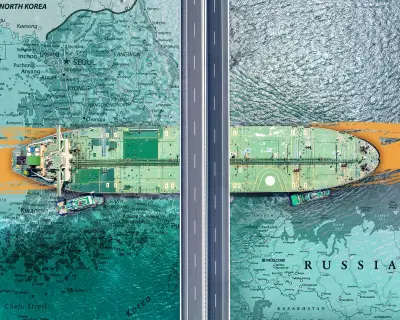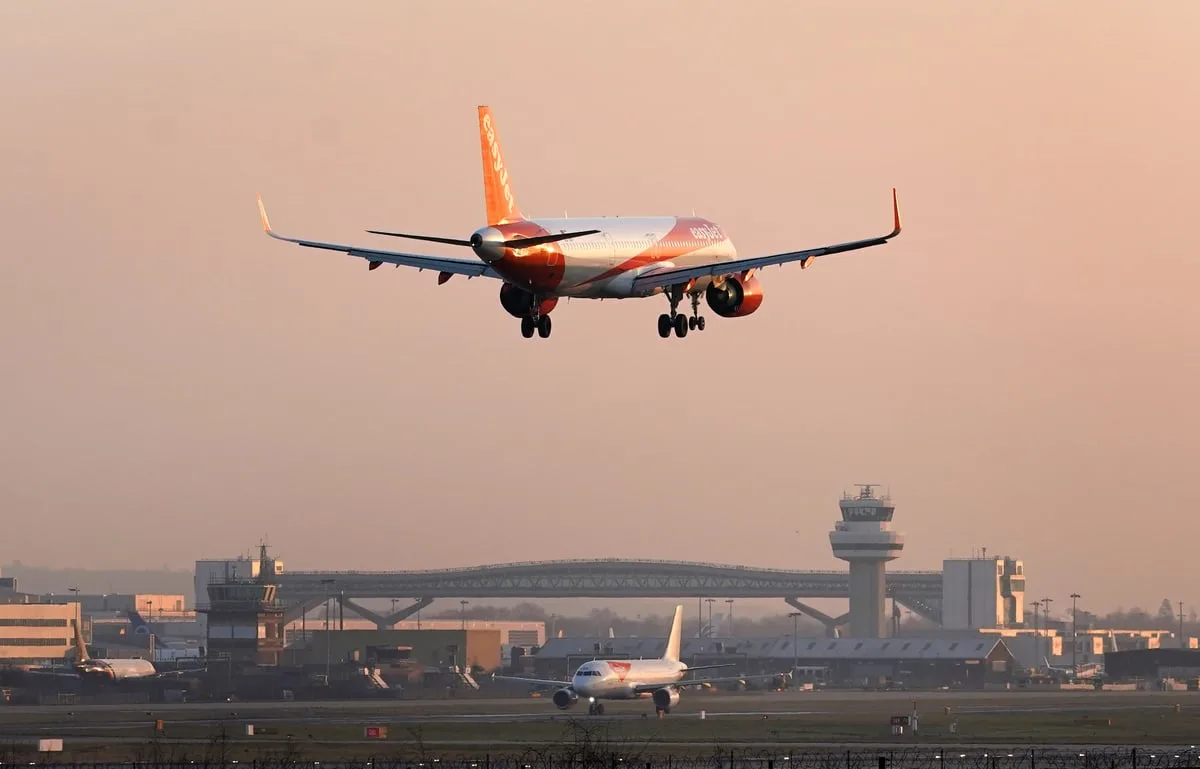
Flight cancellations across the UK have begun as airlines grapple with rising jet fuel prices and declining passenger demand, exacerbated by the ongoing conflict in the Middle East. Aurigny, the Channel Islands airline, has cancelled several flights from mid-April to early June, calling the cuts “proactive measures to address the impact of global instability”.
Services between Guernsey and London City airport have been reduced, with affected passengers offered seats on London Gatwick flights. Routes from Exeter and Bristol have been combined. Aurigny has also deferred most flights to and from Paris until June and will introduce a temporary fuel adjustment surcharge of £2 on all bookings from March 20.
Skybus has cancelled flights between Newquay and London Gatwick from April 2, citing “circumstances beyond our control”. Managing director Jonathan Hinkles attributed the cancellations to a “huge rise in the cost of fuel following the war in the Gulf” and a “significant drop” in passenger bookings. Affected passengers will receive full refunds.
Ryanair chief executive Michael O’Leary warned that the airline may need to cancel 5% to 10% of flights through May, June and July if the conflict continues to impact fuel prices. Jet fuel has surged from $742 a metric tonne a year ago to over $1,710, while Brent crude oil exceeded $100 a barrel for the first time since 2022.
Internationally, Air New Zealand has cut 1,100 flights through early May, SAS has axed 1,000 flights next month, and Vietnam Airlines plans to reduce flights by 10% to 20% monthly if prices remain high. United Airlines became the first major US carrier to cancel flights due to fuel costs, with CEO Scott Kirby warning that fares could rise by 20% to break even.