
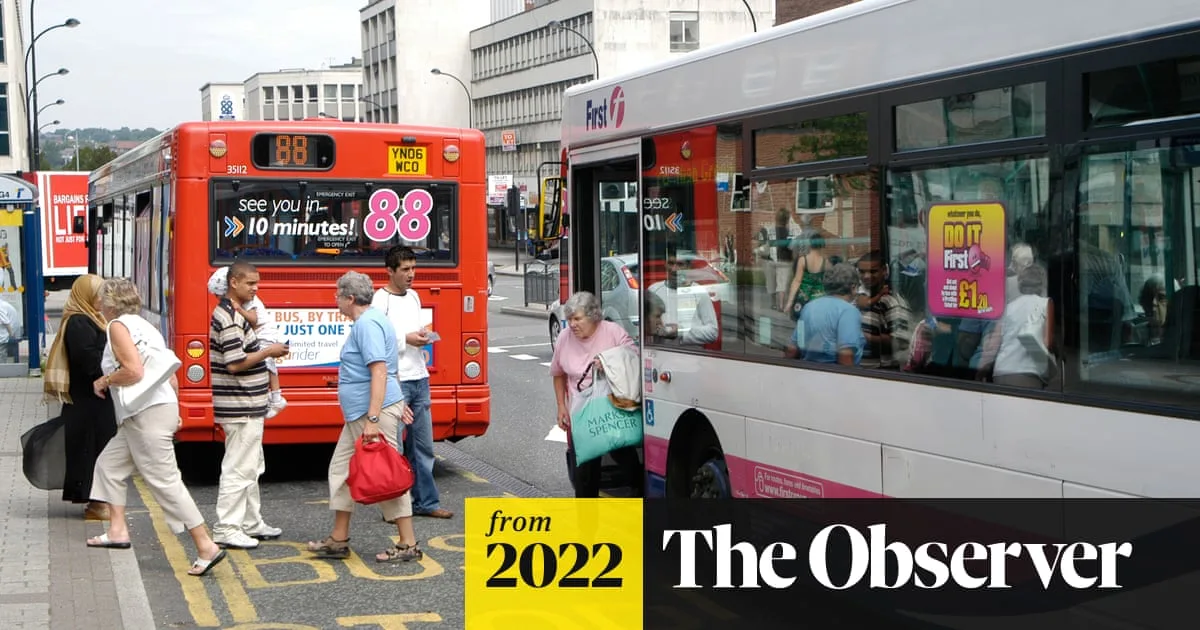
At least 135 bus routes across England are facing cutbacks or cancellations this summer, as councils and operators struggle with falling passenger numbers, rising costs, and the end of emergency government funding. Changes include reduced frequency, fewer stops, and complete route cancellations, with 16 routes affected in London, 25 in Liverpool, and around 40 in the north-east.
The cuts come after bus route coverage in England fell by more than a quarter between 2012 and 2021, according to the Campaign for Better Transport. Many of the latest reductions are blamed on declining passenger numbers post-pandemic, but rising costs and driver shortages in areas like Kent are also contributing factors.
Labour's transport secretary, Louise Haigh, criticised the previous Conservative government, stating: “Communities across the country have been shafted by the Conservatives. Many won’t see any of the funding that the Tories promised to improve shockingly bad bus services.” The government's national bus strategy, launched in March 2021, promised £3bn of investment, but most went to pandemic support, with only £1bn awarded to regions for improvement plans.
David Renard, transport spokesperson for the Local Government Association, noted that the pandemic accelerated existing trends in declining passenger numbers. He called for a long-term funding plan, warning that without continued support, some routes will become unviable. Silviya Barrett of the Campaign for Better Transport described the cuts as “deeply concerning” for climate and cost-of-living goals, urging the government to “slam the brakes” and provide more funding.
Further cuts are expected after pandemic support funding runs out in October, with dozens of routes in West Yorkshire at risk. A Department for Transport spokesperson defended the government's £3bn investment commitment, urging local authorities to ensure services are commercially sustainable post-pandemic.




