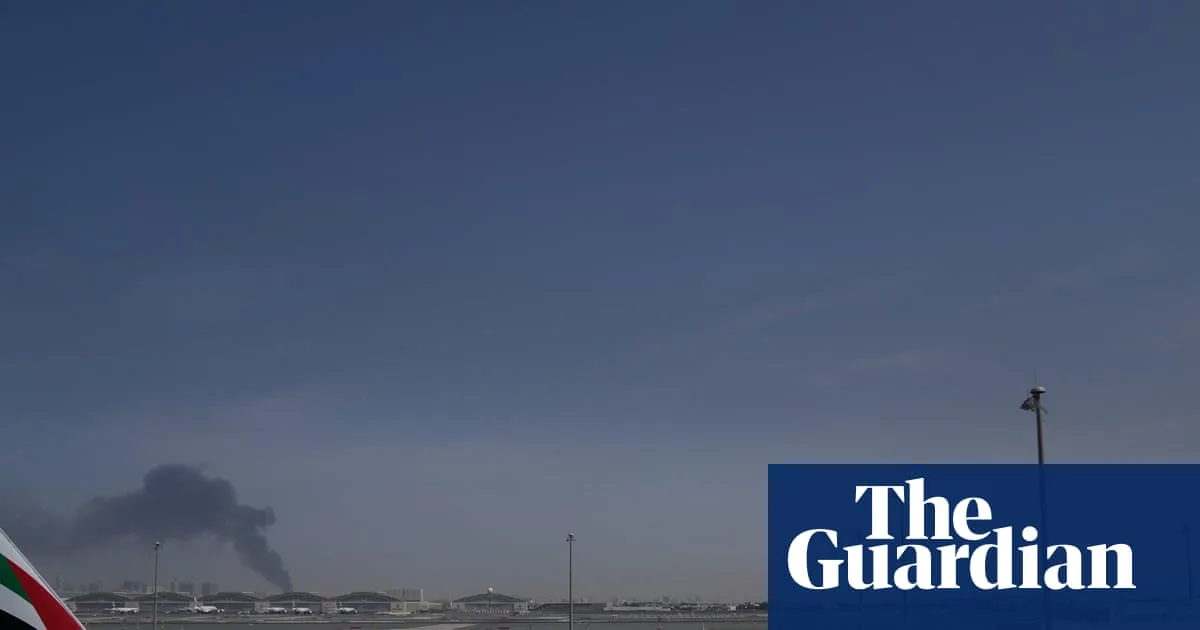
Hundreds of thousands of passengers remain stranded as the fallout from US-Israeli strikes on Iran continues to disrupt global air travel. Key air hubs in the Middle East remain closed, with thousands of flights cancelled on Monday alone.
Gulf airports and airlines have suspended normal operations until at least 10:00 GMT on Tuesday, though a limited number of special services were due to depart from the UAE on Monday evening. Major Middle Eastern airports, including Dubai – the world's busiest international hub – have been closed for a third consecutive day.
According to analysts Cirium, almost 1,700 flights to the Middle East had been cancelled by 05:00 GMT, though the figure is likely artificially low due to limited data from Iran and the UAE. Emirates, Etihad Airways, and Qatar Airways have all suspended flights, with Emirates and Etihad set to resume selected services on Monday evening.
The disruption has spread beyond the Middle East, affecting flights to Asia, Europe, and North America. Air India cancelled flights from Delhi, Mumbai, and Amritsar to major cities in Europe and North America. Some flights to Cyprus have also been affected, with easyJet cancelling services between Paphos and Larnaca and the UK.
Airline and travel share prices have fallen sharply, with Tui dropping 9% and IAG down 5%. Some carriers are offering refunds or free changes to those due to travel in the coming weeks. British Airways has told passengers due to fly to the Gulf, Israel, or Jordan until 15 March that they can delay travel free of charge.
Analysts note that such a prolonged closure of the skies – more than 24 hours – and the shutdown of all three big Gulf transit hubs is unprecedented. Passengers are advised to check with their airlines for the latest information and to consider alternative routes if possible.