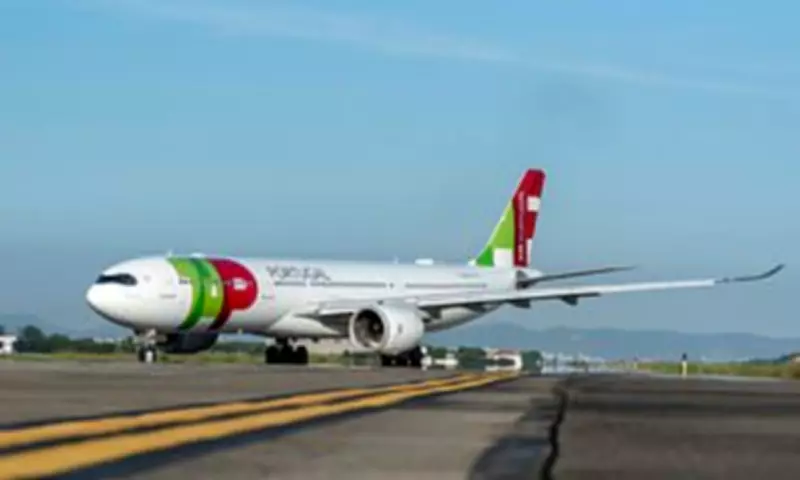
A TAP Air Portugal flight en route to Porto was forced to execute an emergency landing at London Gatwick Airport on Sunday, February 8, following a reported fire onboard the aircraft. The incident, which occurred shortly after takeoff, saw flames erupt in the galley area, prompting the pilots to declare a squawk 7700 emergency code as the plane reached an altitude of approximately 4,300 feet.
Immediate Response and Safe Return
The flight crew immediately requested permission to return to the London aviation hub, executing a loop back to Gatwick Airport. The aircraft touched down safely at 9.41am, where emergency services were already positioned and waiting on the tarmac. Following the landing, the plane underwent a thorough technical assessment and was subsequently moved to a remote area away from the terminal gates and other aircraft to ensure safety.
Flight Resumption and Delayed Arrival
After the necessary checks, the route resumed operations at 12.30pm, with the flight eventually landing at its final destination in Porto at around 2.22pm GMT. This marked a significant delay from the original scheduled arrival time of 11.30am. No injuries were reported among passengers or crew during the incident, though it remains unclear whether the same aircraft was used for the continued journey to Portugal.

Second Emergency Incident Over the Weekend
In a separate aviation incident over the same weekend, another flight was compelled to make a precautionary emergency landing, also triggering a squawk 7700 code. Flight D7221, operated by AirAsia and bound for Kuala Lumpur, Malaysia, departed Sydney at approximately 10pm on Sunday before the crew observed an alert related to cabin pressure.
A spokesperson for AirAsia confirmed to the Daily Mail that while cabin pressure remained at a safe level, the captain opted to divert to Brisbane airport as a precautionary measure, adhering to established operational safety protocols. The aircraft's altitude dropped from a typical commercial cruising height of 34,000 feet to about 10,000 feet during the diversion.
Passenger Safety and Compensation
All 142 passengers and the 11-person crew disembarked without incident in Brisbane. AirAsia General Manager Benyamin Ismail stated that the diversion was carried out in line with the airline's operational safety procedures, emphasising that the flight crew are highly trained to handle such situations. Passengers were kept informed throughout the event and have received accommodation and food vouchers while alternative travel arrangements are being organised. The aircraft will undergo a detailed engineering assessment in compliance with safety protocols.
The Daily Mail has approached TAP Air Portugal for further comment on the Gatwick incident, but no additional statements have been released at this time. These back-to-back emergency landings highlight the critical importance of rigorous safety measures and pilot training in ensuring passenger security during unforeseen in-flight events.