

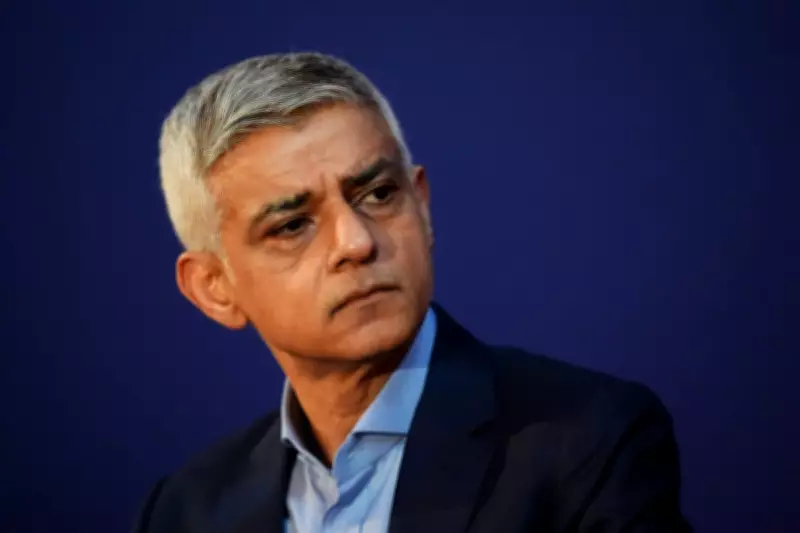
London Mayor Sadiq Khan Explores New Charges for Large SUVs to Enhance Road Safety
Mayor Sir Sadiq Khan is reportedly evaluating the introduction of new charges for large SUVs driven within London, according to a recent document released by Transport for London (TfL). This proposal stems from TfL's Vision Zero action plan, which emphasises a "pressing need for targeted safety interventions" regarding larger vehicles on the city's roads. The initiative aligns with Sir Sadiq's broader commitment to eliminate all deaths and serious injuries on London's road network by the year 2041.
Safety Concerns and Statistical Evidence
The Vision Zero plan asserts that the substantial size of large SUVs makes roads "more hazardous for everybody outside the vehicle" and significantly increases the severity of collisions. While there is no precise legal definition, SUVs are generally characterised as vehicles that are taller, wider, and heavier than conventional cars, often featuring lower fuel efficiency. The document further claims that "oversized" vehicles, such as large SUVs, make it harder for drivers to see pedestrians and cyclists nearby, with children being "more easily hidden from a driver's view."
Startling statistics cited in the plan reveal that in Britain, SUVs are 14 per cent more likely to kill pedestrians and cyclists in a collision compared to other passenger cars. Alarmingly, they are 77 per cent more likely to be fatal for children involved in such incidents. A spokesperson for the Mayor confirmed the ongoing scrutiny, stating: "There is growing evidence about the safety risks of large SUVs, which are becoming more common on London's roads. It's a startling figure that SUVs are 77 per cent more likely to kill a child if involved in a collision."

Analysis and Potential Policy Implications
The spokesperson added that Mayor Khan has tasked TfL with conducting a "detailed analysis of the safety risks posed by large SUVs and their wider impact on London's roads." This analysis could then inform any future policy proposals in London or recommendations to the Government or the automotive sector. They concluded that "as the numbers of large SUVs increase on London's roads, it is right that TfL consider their impact on safety and how they affect other road users." It was stressed that no specific proposals regarding potential charges for large SUVs have yet been put forward, but the consideration marks a significant step in road safety planning.
Criticism from Motoring Organisations
However, the prospect of such charges has drawn criticism from motoring organisations. Mike Hawes, chief executive of the Society of Motor Manufacturers and Traders, emphasised that all cars sold in the UK, "regardless of size," must meet "exacting safety and pedestrian protection standards." He argued that "singling out specific cars based on size restricts consumer choice and would unfairly penalise the many drivers who require a larger vehicle for essential mobility."
Steve Gooding, director of the RAC Foundation, also weighed in, noting that "SUVs come in all shapes and sizes." He cautioned that "any arbitrary charge is unlikely to deter the ownership and use of the biggest, most expensive vehicles, whilst also adding an extra cost to families who need a bigger car for legitimate reasons."
Context of London's Existing Charging Schemes
London has previously implemented various charging schemes to manage traffic and pollution. In August 2023, Sir Sadiq expanded the ultra-low emission zone (ULEZ) to encompass the entire city, requiring drivers of vehicles that do not meet emissions standards to pay a daily fee of £12.50. The capital also operates an £18 congestion charge for driving within a central zone during specific hours. These measures highlight the city's ongoing efforts to balance mobility with environmental and safety concerns.

Despite their environmental and safety implications, SUVs have seen a surge in popularity in recent years, with many drivers favouring their elevated seating position. These vehicles now account for approximately one-third of all new car registrations across the UK, underscoring the potential impact of any new charges on a significant portion of motorists.





