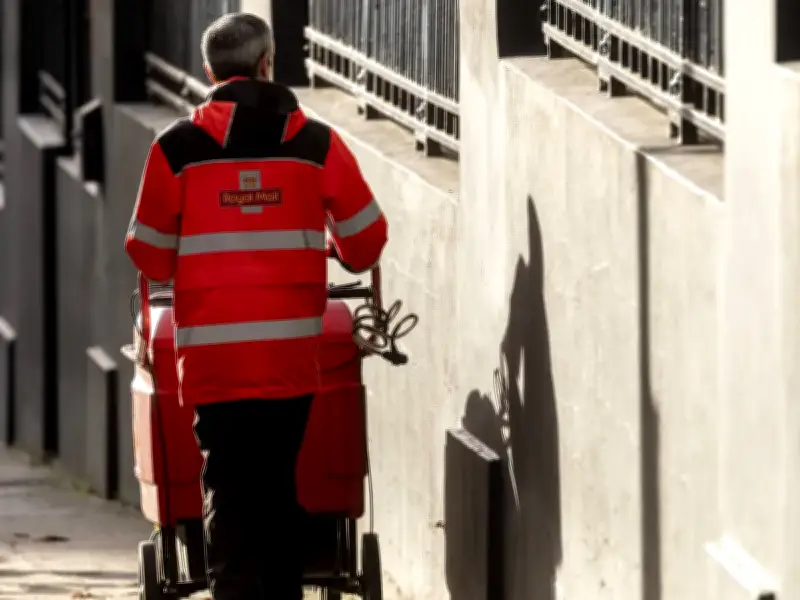
Royal Mail has confirmed it will halt the full rollout of its second-class post overhaul until after Christmas, pausing the expansion of the new delivery model to the remaining 107 delivery offices until January 11.
The company said it had agreed with the postal workers' union to delay the changes so that staff can focus on the peak festive season. The reforms, which will see second-class post delivered only on alternate weekdays and Saturday second-class deliveries scrapped, have already been completed in just under 1,100 delivery offices, with another 15 to be included by November 2.
Rollout pauses for festive period
Royal Mail, whose owner International Distribution Services was bought last year by Czech billionaire Daniel Kretinsky, had expected to expand the new model across all its 1,200 delivery offices by Christmas. The rollout was initially delayed by disagreements with the trade union.
The pause comes after Prime Minister Andy Burnham last week told Royal Mail to improve its performance and warned the Government would take "further measures" after repeatedly missing delivery targets. The Communication Workers Union also called earlier this month for an emergency summit on Royal Mail's future, claiming the organisation was "on the brink of collapse".
Progress under new delivery model
Royal Mail insisted its reforms were starting to bear fruit, describing the latest delay as a "pragmatic approach" to allow it to "maintain the momentum behind one of the biggest operational changes in its history, while keeping focus firmly on delivering a successful Christmas for customers".
Alistair Cochrane, chief executive of Royal Mail, said: "We have now deployed our new delivery model in around 90% of delivery offices and are starting to see the benefits for customers.
"First-class quality of service has improved by 9%, and offices operating under the new delivery model are delivering to around 95% of addresses each day on average, compared with 88% before rollout began.
"There is still more to do, but the progress we are seeing gives us confidence that the new delivery model will continue to ensure more reliable, efficient and sustainable deliveries for our customers."