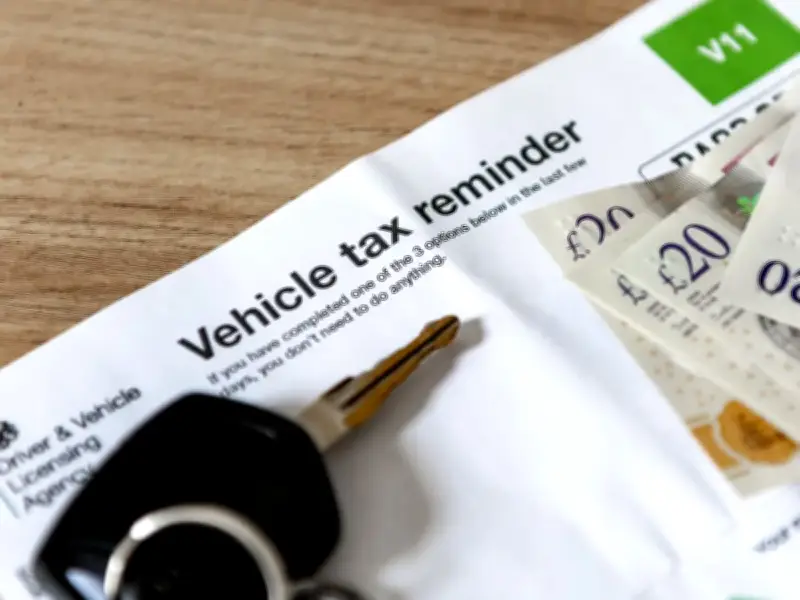
The RAC has confirmed the seven vehicle groups that are exempt from paying road tax in the UK. Vehicle tax, officially known as Vehicle Excise Duty (VED), is a mandatory payment for everyone in the UK who owns a vehicle. Driving an untaxed vehicle on a public road is illegal.
If you are not using or parking your car on a public road, you must declare it off the road with a SORN to avoid paying. Driving an untaxed vehicle or failing to declare SORN can result in fines from the DVLA starting at £80 (reduced to £40 if paid quickly) or court-imposed fines up to £1,000.
What is car tax?
Car tax, officially known as Vehicle Excise Duty (VED) and often called road tax, is a fee that most drivers must pay to keep or use their vehicle on the public road. It was introduced in 1937 and replaced the old system of road tax. According to the RAC, the tax disc was introduced in 1921 and, until 1974, car taxation was handled by local authorities.
Then, in 1974, the DVLC (Driver and Licensing Vehicle Centre) was established, with an office in Swansea handling all vehicle and driver registration issues. The DVLC later became the DVLA (Driver and Vehicle Licensing Agency) and the tax disc was scrapped in 2014.
Who is exempt from car tax?
Some types of vehicles are exempt from vehicle tax, meaning you do not need to pay for it. The following types of vehicles are exempt: vehicles used by a disabled person, disabled passenger vehicles, mobility scooters, powered wheelchairs and invalid carriages, historic vehicles, mowing machines, steam vehicles, and vehicles used just for agriculture, horticulture, and forestry.
Even if your vehicle is tax-exempt, you'll still need to apply for annual VED. If you need help with your vehicle tax, contact the DVLA. If you register your vehicle as off the road, you'll get a refund for any unused vehicle tax you've already paid.