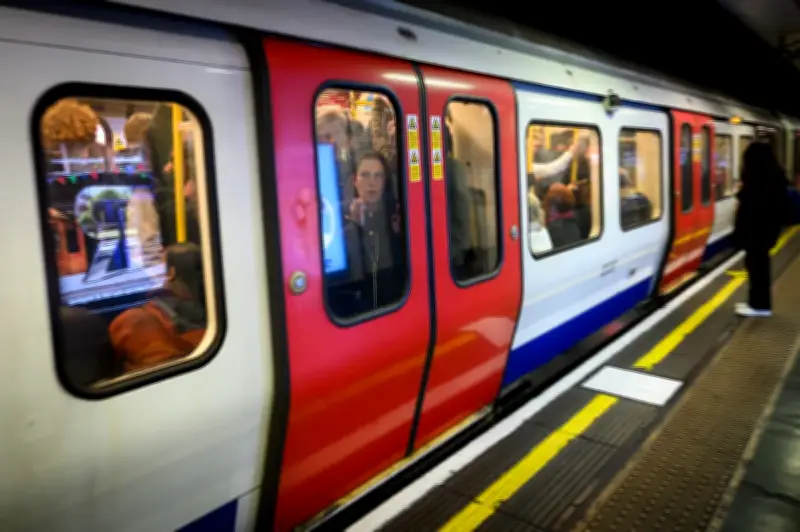
The RMT union is facing a growing backlash over its plans for eight Tube strikes running from late November into February, with political figures accusing it of holding London to ransom over a voluntary four-day week for drivers.
The Conservatives described the planned industrial action as "pointless strikes called by the RMT for totally spurious reasons," while other politicians warned of severe disruption to businesses during the crucial Christmas period.
Dispute over voluntary four-day week
The row centres on a voluntary four-day week for Tube drivers, many of whom earn over £70,000 a year. The RMT claims that London Underground is launching a "wholesale attack on drivers' working conditions."
However, the Aslef train drivers' union has fully backed the reforms, stressing that they will offer drivers the best working conditions on the whole rail network, including less time at work and rostered hours being reduced from an average of 36 to 34 a week with no pay cut.
Political criticism grows
Shadow London minister Gareth Bacon told The Standard: "Here we go again. Yet more pointless strikes called by the RMT for totally spurious reasons."
The Orpington MP added: "With this useless Labour government and Mayor of London constantly caving into union demands it encourages them to do it again and again. And who loses out as usual? Fare paying Londoners of course."
Laila Cunningham, Reform UK's London mayoral candidate, stressed: "We all wish we earned more or worked fewer hours. But the rest of us don't get to hold an entire city to ransom when we don't get what we want."
She added: "It's time to modernise the Tube. It's time to automate. And it's time to put Londoners first."
Impact on businesses and commuters
Liberal Democrat London spokesman Luke Taylor, MP for Sutton and Cheam, emphasised: "Nobody doubts how hard Tube staff work to keep this city moving. But eight days of strikes running right through Christmas and into February will be a hammer blow for London's small businesses, hospitality venues and hardworking commuters."
The eight 24-hour strikes are scheduled for: Thursday 26 November 2026, Thursday 17 December 2026, Saturday 19 December 2026, Monday 4 January 2027, Wednesday 6 January 2027, Wednesday 17 February 2027, Tuesday 23 February 2027, and Thursday 25 February 2027.
Transport for London (TfL) and the RMT have been engaged in talks for months to try to resolve the dispute. In a surprise move last Friday, the union announced the series of strikes.
TfL urged the RMT to put the latest proposals to its members to see if they would back them. Nick Dent, Director of Customer Operations for London Underground, stressed: "Drivers can now choose to remain on a five-day week with a guarantee of remaining at the same depot. This will give our colleagues a real, meaningful choice on their working pattern without having to change where they work."
TfL rejected RMT claims that the changes would increase driver fatigue and stressed they were voluntary.
RMT General Secretary Eddie Dempsey said: "Our members are being asked to spend more time driving trains, accept longer and more unpredictable shifts and surrender agreements that have been negotiated and defended over many years. This is not about improving work-life balance. It is about squeezing more work out of fewer drivers while giving management greater flexibility at the expense of our members."