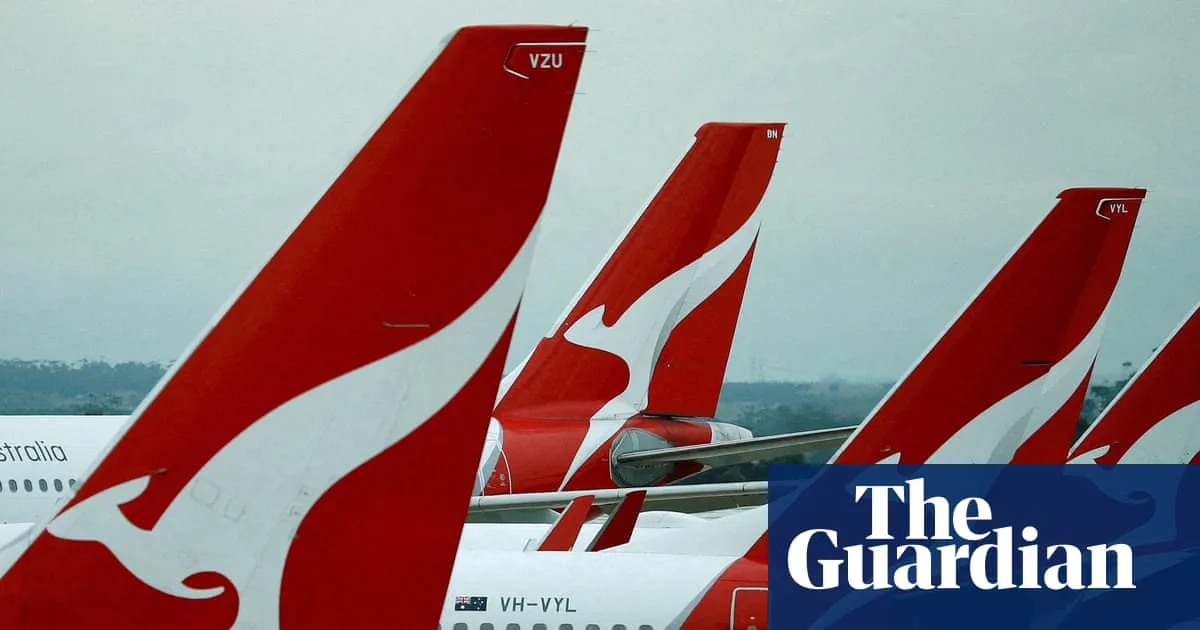
Qantas has announced it will cut domestic flights and raise fares as it grapples with a sharp increase in its fuel bill due to the conflict in the Middle East. The Australian airline has redeployed capacity from its US and domestic networks to meet strong demand for Europe-bound travel, particularly to Paris and Rome.
In a market update on Tuesday, Qantas said it plans to reduce capacity on its domestic network by about 5% in May and June, including cutting frequencies on key routes between state capitals and regional services. The airline has also suspended four routes temporarily: Melbourne–Hamilton Island, Melbourne–Coffs Harbour, Sydney–Busselton, and Darwin–Gold Coast. Additionally, it will permanently stop flying between Adelaide and Mount Gambier, citing low demand and high fuel costs.
The Middle East conflict has led Persian Gulf carriers such as Emirates, Etihad, and Qatar Airways to reduce services, prompting passengers to seek alternatives. Qantas is benefiting from this shift, with increased demand for flights transiting through Asia. However, the airline said its jet fuel bill is rising sharply due to surging oil prices caused by the Iran conflict.
Qantas now expects its fuel bill for the second half of the 2026 financial year to be between $3.1bn and $3.3bn, up from a prior forecast of $2.2bn. To offset these costs, the airline has increased ticket prices and prioritised flights towards high-demand European routes. It has warned that further action, likely additional fare increases, may be necessary.
Shares in Qantas fell more than 3% in early trading on Tuesday before recovering slightly. The airline uses hedging contracts to partially protect against fuel price increases.