

Qantas has announced significant operational changes, including fare increases, domestic capacity reductions, and adjustments to its international flight network. These moves come in response to a sharp spike in global oil prices triggered by the ongoing US-Iran conflict, which has disrupted fuel supplies and driven up costs for the airline group.
Fuel Costs Skyrocket, Prompting Route Cuts
The airline and its budget subsidiary Jetstar have temporarily suspended five routes, with more potentially on the horizon, as fuel prices continue to climb. This decision has been labelled as 'opportunistic' by one state premier, highlighting the contentious nature of the cuts amid broader economic pressures.
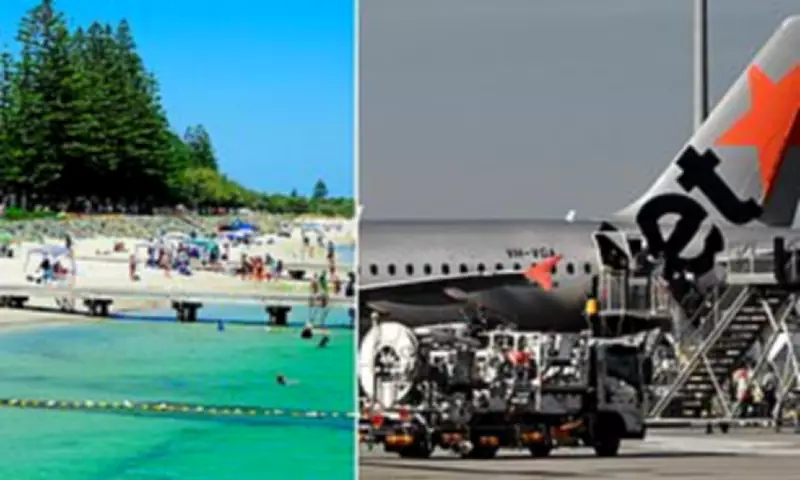
Jetstar confirmed on Tuesday that it would suspend flights from Sydney to Busselton, a coastal town in southwest Western Australia, until at least September. This route, which launched in 2024, had been popular among tourists and fly-in, fly-out workers, making its suspension a notable blow to regional connectivity.

Financial Impact and Capacity Reductions
The Qantas Group now anticipates spending up to $3.3 billion on jet fuel in the first half of the 2025/26 financial year, a substantial increase from an earlier estimate of $2.5 billion. In an update, Qantas attributed this surge to fuel price hikes caused by the closure of the Strait of Hormuz due to Middle East tensions, which have added between $600 million and $800 million to costs.
To mitigate these rising expenses, Qantas and Jetstar will implement a 5 per cent reduction in domestic services during May and June. The majority of these cuts will affect flights between major cities, though regional routes are also impacted.
Suspended Routes and Customer Impact
The Sydney to Busselton route, operating three times weekly, is the only Western Australian service suspended across both airlines. However, other routes facing temporary suspension include:
- Adelaide to Mount Gambier, effective from Saturday
- Melbourne to Hamilton Island, from May 18 to June 28
- Melbourne to Coffs Harbour, from May 18 to June 28
- Darwin to the Gold Coast, from May 18 to October 12
Fares are expected to rise to help cover the higher fuel costs, though the exact increase remains unclear. Affected customers are being contacted directly to be rebooked on alternative services or offered refunds if they no longer wish to travel. Most will be provided with other flights on the same day as their original bookings.
Political and Industry Reactions
WA Premier Roger Cook expressed disappointment and surprise at the decision to suspend Busselton-Sydney flights until September 22. He questioned Qantas's rationale, stating, 'This is the same airline that is very happy to jack up prices whenever it suits them, regardless of the supply of fuel, so I'm not quite sure why they would make that decision, which I consider quite bizarre.' Cook added that there is ample fuel entering the country, suggesting the move is opportunistic rather than necessary.
In response, a Qantas Group spokeswoman cited insufficient demand to support the Busselton flights, emphasising the airline's commitment to restarting the service later this year. She noted that the group is closely monitoring the impact of the Middle East conflict and may further adjust capacity and fares over time.
Broader Industry Context and Strategic Shifts
Qantas, which does not operate flights to the Middle East, is experiencing increased demand for international travel to Europe as passengers seek alternative routes. In response, the airline is redeploying capacity from the US and its domestic network to boost flights to destinations like Paris and Rome.
The closure of the Strait of Hormuz, a critical chokepoint for oil shipments, has led to refining costs soaring from about $US20 a barrel in February to a peak of around $US120. While Qantas has hedged 90 per cent of its exposure to crude oil costs, it remains vulnerable to the refining costs of converting crude into jet fuel.

Other airlines, including Air New Zealand, Air India, and Delta Airlines, have also reduced capacity in recent days due to surging jet fuel costs, indicating a widespread industry challenge. Qantas is working with government authorities and jet fuel suppliers to ensure access to the commodity, with no significant disruptions expected until well into May.
The airline group continues to assess the situation and retains the option to take further action to mitigate fuel cost increases, underscoring the ongoing uncertainty in global markets driven by geopolitical tensions.





