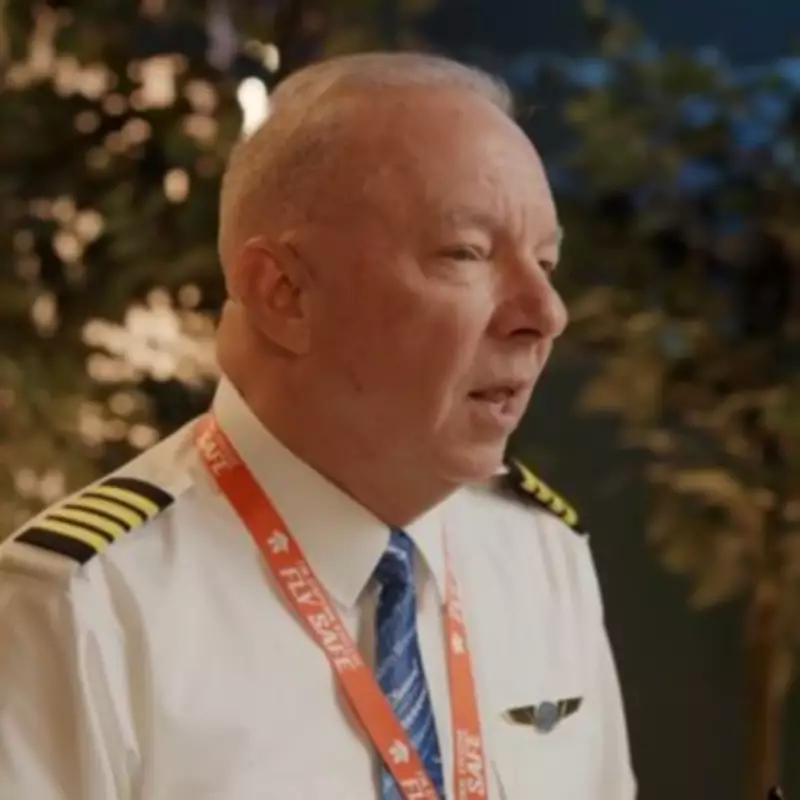
An experienced airline pilot has publicly clarified the genuine safety reasons why passengers must switch their mobile phones to airplane mode during flights. This common aviation rule, often questioned by travellers, remains a vital precaution as confirmed by Captain Steve Scheibner, an American Airlines pilot widely known as Captain Steeeve on his popular YouTube channel.
The Historical Context and FAA Testing
In a recent Q and A session titled "The TRUTH About Airplane Mode!", Captain Scheibner addressed the origins of this regulation. He explained that when personal electronic devices first became ubiquitous, aviation authorities were uncertain about their potential impact on aircraft navigation systems. The Federal Aviation Administration (FAA) subsequently conducted extensive testing to evaluate any risks.
Captain Scheibner stated: "Years and years ago, when we first started getting all these devices that we carried with us, there was a lot of uncertainty about if it would impact the navigation equipment of an airplane. So the FAA did a whole bunch of tests, and they came up with some stuff. They thought, you know, out of an abundance of caution, let's get everybody to turn off their devices, or that's what they came up with, airplane mode, and they just put them in airplane mode so they don't transmit."

Why Interference Matters During Critical Phases
The pilot emphasized that aircraft navigation equipment is concentrated at the front of what he described as a "long metal tube," making it particularly vulnerable to electronic interference. He stressed his personal commitment to ensuring these systems operate without disruption, especially during taxi, take-off, and landing procedures.
Scheibner noted that while some online sources claim the airplane mode requirement is unnecessary, he adopts a cautious approach. He personally turns his device off completely until the aircraft reaches 10,000 feet, asserting that he can "live without" it during that period and suggesting passengers can too.
When Interference Becomes a Genuine Concern
Although interference incidents are rare, Captain Scheibner highlighted specific circumstances where electronic devices could pose a genuine risk. He explained: "On rare occasions, all those devices can cause some interference for the navigation gear, and that's really a concern if I'm in bad weather. If it's really clear outside, is it a big deal? Not really, but you know, you didn't hear that here."
This insight underscores why the FAA's precautionary principle continues to govern in-flight device policies. The pilot's explanation reinforces that airplane mode isn't merely a bureaucratic formality but a measured safety protocol based on empirical testing and operational prudence.