
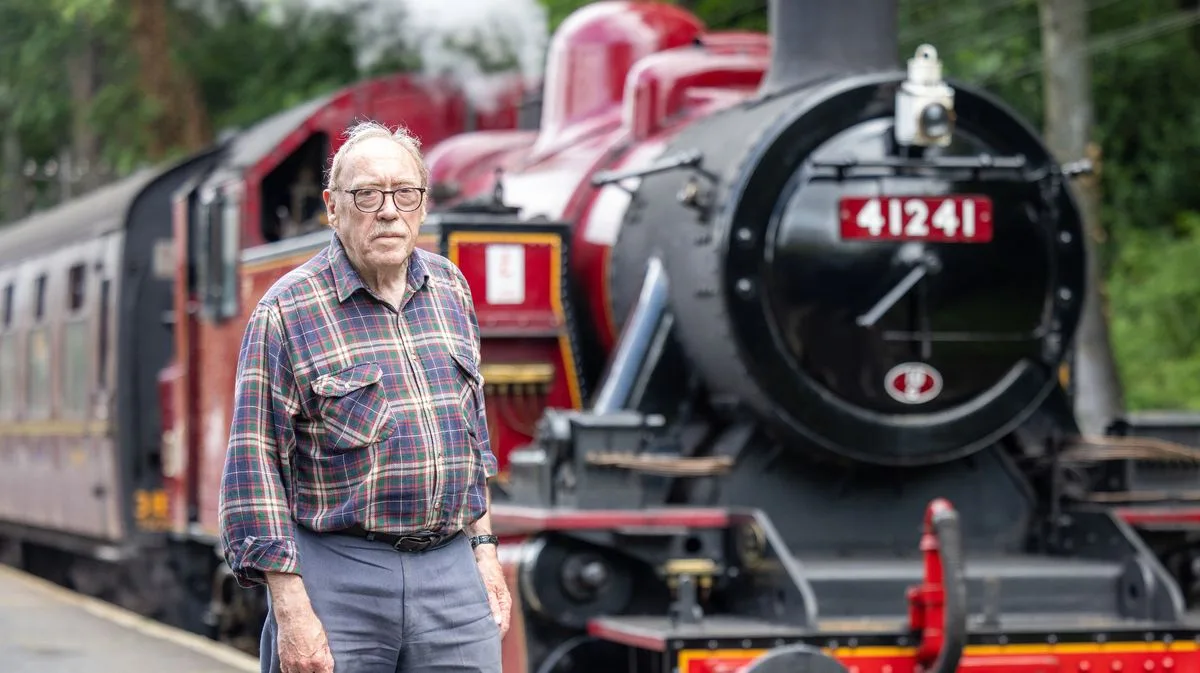
Paul Routledge has thrown his weight behind the government's plan to renationalise Britain's railways, calling it a 'revolution in train travel' as the country marks 200 years of passenger rail. The Labour government is fulfilling its election promise by taking the industry back into public ownership, with a Railways Bill already progressing through the House of Commons.
Under the plans, Great British Railways will centralise control of passenger services currently run by 17 different operators. The rollout includes a new digital app for tickets and assistance, removing booking fees and offering real-time travel information. Seven train operating companies, accounting for a third of all journeys, are already under public control, including Greater Anglia, South Western, and LNER.
Transport Secretary Heidi Alexander unveiled a new red, white and blue livery for trains, incorporating the National Rail double-arrow logo. She insisted: 'This isn't just a paint job. It really signals a new railway, casting off the frustrations of the past and focused entirely on delivering a proper public service for passengers.'
The government has frozen fares this year, the first such freeze in decades, but refuses to promise lower fares under public ownership. Ministers aim to reduce the annual £2bn subsidy over time. Critics point to past failures of British Rail, but supporters argue that publicly-run operators like Southern and LNER already report some of the lowest cancellation rates nationally.
Nevertheless, renationalisation is not a magic wand. Last week, publicly-run LNER faced cancellations due to a broken-down goods train, with one service arriving 15 minutes late and another cancelled entirely. The industry's transition is expected to be completed by the end of 2027 as existing franchises expire.




