

The global aviation industry is facing unprecedented turmoil as a severe jet fuel crisis compels more than 30 airlines to implement drastic measures, including flight cancellations and new charges. This upheaval stems from a sharp surge in fuel costs, driven by escalating tensions in the US-Israel war with Iran, which have sent prices skyrocketing from approximately $85-$90 per barrel to as high as $150-$200 in recent weeks.
Widespread Disruption and Financial Strain
The dramatic increase in jet fuel expenses has forced carriers to hike fares, cut routes, and reassess their financial forecasts, triggering warnings of major operational disruptions. Fatih Birol, chief of the International Energy Agency, has cautioned that Europe could have as little as six weeks of jet fuel supply remaining if the Strait of Hormuz remains closed, amplifying concerns over the crisis's longevity and impact.
Airlines Taking Action
Numerous airlines have announced specific adjustments in response to the fuel price spike. For instance, AirAsia X has cut around 10% of its flights and introduced a fuel surcharge of roughly 20%, while Air France-KLM is raising long-haul fares and adding a 50-euro charge per round trip, alongside cancelling flights, with KLM set to scrap 160 European services in the coming months.

Other notable responses include Air India switching to distance-based fuel surcharges, Air New Zealand reducing flights through May and June and suspending its full-year earnings forecast, and Akasa Air introducing surcharges ranging from 199 to 1,300 Indian rupees on domestic and international routes. In North America, Alaska Air has increased checked baggage fees by up to $150, and American Airlines has raised baggage fees by $10 for the first and second bags and $150 for the third, while cutting some economy benefits.
Further Cancellations and Fee Hikes
The list of affected airlines extends globally, with Asiana Airlines cutting 22 flights between April and July, Cathay Pacific cancelling a small portion of flights from mid-May to end-June and increasing fuel surcharges, and China Eastern Airlines raising surcharges for domestic flights. Delta Airlines is cutting capacity by about 3.5 percentage points and raising checked bag fees, and Easyjet's CEO has warned European consumers to expect higher ticket prices later in summer as fuel hedges expire.
In Asia, Greater Bay Airlines is raising surcharges on most routes, Hong Kong Airlines is increasing them by up to 35%, and Indigo is introducing fuel charges on domestic and international flights. Jetblue Airways is hiking fees for optional services like checked baggage, while Lufthansa is grounding 27 planes early and cutting more from its fleet. Norse Atlantic Airways has axed its London Gatwick to Los Angeles route due to fuel costs.
Additional Measures and Forecasts
Other carriers are taking similar steps: Pakistan International Airlines is raising domestic fares by $20 and international fares by up to $100, SAS will cancel 1,000 flights in April after already hiking fares, and Spring Airlines is raising domestic fuel surcharges. Southwest Airlines is hiking baggage fees to $45 for a first bag and $55 for a second, SunExpress is adding a temporary 10-euro surcharge on Turkey-Europe routes, and TAP Air Portugal says fare rises will soften the blow from higher fuel prices.
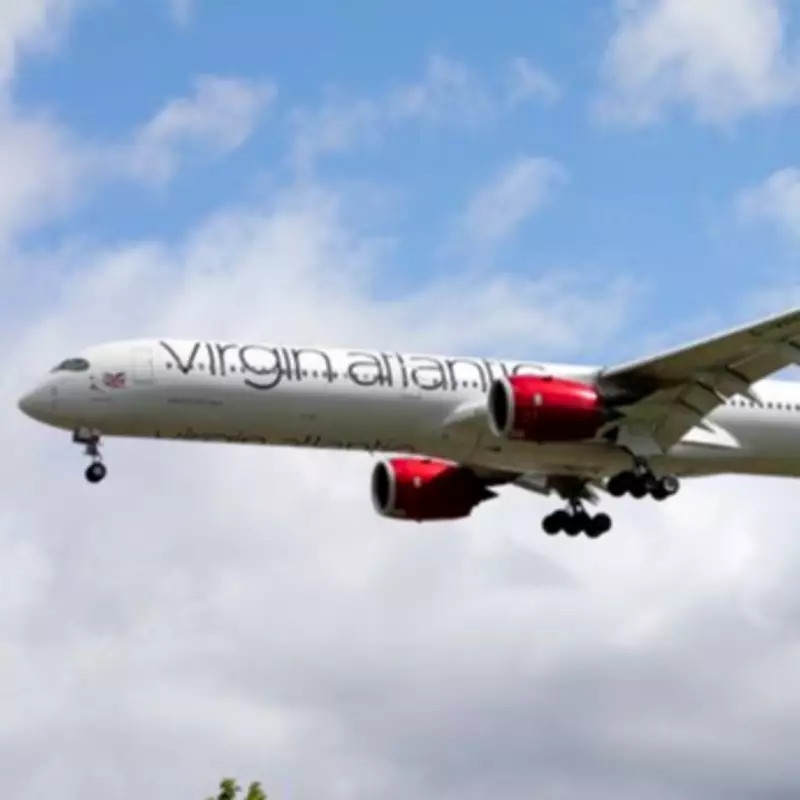
Thai Airways is increasing fares by up to 15%, United Airlines is scaling back loss-making routes and increasing checked baggage fees by $10 for certain regions, and VietJet Air has cut flights on some routes due to fuel shortages. Vietnam Airlines plans to cancel 23 domestic flights weekly from April and has requested government assistance to remove an environmental tax on jet fuel. Virgin Atlantic is adding fuel surcharges and may still struggle to return to profitability this year, while Volotea has introduced a policy adding up to 14 euros per passenger in surcharges, and WestJet is cutting seats, combining flights, and adding a C$60 fuel surcharge on some bookings.
This collective response underscores the severe financial and operational pressures facing the aviation sector, with the jet fuel crisis likely to persist and affect travel plans globally in the coming months.






