

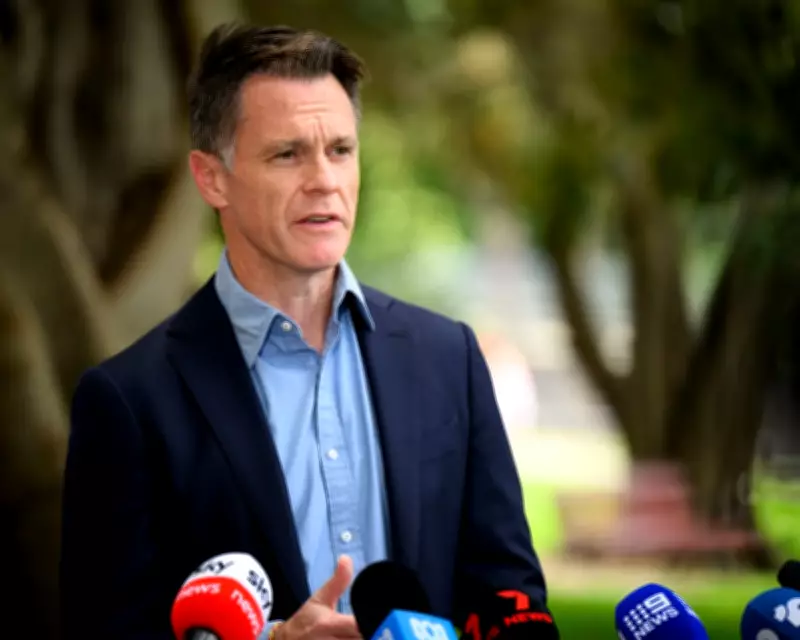
NSW Premier Unveils $100 Million Electric Vehicle Strategy to Accelerate Transition
New South Wales premier Chris Minns has announced a comprehensive update to the state's electric vehicle (EV) policy, pledging a $100 million investment aimed at reducing fossil fuel dependence and enhancing energy security. The revamped strategy includes plans for 1,000 new public fast chargers over the next two years and financial incentives for businesses to switch to electric trucks.
Addressing Charger Shortages and Expanding Access
The premier emphasised that the new measures will tackle a critical shortage of plug-in points across the state. Chargers will be installed in regions and suburbs currently lacking infrastructure, with a target of at least one every 100 kilometres on all major highways. Minns stated that this expansion is designed to make EVs accessible beyond affluent urban areas, moving away from what he previously called a "program for elites."
Record EV sales in March, with battery-electric vehicles accounting for 14.6% of new sales and used EV sales more than doubling, underscore the growing demand. Minns highlighted that the policy will help motorists save money while making Australia more resilient to global energy shocks, such as those caused by conflicts like the US-Israel war on Iran, which has disrupted oil supplies and driven up petrol prices.

Support for Businesses and Regional Mechanics
The updated strategy expands an existing fleet incentive scheme, which has already assisted over 240 businesses in purchasing more than 5,600 EVs, to include medium-sized electric trucks. Additionally, the government will invest in training for 2,000 regional mechanics, ensuring that country drivers have local access to qualified EV maintenance services.
Energy minister Penny Sharpe noted that the goal is to create a seamless charging network where "chargers are everywhere," allowing drivers to plug in without prior planning. The government is also working on legislation to enable EV charger installations in strata buildings and may overrule slow-moving local councils to expedite infrastructure deployment.
Future Road User Charges and National Coordination
Minns confirmed that NSW remains committed to implementing a road user charge from July 2027, set at 2.97 cents per kilometre for EVs and 2.37 cents for plug-in hybrids. This aligns with similar plans in Western Australia, though federal transport minister Catherine King has cautioned against disincentivising EV uptake, suggesting any scheme should be national to avoid legal challenges like the one that overturned Victoria's charge in 2023.
The premier also addressed proposals from energy companies to install chargers on electricity poles, funded through customer price hikes, stating that the government is evaluating the idea and will decide soon. He stressed that all new chargers will be utilised effectively, as demand continues to outpace supply.






