Nashville Metro Council Votes to Oppose Elon Musk's Proposed Tesla Tunnel Loop
The metro council in Nashville has formally expressed opposition to a planned tunnel project by Elon Musk's Boring Company, which aims to provide express rides in Tesla vehicles beneath the city's streets. In a vote held on Tuesday, council members passed a resolution highlighting significant concerns regarding safety, transparency, and the lack of meaningful local input in the planning process.
Council Vote and Resolution Details
The resolution was approved with 20 members voting in favour, 15 against, and two abstaining. While it cannot legally compel The Boring Company to halt, delay, or modify its plans for the Music City Loop, it serves as an official record of the council's grievances. Nashville officials are particularly troubled by the company's collaboration with state government partners, which they argue bypasses local authority and oversight.
Delishia Porterfield, the council member who sponsored the resolution, emphasised during the debate that "public land needs to be for public good and public infrastructure decisions must prioritize the welfare, safety and express needs of Nashville residents." Conversely, council member John Rutherford, who voted against the resolution, urged his colleagues to set aside political opinions about Musk, warning that opposition could jeopardise future dialogue with the company.

Project Overview and Expansion Plans
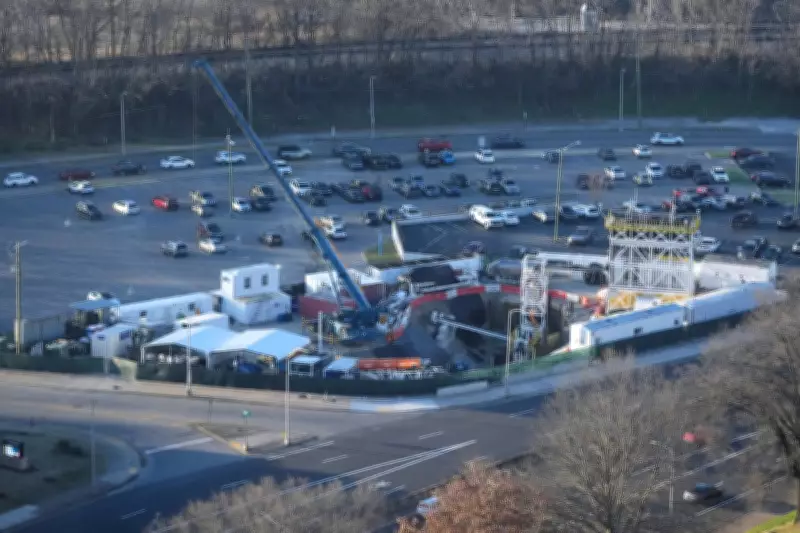
Announced in July by Republican Tennessee Governor Bill Lee and The Boring Company, the Music City Loop initially featured a 13-mile (21-kilometer) stretch connecting Nashville International Airport to downtown. The plan has since expanded to approximately 25 miles, including a second leg west of downtown. The project is promoted as coming at no cost to taxpayers, though it involves free use of state land near the Capitol, with the first section targeted to be operational by the first quarter of 2027.
The tunnel system would rely on a fleet of dedicated Tesla vehicles operated by trained drivers, with over 30 stations designed and potential for additional routes. The company claims ride costs will be lower than other transportation options, and while cars will initially be human-driven, autonomous vehicles may be explored in the future.
Safety and Environmental Concerns
The council's resolution raises several critical issues, including:
- Potential geological risks due to Nashville's porous limestone, which could lead to sinkholes and water movement problems.
- Environmental impacts, given the city's history of major flooding.
- Questions about compliance with the Americans With Disabilities Act.
- A lack of consultation with local officials, despite ongoing transit projects following a voter-approved tax increase in 2024.
Last month, representatives from The Boring Company addressed the council and residents, defending their safety record. David Buss, vice president of commercial and government affairs, stated that Nashville is "a great place to do tunneling," citing existing tunnels built by other entities. The company also highlighted its experience in Las Vegas, where a similar Tesla tunnel already operates, though the full route remains incomplete.
Broader Context and Previous Controversies
This is not the first time a Musk-owned company has faced criticism in Tennessee for operating around regulatory frameworks. In 2024, his xAI data center in Memphis began operations using pollution-emitting gas turbines without a permit, sparking protests from residents. The Nashville tunnel project also had a contentious start, with Democratic state Representative Justin Jones being blocked from attending the July announcement at the airport.
The Boring Company's CEO, Steve Davis, praised Nashville's welcoming attitude and cited traffic needs and state partnerships as reasons for choosing the city. However, local officials and advocates felt blindsided by the announcement, questioning why they were not consulted on such a significant transit initiative. Plans for tunnels in other cities have previously fallen through, though an overseas project in Dubai is still in development.

As of now, The Boring Company has not commented on the council's resolution when contacted by the Associated Press. The debate underscores ongoing tensions between innovative private ventures and local governance in infrastructure development.