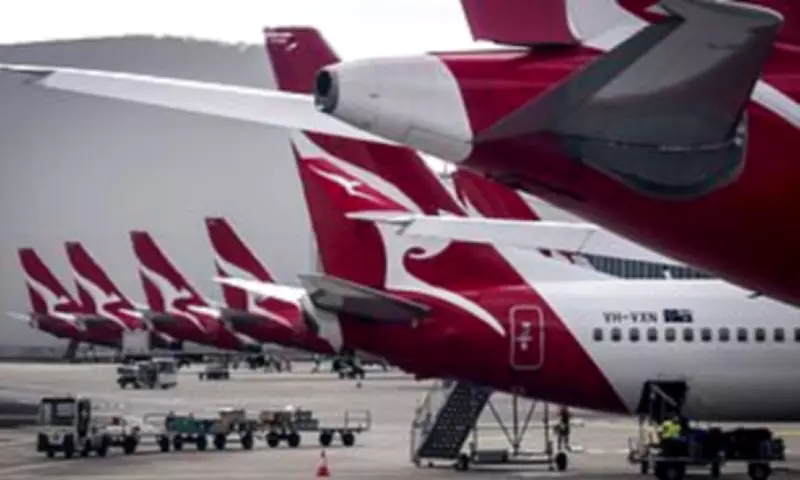
Australians planning trips to Europe are being urged to reconsider their travel arrangements as the ongoing conflict in the Middle East severely disrupts major aviation hubs. The situation has created significant challenges for airlines and passengers alike, with flight paths through the region becoming increasingly untenable.
Expert Analysis on Travel Disruptions
Professor Ron Bartsch, chairman of Avlaw Consulting and former head of safety and regulation at Qantas, has provided crucial insights into how this conflict impacts Australian travellers specifically. He explained that Australia would be among the countries hardest hit by these aviation disruptions because flights to Europe traditionally pass through Middle Eastern airspace.
Why Australia Faces Particular Challenges
'Out of all the peripheral countries that have been affected by this, Australian travellers have probably been more affected because, particularly in the last two decades, Australia has used the Middle East as its primary way of reaching Europe,' Professor Bartsch stated. This reliance on Middle Eastern routes has left Australian airlines and passengers particularly vulnerable to current geopolitical tensions.

Alternative Routing Strategies
The aviation expert outlined how airlines are responding to these challenges: 'What's going to happen now is that obviously Qantas and Virgin's sharing arrangements will try to deviate more towards other alternate routes through Bangkok, Singapore, Hong Kong and the Philippines in order to reach Europe.' This shift represents a significant operational change for Australian carriers accustomed to efficient Middle Eastern transit points.
Broader Implications for Travel Industry
The conflict's impact extends beyond immediate flight disruptions. Airlines must now reconfigure entire route networks, potentially leading to:
- Longer flight times for European destinations
- Increased operational costs for carriers
- Potential fare increases for passengers
- Reduced flight availability during peak travel periods
Passengers are advised to maintain flexible travel plans and stay informed about route changes as the situation evolves. The aviation industry faces ongoing challenges in navigating these geopolitical obstacles while maintaining service reliability for Australian travellers seeking European destinations.