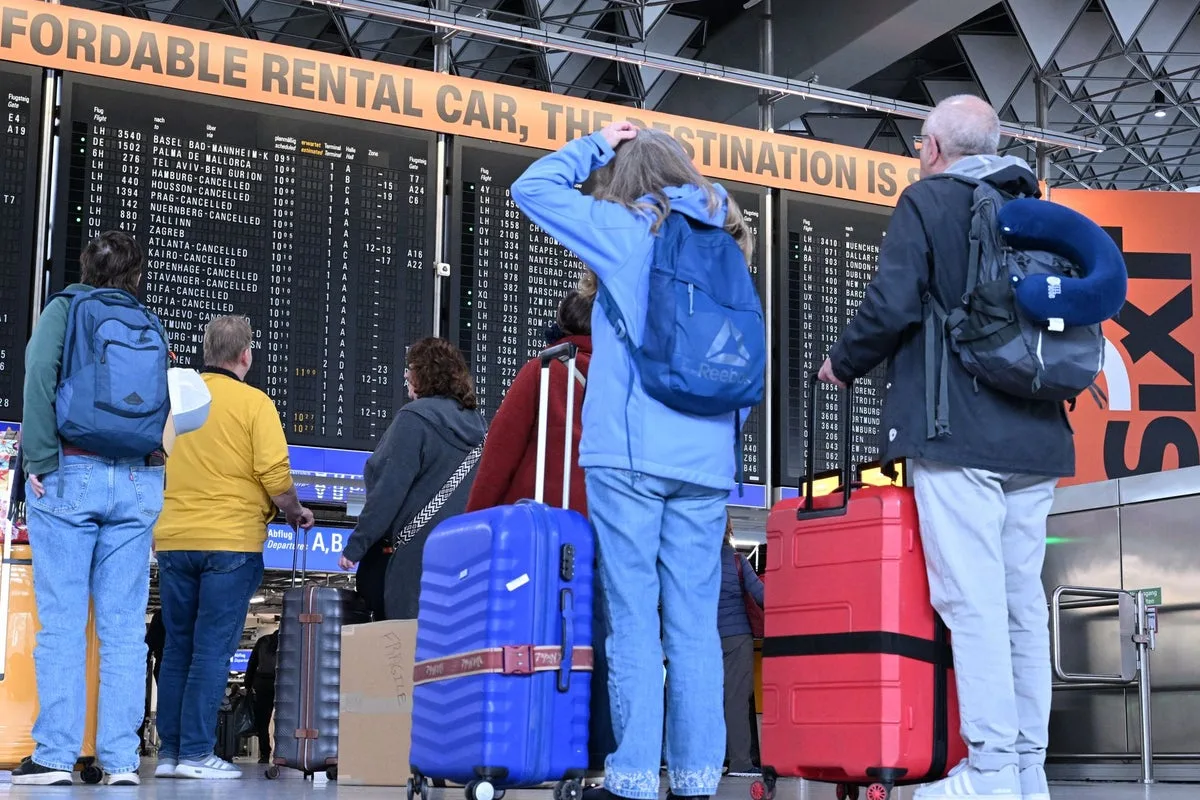
Tens of thousands of passengers across Germany faced major travel disruption on Friday as cabin crew at Lufthansa and its regional unit Lufthansa CityLine staged a day-long strike. The industrial action, organised by the UFO union, ran from midnight until 10pm local time.
Frankfurt Airport operator Fraport reported approximately 580 flight cancellations by Friday morning, impacting around 72,000 passengers. The figures cover all airlines operating at the hub, not solely Lufthansa, and were expected to evolve throughout the day. The strike also severely affected Munich, another key Lufthansa hub, while CityLine cabin crew walked out at nine airports nationwide.
Lufthansa brand chief Jens Ritter criticised the widespread industrial action as 'completely disproportionate', though UFO negotiators maintained that 'escalation was inevitable given stalled talks'. The walkout stands in sharp contrast to developments at Lufthansa City Airlines, the group's newest and smallest subsidiary, where rival union Verdi secured the carrier's first collective wage agreement covering 500 cockpit and cabin staff.
The deal, reached after marathon talks last week, will lift basic salaries by between 20% and 35% in three stages through March 2029, and includes extra days off, more vacation, improved roster planning and expanded pension support, Verdi said. The diverging fortunes of the two subsidiaries reflect a broader restructuring inside the Lufthansa Group, which plans to close CityLine by year-end and transition its feeder operations to City Airlines, founded in 2022 as a cost-efficient alternative.