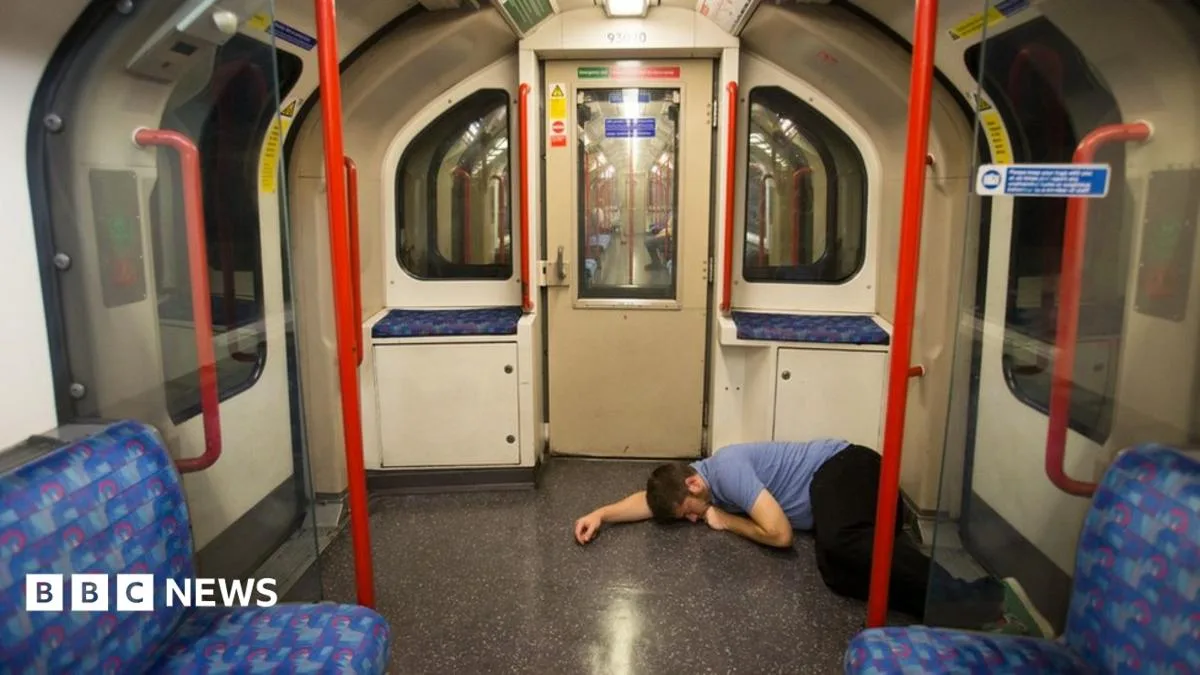
Injuries on the London Underground have increased by nearly a quarter since the introduction of the Night Tube in August 2016, new figures show. There were just over 3,000 injuries recorded in 2017, a 23% rise from 2015, with the rate per million journeys climbing from 1.83 to 2.27 – a 22% increase.
The Night Tube, which operates on Friday and Saturday nights on the Victoria, Jubilee, Central, Northern and Piccadilly lines, has been linked to the rise. Transport for London (TfL) said the Tube remains one of the safest metros globally, but the injury rate has returned to near 2013 levels, when 2.28 injuries per million journeys were recorded.
Serious injuries also rose, with 83 recorded in 2017 – a 34% increase since 2015. Some stations saw sharp spikes, including Vauxhall, where injuries quadrupled to 39. Since 2010, there have been four fatalities, excluding suicides or attempted suicides.
Caroline Pidgeon, chairwoman of London's Transport Committee, said: 'Ensuring our stations are properly staffed during every hour that trains are running has never been more important.' She noted the challenge of passengers socialising and drinking, especially since the Night Tube began. TfL runs advertising urging caution, particularly around Christmas.
Manuel Cortes of the Transport Salaried Staffs' Association argued that lower staffing levels lead to higher injury rates. TfL's Brian Woodhead said safety is the top priority, with serious accidents reduced by over 300% in a decade, and all stations staffed when services run.