
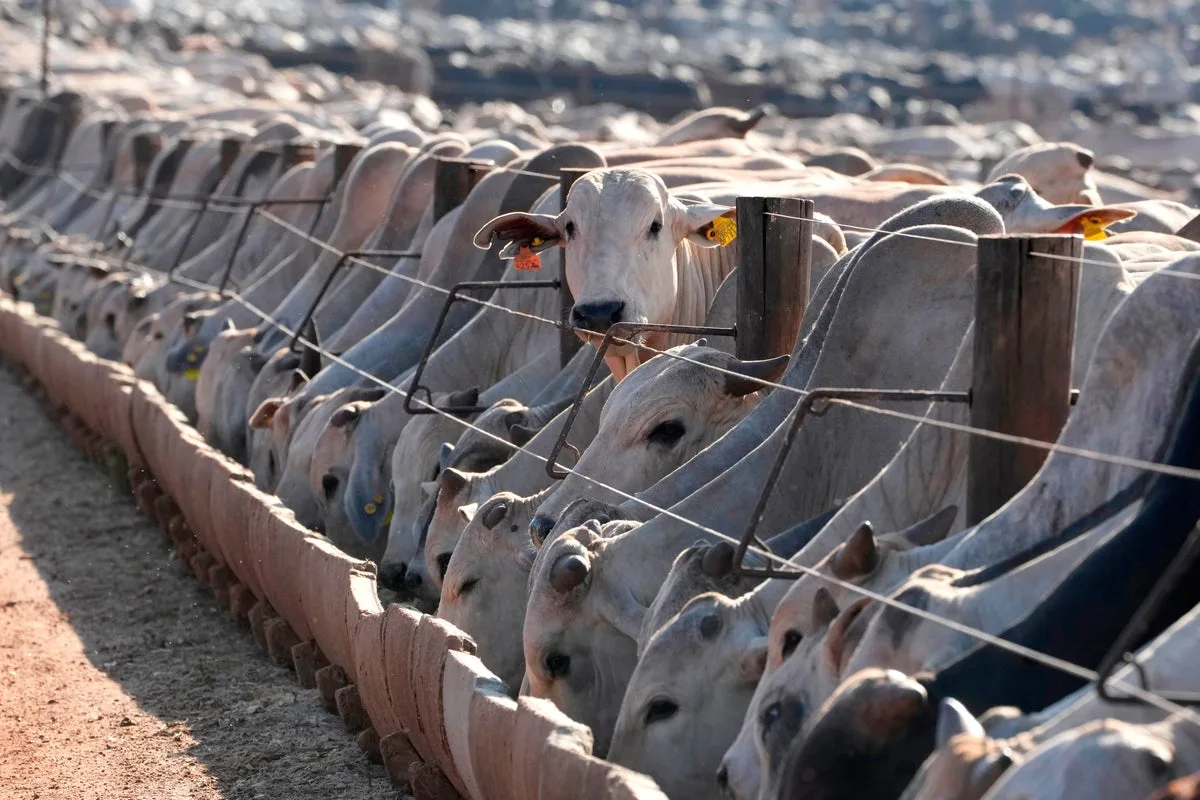
Brazil announced on Tuesday that the European Union has decided to block its animal product exports starting from September, just days after the massive free trade agreement between the South American bloc Mercosur and the EU took effect provisionally. The deal, estimated to cover a trans-Atlantic market worth $22 trillion, came into force on May 1.
The agreement, signed on January 17 and now before the European Court of Justice, has faced strong opposition from European farmers and environmental groups. They have raised concerns about unfair competition, threats to livelihoods, price pressures, and environmental standards.
Brazil's agriculture ministry expressed “surprise” at the EU's decision and said the government would seek to reverse it. According to Brazilian media, the EU claimed it had not received proof that animal products from Brazil and other countries were free of antimicrobial substances used to stimulate animal growth.
Brazil's head of mission to the EU is scheduled to meet the bloc's authorities on animal products on Wednesday “to seek explanations about the decision,” the ministry stated. EU countries were the third largest destination for Brazil's beef in 2025, after the United States and China, according to the Brazilian government's association for animal products.
The EU-Mercosur free trade agreement was provisionally enacted by European Commission President Ursula von der Leyen, effectively bypassing the European Parliament, where the deal is being challenged by EU lawmakers at the bloc's judiciary. The agreement would be halted if the European Court of Justice rules against it.




