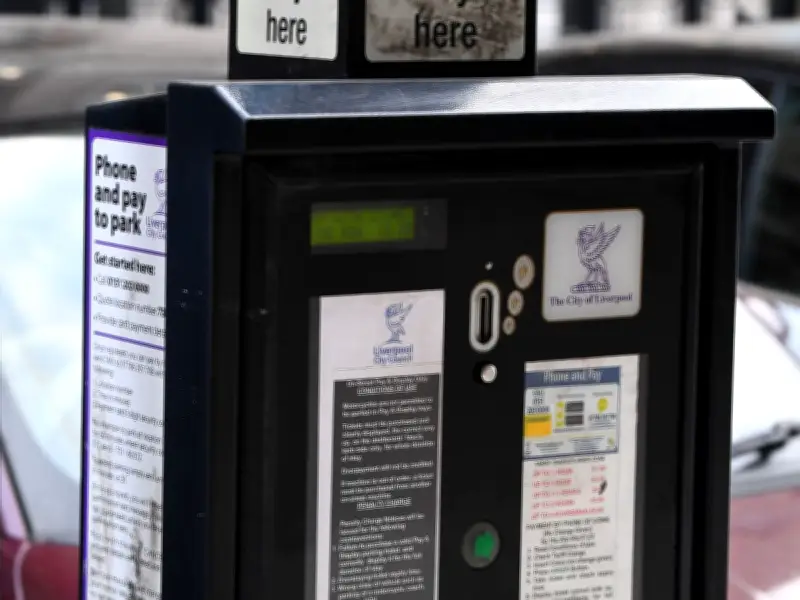
Almost a year after Liverpool Council extended parking charges in the city centre until 11pm, a legal challenge could be brought against the authority. The move, which ended free parking after 6pm, was implemented in July last year despite nearly 90% of respondents opposing it in consultation. Now, businesses led by Alfie Hincks, a former city councillor and founder of Seascope Maritime Training, are seeking to overturn the decision.
Background of the Parking Changes
The controlled parking zone (CPZ) review began in 2018, with an informal consultation in February 2022 and a statutory consultation from July to August 2023. Councillors argued the change would standardise parking across the city centre, but critics say it prioritises revenue over statutory purposes. In the first three months, over 7,000 drivers were caught out by the new hours.
Legal Grounds for Challenge
Mr Hincks and other business leaders have sought legal advice regarding potential breaches of legislation. They argue the policy has unlawfully prioritised revenue generation and failed to consider the disproportionate impact on women working in Liverpool's night-time economy. Mr Hincks stated: “We believe these parking measures risk damaging the city centre economy at a time when businesses are already facing immense pressures. Liverpool is a fantastic city with a proud business community, but policies like this risk making it harder for employers, workers and customers alike.”
Support from Opposition
The challenge is supported by Cllr Carl Cashman, leader of the Liberal Democrat opposition. He said: “As I understand it the case against Liverpool Council is around whether the council has acted lawfully and whether it properly considered the impact of these charges on the people who rely on the city centre every day. A real concern I have is the impact on women working late in the city centre. I have heard directly from many women that they make the decision to drive because they feel safer walking directly to their vehicle than relying on public transport late at night. Also the council’s policy is impacting on the lowest earners. They’re bar staff, hospitality workers and security staff – the people keeping Liverpool’s night-time economy running. Many finish work when public transport options are limited.”
Council's Response
A Liverpool Council spokesperson said: “We are satisfied that we have acted lawfully and properly. We will respond to any claim that arises but can’t comment further.”