Britons could face a 'pretty depressing' summer if jet fuel supply problems are not resolved in the coming months, a Cabinet minister has warned, as the staycation boom intensifies.
Staycation Boom Amid Rising Flight Costs
Bookings for UK holidays over the coming months are rising as concern over higher ticket prices due to surging jet fuel costs deters people from overseas travel. The closure of the Strait of Hormuz, a key shipping lane that once carried a fifth of global oil and gas, has sent oil prices soaring since the US-Israeli war on Iran began.
Some airlines have already warned they will have to raise fares to offset higher costs, while online travel firms claim the conflict is deterring holidaymakers from destinations in the Gulf and eastern Mediterranean. Meanwhile, UK hotels are capitalising on the trend.
Jet Fuel Prices Skyrocket
The jet fuel price increased from about $99 (£73) per barrel at the end of February to as high as $209 (£155) a barrel at the start of April. The latest figure stands at $185 (£137).
Chief Secretary to the Prime Minister Darren Jones has said the conflict will likely continue to raise prices for flight tickets, energy, and food in the coming months. The Government is exploring ways to offset the impact of oil prices on consumers while simultaneously seeking to secure stocks of carbon dioxide (CO2), used by breweries, to ensure an adequate supply of beer during the World Cup.
Mr Jones told the BBC: 'I raised this issue because if there is a problem with jet fuel on holidays and carbon dioxide on beer, the summer might be pretty depressing for people, but we're doing everything we can to make sure that it's not the case.'
Airlines and Government Responses
UK airlines insist they are not currently facing a jet fuel shortage because they buy it in advance and airports maintain stocks. The Government has said it is 'closely monitoring' stocks and urged people not to change upcoming travel plans. Airports will make it easier for airlines to cancel flights without losing their allocated slots if fuel shortages prevent them from flying. The Government also plans to temporarily relax laws requiring airlines to operate part-full flights from UK airports, according to The Times.
Ryanair chief executive Michael O'Leary said suppliers can guarantee supplies until May, but uncertainty remains for June. He told Aviation Week: 'At the moment the suppliers are telling us that they can guarantee supplies until May. Nobody's really sure what happens in June, but generally across Europe most of the Jet A1 is supplied from North America, West Africa and Norway. So they are growing in more confidence that there won't be fuel supply disruption.'
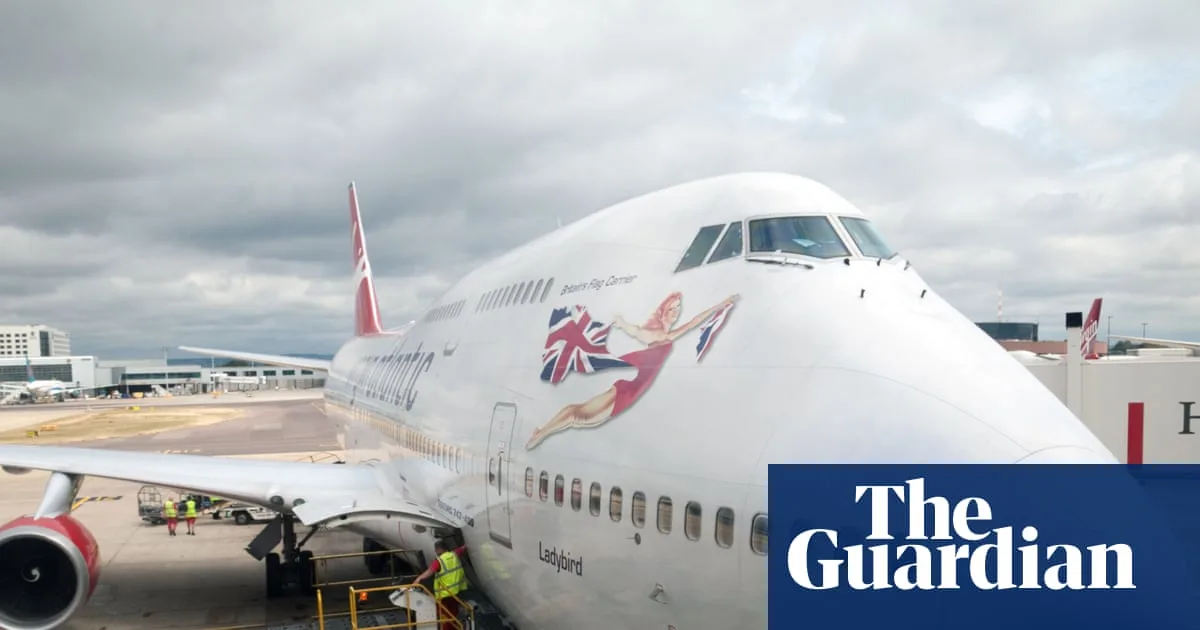
Virgin Atlantic chief executive Corneel Koster told the Sunday Telegraph: 'We have never seen jet fuel at these levels, with prices more than doubling. The industry cannot absorb increases like this.'
European Airlines Adapt
Several European airlines have taken measures to address the crisis:
- Aegean Airlines: Expects suspended Middle East flights and fuel price spikes to have a 'notable impact' on first-quarter results.
- Air France-KLM: Plans to increase long-haul ticket prices, with cabin fares rising by €50 (£43) per round trip. KLM will cancel 160 flights in Europe in May.
- EasyJet: Warned of a bigger half-year pre-tax loss of between £540m and £560m, including £25m in extra fuel costs in March.
- IAG: British Airways' owner said it does not plan to increase ticket prices immediately due to fuel hedging, but is not immune to impacts.
- Lufthansa: Will remove 20,000 short-haul flights from its schedule through October, grounding 27 planes earlier than planned.
- Ryanair: Cautiously optimistic about fuel supply through May, June, and July, but uncertainty remains if the war continues.
- SAS: Canceled 1,000 flights in April due to high oil and jet fuel prices.
- TAP: Price hikes will partially mitigate fuel cost impacts.
- TUI: Cut full-year profit outlook and suspended revenue guidance due to €40m in extra costs in March.
- SunExpress (Turkish Airlines/Lufthansa joint venture): Imposing a temporary fuel surcharge of €10 per passenger from May 1 on routes between Turkey and Europe.
- Virgin Atlantic: Adding fuel surcharges but will still struggle to return to profitability this year.
- Volotea: Introduced a pricing policy linking ticket prices to fuel costs, potentially adding a post-purchase surcharge of up to €14 per passenger per flight.
Impact on UK Staycations
In the UK, bookings for staycations this summer are soaring. Airbnb reports a 15% rise in searches for UK breaks compared to last year. Northumberland, Pembrokeshire, and the Derbyshire Dales are among the most popular lesser-known destinations. Bookings at Haven holiday parks were up 10% over Easter compared to last year, while Sykes Holiday Cottages reported an 18% rise over the same period.
UK Hospitality chief executive Allen Simpson said: 'As we head towards the busy summer season, holiday parks, hotels and B&Bs are reporting increased interest in staycations and the great British holiday, as international travel continues to remain uncertain.'
Giles Fuchs, owner of the Burgh Island Hotel in Devon, said: 'Rising jet fuel prices have had a clear knock-on effect on the cost of overseas travel. Conversations with recent guests have confirmed what the numbers suggest - that traditionally they would have chosen destinations like the south of France or the Middle East, but instead chose the English coast to avoid those soaring flight costs.'
Broader Implications
The International Energy Agency (IEA) previously said physical jet fuel shortages could start in June due to the prolonged blockage of the Strait of Hormuz. In the US, a group of budget airlines including Frontier and Avelo is seeking $2.5bn (£1.85bn) in government assistance. Meanwhile, Nigeria's Dangote oil refinery has ramped up jet fuel exports to Europe, with European imports from Nigeria averaging 78,000 to 96,000 barrels per day in April, the highest on record.
A statement from the UK's Department for Transport said: 'There is no current need to change upcoming travel plans. Since the closure of the Strait of Hormuz, we have been closely monitoring UK jet fuel stocks and working with airlines, airports and fuel suppliers to ensure passengers keep moving and businesses are supported.'
The Prime Minister will chair another meeting of the Middle East Response Committee, while a contingency planning group led by Mr Jones meets twice a week.






