Jet Fuel Crisis Threatens Mediterranean Holidays as EU Border Chaos Worsens
Jet Fuel Crisis Threatens Holidays as EU Border Chaos Worsens

Jet Fuel Crisis Threatens Mediterranean Holidays as EU Border Chaos Worsens

Holidaymakers planning trips to Mediterranean hotspots could face severe disruption this summer as a deepening jet fuel crisis converges with chaotic new EU border controls. Experts warn that airports in Spain, Greece, and Italy are particularly vulnerable due to their reliance on Middle Eastern supplies and limited fuel reserves.

Strait of Hormuz Blockade Sparks Fuel Shortage Fears

Jet fuel prices have skyrocketed since Iran began blocking the Strait of Hormuz on February 28, effectively closing a crucial shipping route that handles approximately 20 percent of global oil and liquefied natural gas supplies. The waterway remains closed due to ongoing safety concerns, including potential undersea mines, while former US President Donald Trump has initiated his own blockade of Iranian ports.

European airports have issued warnings that they are merely three weeks away from experiencing systemic jet fuel shortages if the Strait does not fully reopen. Mediterranean leisure airports operating with thin fuel buffers could be hit hardest, while Asian airports also face vulnerability due to their dependence on Gulf supplies.

Wide Pickt banner — collaborative shopping lists app for Telegram, phone mockup with grocery list

EU Border System Creates Travel Chaos

Compounding the fuel crisis, passengers across Europe are struggling with the rollout of the EU's new Entry/Exit System (EES). This system requires travellers from third-party countries, including the UK, to provide fingerprints and photographs upon entering the Schengen area, with additional checks upon departure.

The Airports Council International (ACI) has reported very bad delays at airports in 15 European countries, with passengers at regional airports and major hubs in France, Germany, Belgium, Italy, Spain, and Greece facing waits of up to three hours at border controls. In Milan's Linate airport, passengers were left vomiting and passing out after enduring three-hour queues in heatwave conditions.

Olivier Jankovec, director of ACI Europe, told the Financial Times: "This situation, in the coming weeks and certainly over the peak summer months, is going to be simply unmanageable. We are seeing those queueing times now, at peak times, when traffic is just starting to build up."

Airlines Implement Surcharges and Route Cuts

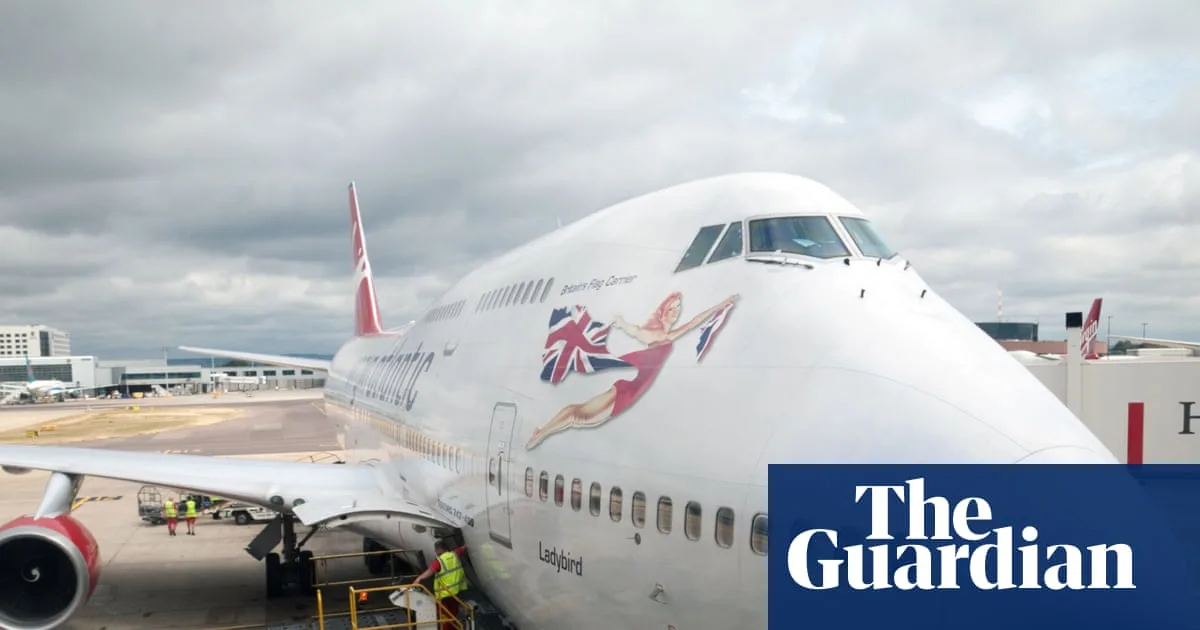
Major airlines are already responding to the crisis with significant price increases and operational changes. Virgin Atlantic has imposed an extra £50 fuel surcharge on economy tickets, with premium economy and business class fares rising by £180 and £360 respectively. The airline's chief executive, Corneel Koster, warned that the failure of US-Iran peace talks spells continued price increases for travellers throughout the year.

Koster predicted that demand for economy seats would weaken relative to business class as the Middle East crisis tightens consumer budgets. While Virgin Atlantic has avoided major route cuts beyond cancelling winter services to Dubai and Riyadh, the airline is carefully monitoring weaker routes to avoid financial losses.

Lufthansa CEO Carsten Spohr has warned that jet fuel supplies will remain constrained and expensive throughout the year, potentially leading to grounded aircraft. "Kerosene will remain in short supply and therefore more expensive for the rest of the year," Spohr told German newspaper Frankfurter Allgemeine Zeitung.

European Dependence on Middle Eastern Fuel

The UK's particular vulnerability stems from its heavy reliance on Middle Eastern jet fuel, with Kuwait supplying four million tons annually to Britain. However, attacks on Kuwait's Mina Al-Ahmadi refinery mean that even if the Strait of Hormuz reopens, supply may not meet demand.

European Commission spokeswoman Anna-Kaisa Itkonen acknowledged that while no current fuel shortages exist in the EU, "supply issues could occur in the near future in particular for jet fuels. That remains our primary concern."

The International Energy Agency reports that Europe depends on the Middle East for 75 percent of its net jet fuel imports. If Europe can only replace 50 percent of these imports, fuel stocks could drop below critical levels by June, potentially causing physical shortages at select airports.

Pickt after-article banner — collaborative shopping lists app with family illustration

Global Impact and Industry Response

Globally, jet fuel and kerosene demand averaged 7.8 million barrels per day in 2025, with Gulf exports representing the largest source to international markets. The conflict has disrupted Asia-Europe routes that traditionally relied on Gulf hubs, while doubled jet fuel prices are severely impacting airline profitability.

Since US-Israeli strikes began against Iran, carriers worldwide have increased airfares, introduced fuel surcharges, and cut routes. Qantas has delayed a planned share buyback due to volatile fuel prices, while South Korea's T'way Air plans to furlough cabin crew without pay in May and June.

UBS analyst Jarrod Castle noted: "Despite the pause in the conflict, we remain concerned about jet kerosene supply and price increase," adding that December jet kerosene futures prices remain more than 50 percent higher year-on-year.

With fuel typically representing airlines' second-largest cost after labour, accounting for approximately 27 percent of operating expenses, the industry faces significant challenges. Prices have more than doubled since the conflict began, far exceeding the roughly 50 percent increase in crude oil prices before the ceasefire.

Rory Boland, editor of Which? Travel, advised concerned travellers to book package holidays that offer refund protection if flights are cancelled, while warning that EES-related delays could worsen significantly during peak summer months.