Heathrow Completes £1bn Security Upgrade: New Scanners Ease 100ml Liquid Rules
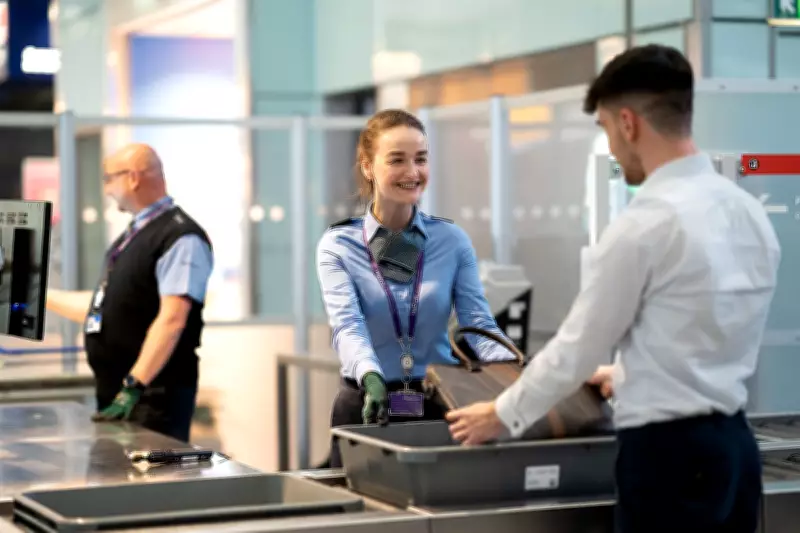
Passengers at London Heathrow Airport can now experience a transformed security process, following the completion of a massive £1bn upgrade to scanning technology. The most significant change allows travellers to leave laptops, tablets, and liquids inside their cabin baggage where the new computed tomography (CT) scanners are operational. This development marks a substantial shift from the restrictive 100ml liquid limit that has defined airport security for nearly two decades.
The End of an Era for 100ml Restrictions
For many airline passengers, the security checkpoint represents the most stressful part of any journey. Worldwide, approximately half a million people pass through airport security every hour, with Heathrow alone processing around 7,000 passengers hourly. The longstanding resentment towards liquid, aerosol, and gel (LAG) restrictions, alongside the requirement to remove electronics from hand luggage, may finally be easing at major UK hubs.
The original liquids rules were introduced hastily in 2006 as a "temporary measure" following the uncovering of a terror plot targeting transatlantic flights from Heathrow. Despite repeated government promises to relax these restrictions, they remained firmly in place across most global airports. In 2019, Boris Johnson pledged that major UK airports would ease the rules by 2022, allowing larger quantities and eliminating separate scanning. Rishi Sunak's government later extended this deadline to 1 June 2024.

Technological Advancements Driving Change
The key to this transformation lies in modern CT scanners, which utilise the same technology as medical scanners to analyse the molecular structure of baggage contents. These advanced machines can detect potential threats while presenting security officers with detailed three-dimensional images. They enable thorough analysis of electronic devices without requiring their removal and allow liquids in containers up to two litres to pass through security.
Heathrow's chief executive, Thomas Woldbye, emphasised the benefits: "Every Heathrow passenger can now leave their liquids and laptops in their bags at security as we become the largest airport in the world to roll out this technology. That means less time preparing for security and more time enjoying their journey – and millions fewer single-use plastic bags."
A Patchwork of Regulations Across UK Airports
Despite Heathrow's progress, passengers should not assume uniform rules across all UK airports. The Department for Transport (DfT) has been granting permission to individual airports that satisfy inspectors, leading to a varied landscape of regulations:
- Birmingham Airport was the first major hub to relax rules, urging passengers to leave all items in cabin bags
- Edinburgh Airport followed, with chief executive Gordon Dewar calling it "a momentous day"
- Gatwick Airport, the UK's second-largest, now allows containers up to two litres
- Manchester Airport, despite having new scanners installed, still maintains the 100ml limit pending DfT approval
The situation became particularly complex in June 2024 when the DfT unexpectedly ordered airports with new equipment to temporarily restore the 100ml limit. This "temporary move" was intended to enable further improvements to checkpoint systems, highlighting ongoing challenges with false alarms and detection accuracy.
Global Inconsistencies and Practical Advice
Travellers face significant variations in security regulations worldwide. Within Europe, only Dublin and Rome currently allow liquids up to two litres among the continent's ten busiest hubs. The European Union reverted to the 100ml limit at all airports from September 2024 due to concerns about new equipment.
For duty-free purchases, passengers face particular complexities when connecting through different airports. While some hubs allow sealed "secure tamper-evident bags" through security, many travellers report losing expensive purchases at connection points. The UK Travel Retail Forum notes that over 60 countries have arrivals duty-free stores, offering potential solutions for careful planners.

The Future of Airport Security
Looking ahead, the aviation industry aims to move beyond current limitations. The International Air Transport Association has described the prevailing security situation as "no longer sustainable" and has been working on "Smart Security" initiatives for over a decade. The ultimate goal involves creating seamless passenger experiences where technology assesses threats more effectively than current human-focused systems.
However, as the 2024 reversals at UK and EU airports demonstrate, significant challenges remain. The United States continues to maintain its 100ml limit (3.4 ounces) despite installing new scanners, and global conformity remains elusive. For now, passengers are advised to always assume old rules apply unless they have confirmed specific airport policies, ensuring smoother journeys through increasingly sophisticated but varied security landscapes.