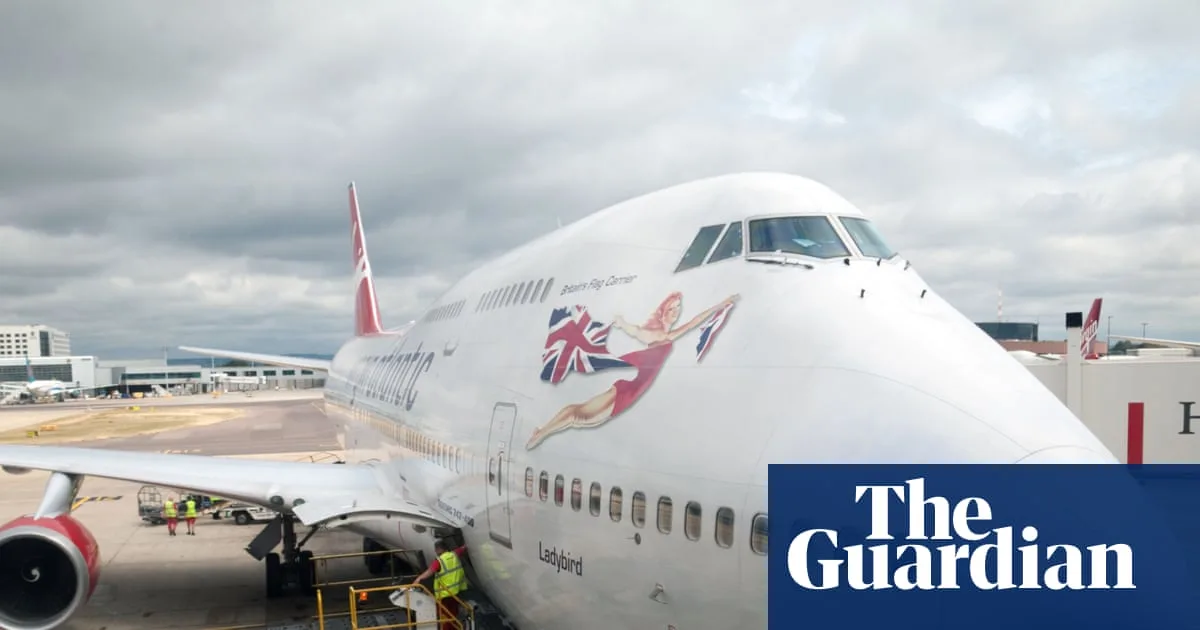
Heathrow Flights Cancelled Amid Middle East Conflict Fuel Shortage
Heathrow Flights Cancelled Amid Middle East Fuel Shortage

Heathrow Flight Cancellations Spark Travel Chaos Amid Middle East Conflict

Travellers at Heathrow Airport's Terminal 4 were met with widespread flight cancellations to Middle Eastern destinations on 2 March 2026, as the ongoing US-Israel conflict with Iran triggers severe jet fuel shortages. Photographs captured by Isabel Infantes for Reuters show anxious passengers checking departure boards, highlighting the immediate impact of geopolitical tensions on global travel. This disruption comes amid warnings of a potential summer of travel misery, exacerbated by the European Union's new entry-exit system, which could lead to prolonged border queues and missed flights for Britons and non-EU nationals.

Fuel Supply Crisis and Border Delays Threaten Summer Holidays

The closure of the Strait of Hormuz following the outbreak of war in late February has severely disrupted oil supplies, causing jet fuel prices to surge. Oil prices jumped from $72 per barrel before the conflict to a high of $119 in March, though they fell to $89 after Iran announced a temporary ceasefire in Lebanon. The Airports Council International Europe has issued a stark warning, stating that unless stable fuel supply resumes within three weeks, shortages will become inevitable, leading to flight cancellations possibly starting from May. Susannah Streeter, chief investment strategist at Wealth Club, emphasises that leisure flights are at particular risk if carriers cannot secure alternative fuel sources.

Simultaneously, the EU's new entry-exit system is causing significant delays at passport control across many European airports. Reports indicate queues lasting up to three hours, with some passengers missing their flights as a result. This combination of fuel shortages and border bottlenecks poses a dual threat to summer travel plans, prompting concerns over widespread holiday disruptions.

Wide Pickt banner — collaborative shopping lists app for Telegram, phone mockup with grocery list

Understanding Your Rights When Flights Are Cancelled

If your flight is cancelled, your entitlements depend on the departure and arrival points, as well as the airline involved. For flights departing from or arriving into UK or EU airports on UK or European airlines, passengers must be offered a refund or an alternative flight. Additionally, if the cancellation occurs less than two weeks before departure, compensation may be due, with amounts varying based on travel distance. Jane Hawkes, a consumer rights commentator, notes that in fast-changing situations like fuel shortages, airlines might cancel on the day of departure, providing limited warning to travellers.

In cases where passengers are stranded, airlines are obligated to provide meals, transport, and accommodation until they can be flown to their destination. For those on airlines not covered by UK and EU regulations, it is crucial to review the terms and conditions, as policies on refunds and compensation can differ widely.

Protections for Package Holidays and Independent Bookings

Package holiday travellers benefit from robust protections under the Package and Linked Travel Arrangements regulations. If a flight is cancelled, the travel operator must offer an alternative holiday of equivalent value or a full refund. Rory Boland, editor of Which? Travel, highlights that these regulations also ensure providers are responsible for repatriating travellers if return flights are disrupted. However, holiday providers can impose surcharges of up to 8% due to fuel price increases, with details typically outlined in the terms and conditions. Exceeding this threshold allows customers to cancel with a full refund.

For those who book flights and accommodation separately, the situation is more complex. While cancelled flights entitle passengers to refunds or alternative flights, there is no automatic right to claim refunds for hotels or other expenses. Matt Gatenby, a partner at Travlaw, advises that travel insurance may cover such costs, but policies vary, necessitating careful review of terms. Travel insurance serves as a safety net for non-flight expenses, as airlines generally do not cover knock-on costs like hotel bookings.

Pickt after-article banner — collaborative shopping lists app with family illustration

Credit Card Protections and Booking Strategies

Purchasing flight tickets with a credit card offers additional security under Section 75 of the Consumer Credit Act, which holds card providers jointly liable for breaches of contract for purchases over £100. However, this should be considered a last resort, as airlines typically fulfil their refund obligations. It is important to note that Section 75 does not cover accommodation costs if flights are cancelled, as hotels can still honour bookings independently.

For future bookings, adopting a comprehensive approach is recommended. Jane Hawkes suggests booking package holidays with a credit card and securing extensive travel insurance. When booking accommodation separately, opt for flexible cancellation policies, even if they incur extra costs. Additionally, travellers should prepare for potential delays at European airports due to the new entry-exit system, as airlines are unlikely to offer free rebooking or compensation for missed flights caused by border queues.

Airline and Airport Considerations Amid Uncertainty

In this volatile environment, passengers may prefer airlines with strong financial stability, as most major carriers are hedged against fuel price shocks. Larger hub airports like Heathrow or Barcelona often have multiple fuel sources, such as pipelines and trucks, potentially offering more resilience. These airports may also provide more flight options, increasing the likelihood of rebooking cancelled passengers. Within Europe, airlines might mitigate shortages by tankering fuel for return trips, though this strategy may not be feasible for long-haul routes, where some Asian countries are already reporting supply issues.

Regarding booking timing, while early bookings typically offer the cheapest fares, few bargains remain for popular summer destinations. Analysts speculate that airlines may discount flights if consumer anxiety leads to reduced bookings. Ultimately, travellers are advised to stay informed, review their rights thoroughly, and consider flexible booking options to navigate the anticipated summer travel chaos effectively.