Summer Travel Chaos Looms as Fuel Shortages and Border Delays Threaten European Holidays
Fuel Shortages and Border Delays Threaten Summer European Holidays

Summer Travel Chaos Looms as Fuel Shortages and Border Delays Threaten European Holidays

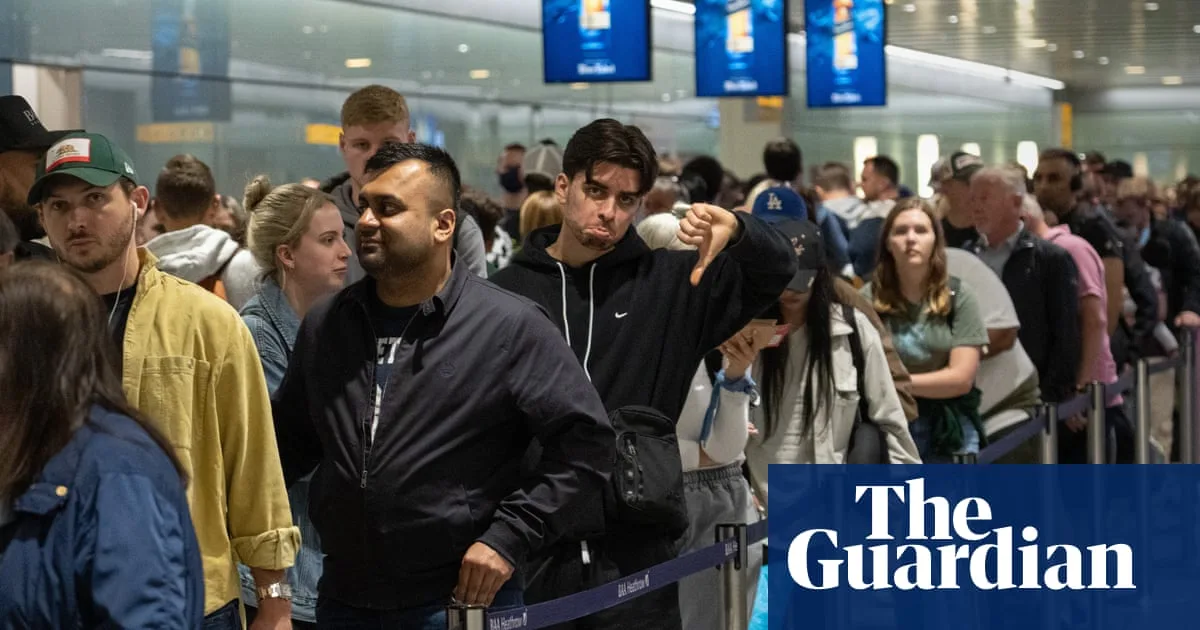
Holiday flights to Europe have continued to grow despite persistent long airport queues, but summer 2026 threatens to bring fresh anxieties for travellers. Passengers face risks of cancellations due to fuel shortages and extended border checks, raising concerns about a season of travel chaos.

Fuel Supply Fears and Potential Flight Disruptions

Legacies of Brexit mean longer border checks for Britons and most non-EU nationals entering much of Europe. Simultaneously, the US-Israel war on Iran has sparked fears that airlines may not have sufficient fuel for every scheduled flight. The Strait of Hormuz, through which a fifth of global oil and gas exports typically flow, remains a critical chokepoint.

Some airlines and industry leaders have warned of fuel surcharges and potential cancellations by late summer if the strait does not fully reopen. Others, including easyJet, assert there are no immediate concerns about jet fuel shortages. Forecasts depend heavily on the war's progression, ceasefire stability, and unimpeded shipments from the Gulf.

Wide Pickt banner — collaborative shopping lists app for Telegram, phone mockup with grocery list

The International Energy Agency has cautioned that Europe has only six weeks' supply of jet fuel left before shortages impact flights. Fatih Birol, the IEA's executive director, indicated that flight cancellations could occur soon if Middle East oil supplies are not restarted within weeks. Recent hopes were revived after Iran's foreign minister announced Hormuz would open during a 10-day ceasefire in Lebanon, causing oil prices to drop, but stability remains uncertain.

Airlines' Responses and Contingency Measures

Airlines have maintained that supplies remain unaffected, though soaring fuel costs may lead to more expensive travel. According to Airlines UK, British carriers are not currently seeing disruption, partly due to diverse supply sources. However, airlines are lobbying the government for contingency measures, such as relaxing "use it or lose it" airport slot rules, similar to changes made during the Covid pandemic.

Kenton Jarvis, CEO of easyJet, stated they have visibility to mid-May with no concerns, while Michael O'Leary of Ryanair warned of cancelling up to 10% of late summer flights if shipping does not normalise quickly. Transport analysts, like Andrew Lobbenberg of Barclays, question airlines' transparency, suggesting fewer flights and voluntary cuts later in the year due to fuel prices.

Impact on Passengers and Booking Confidence

Most of Europe's jet fuel originates from the Gulf, with the UK heavily reliant on Kuwait. Analysts note that Europe can source from other regions like the US, but prolonged disruption could lead to higher fares and route cuts. Short-haul routes by low-cost carriers are particularly vulnerable due to tight profit margins sensitive to fuel costs.

Costs will hit "unhedged" airlines hardest—those without pre-ordered fuel at constant prices. EasyJet, with 70% of its fuel locked in at $700 per metric tonne, anticipates a £40m hit for every $100 rise in kerosene prices. Virgin Atlantic has implemented a fuel surcharge starting from £50 in economy on long-haul flights, though European carriers may struggle to pass costs to hesitant customers.

Aviation consultant John Strickland advises that most passengers can book with confidence, as airlines will employ contingency planning. Short-haul flights can mitigate local shortages via "tankering," carrying extra fuel, making European destinations safer than some Asian or African routes. However, weaker airlines with fewer resources may face greater risks.

EU Entry-Exit System Delays and Border Queues

Confusion surrounds the EU's new Entry-Exit System (EES), which should now collect biometric data—fingerprints and photographs—from applicable visitors after the 10 April implementation deadline passed. Immigration queues of up to three hours have been reported across Europe, with over 100 easyJet passengers stranded in Milan recently due to passport control delays.

Pickt after-article banner — collaborative shopping lists app with family illustration

For most visitors, EES checks occur on arrival in Europe, but those travelling from Britain to France complete them pre-travel at juxtaposed borders. Kiosks at London St Pancras, Folkestone, and the Port of Dover remain inactive pending French technical approval, with wet-stamping of passports continuing. The system aims for speedier, secure borders but currently causes significant disruptions.

A European Commission spokesperson acknowledged needs for fixes at some border points, emphasising member states' responsibility for implementation. They noted the rollout is progressing well with flexibility to ensure border fluidity for the summer season.

In summary, holidaymakers must navigate dual threats of fuel-related flight uncertainties and prolonged border checks, potentially marring the summer travel experience across Europe.




