

Fuel Crisis Reshapes Australian Easter Travel Plans
The escalating fuel crisis, intensified by the US-Israel war on Iran, is compelling Australians to rethink their Easter holiday traditions. With petrol and diesel prices soaring, many are abandoning road trips in favour of electric vehicles, public transport, and staycations, marking a significant shift in the nation's travel habits.
Surge in Electric Vehicle Adoption
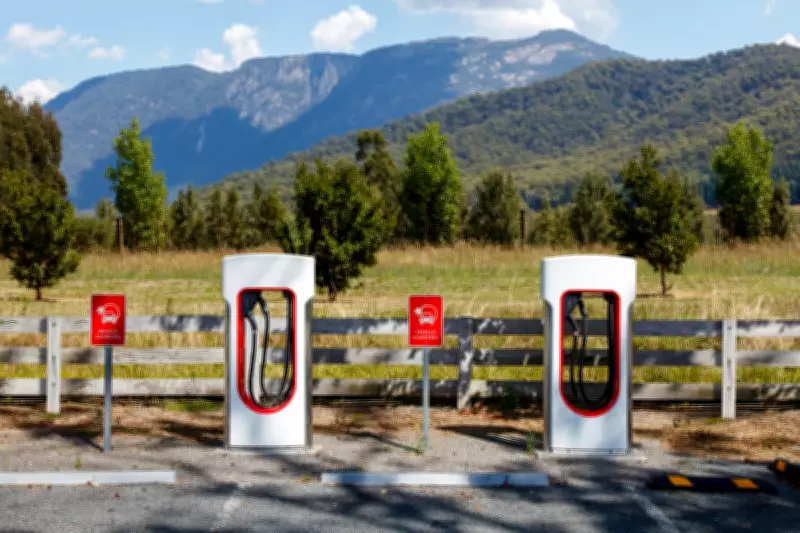
Sales of electric vehicles have surged across Australia since the conflict began, as consumers seek fuel-free alternatives. Car rental companies report a spike in interest, highlighting a growing preference for sustainable travel options. Despite a recent reduction in fuel excise tax announced by Prime Minister Anthony Albanese, prices remain elevated, driving this trend.
Claire Harvey, a Melbourne aged care worker, exemplifies this shift. Her planned drive to Adelaide in an electric vehicle will cost under $75 each way, compared to approximately $183 in her previous fuel-efficient car. "I'm navigating range anxiety instead of astronomical petrol prices," she notes, emphasising careful planning around charging infrastructure.

Public Transport Gains Popularity
Long-haul train services are experiencing a boom, with data from NSW TrainLink showing an 11% overall increase in patronage in March compared to February. Specifically, train trips rose by 15%, while services between Sydney and Brisbane saw a 36% jump, and Sydney to Melbourne routes increased by 19%.
Daniel Bowen of the Public Transport Users Association advises that trains and coaches can be viable alternatives, particularly for intercity travel. "It really depends where you're traveling to and if there's a viable option," he says, noting that suburban trains in cities like Melbourne offer access to national parks and other destinations.
Embracing Local Tourism and Staycations
For those opting to stay home, the focus is on becoming "tourists in their own community." Cathie Warburton, CEO of the Australian Library and Information Association, encourages exploring free local events and activities, especially as libraries and councils host Easter programs. "There's more happening in your local area than you're probably aware of," she remarks.
Natalia Kozlov, a lawyer from Coffs Harbour, cancelled her $800 accommodation booking to avoid an additional $2,000 in diesel costs. She plans to engage in bushwalks, beach visits, and other free activities locally. Similarly, Lisa Petherick from Warrnambool has postponed a caravanning adventure due to fuel concerns, opting instead for regional tourism to support local economies.
Economic and Social Impacts
The fuel crisis is not only altering travel plans but also highlighting broader economic pressures. Kozlov reflects on the privilege of her situation, stating, "For the first time, I'm really noticing the money leaving our bank account." Prime Minister Albanese has urged Australians to use public transport and avoid over-fuelling, acknowledging the crisis's impact on traditional Easter road trips.
With an estimated 600,000 additional cars typically on regional roads in April, the shift towards alternative travel methods could alleviate some pressure on fuel supplies and infrastructure. However, as Professor Graham Currie of Monash University points out, public transport access remains limited in many regional and rural areas, posing challenges for some travellers.
This Easter, Australians are demonstrating resilience and creativity in the face of adversity, redefining holiday travel through sustainable and community-focused approaches.






