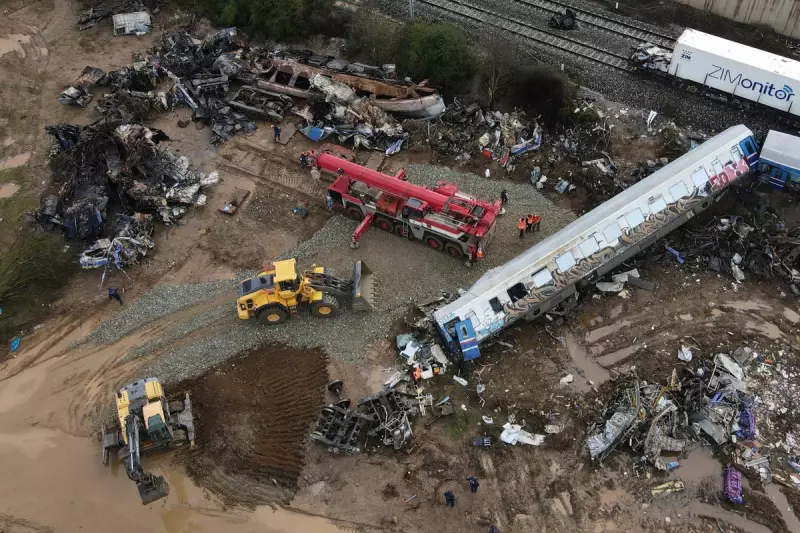
A catastrophic train collision near Cordoba, Spain, has left at least 39 people dead and more than 120 injured, with investigators focusing on a broken rail joint after prior safety warnings.
Union Warned of Deteriorating Tracks Months Before Disaster
The tragedy occurred on Sunday, 18 January 2026, when an Iryo high-speed train derailed and smashed into an oncoming Alvia service. The force of the impact pushed the second train into an embankment. Spanish rail infrastructure manager ADIF had been alerted to dangerous track conditions over a year earlier by the SEMAF train drivers' union. The union specifically highlighted "severe wear and tear" on high-speed lines, including the very section where Sunday's disaster unfolded.
Faulty Fishplate at Heart of the Investigation
Initial findings from the crash site point to a critical failure of a rail joint, known as a fishplate. Experts examining the wreckage believe this component had been faulty for a significant period and was a direct contributor to the initial derailment. The circumstances have left specialists puzzled, with Spain's Transport Minister, Óscar Puente, characterising the accident as "tremendously strange".

In response to the carnage, Spanish Prime Minister Pedro Sanchez has committed to a "thorough and absolutely transparent" investigation to determine the precise chain of events and failures that led to one of the country's worst rail accidents in recent years. The probe will scrutinise maintenance records, inspection protocols, and the specific warnings raised by the SEMAF union.
A Nation Mourns as Safety Questions Mount
The disaster has sent shockwaves through Spain and across Europe's rail industry, raising urgent questions about infrastructure maintenance and safety oversight on high-speed networks. As emergency services concluded the search for survivors, the focus turned to the families of the victims and the ongoing official inquiry. The revelation of prior warnings will undoubtedly form a central part of the investigation, as authorities seek to provide answers and ensure such a tragedy cannot be repeated.