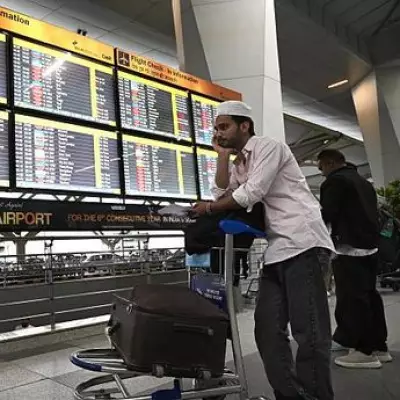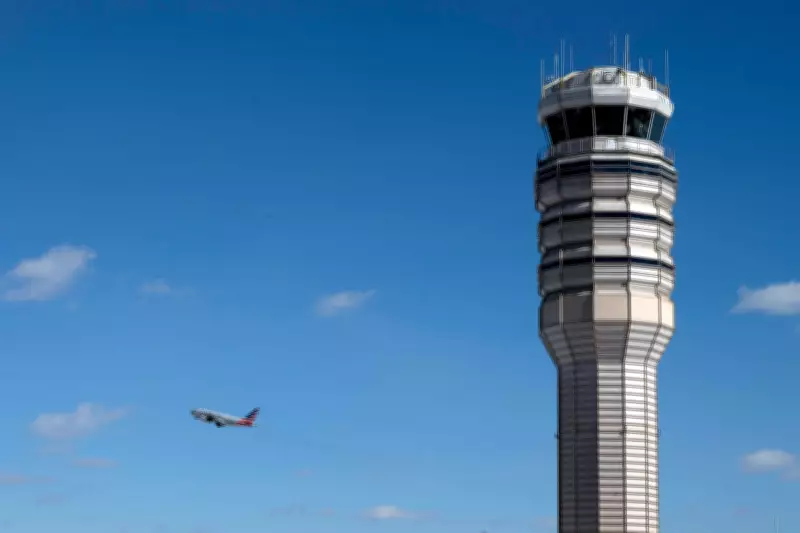
Grieving families and influential senators are intensifying pressure on Congress to enact critical aviation safety reforms in the wake of a devastating midair collision near Washington, D.C. The tragedy, which claimed 67 lives when an American Airlines jet collided with an Army helicopter, has reignited demands for mandatory advanced aircraft locator systems that experts have advocated for nearly two decades.
Senate Hearing Highlights Safety Recommendations
The Senate Commerce Committee convened a hearing on Thursday to examine why the National Transportation Safety Board's recommendations from 2008 remain unimplemented. These recommendations call for all aircraft to be equipped with both broadcast and receiving systems for Automatic Dependent Surveillance-Broadcast technology. Currently, only the broadcast component is required.
The hearing reviewed all fifty NTSB recommendations aimed at preventing another catastrophe like the January 29, 2025 collision. That disaster saw both aircraft plummet into the icy Potomac River after impact, killing everyone aboard including twenty-eight members of the figure skating community traveling from Wichita, Kansas.

The ROTOR Act and Legislative Hurdles
While the Senate has unanimously approved legislation requiring both ADS-B systems around busy airports, House committee leaders appear inclined to develop their own comprehensive bill addressing all NTSB recommendations rather than immediately passing the proposed ROTOR Act.
NTSB Chairwoman Jennifer Homendy, who served as the sole witness at the hearing, emphasized that existing collision-avoidance systems provided pilots with merely nineteen seconds of warning. Advanced receiving systems could have extended this to nearly a full minute with precise positional data.
"If those recommendations had been fully realized, this accident wouldn't have happened," said Tim Lilley, a pilot whose son Sam perished as copilot of the airliner. "I don't know what value we put on human life, but sixty-seven lives would still be here today."
Technological Gap and Cost Concerns
The collision revealed critical technological shortcomings. While ADS-B out systems that broadcast aircraft location have been mandatory since 2020, ADS-B in systems that receive this data and display surrounding air traffic remain optional. Investigators confirmed the helicopter's broadcast system was neither activated nor functioning correctly during the fatal flight.
Cost considerations present significant obstacles to implementation. Upgrading older commercial jets could require investments reaching hundreds of thousands of dollars, potentially straining regional airlines operating with narrow profit margins. However, approximately seventy-five percent of business jet and small aircraft pilots already utilize portable devices costing several hundred dollars that can display nearby aircraft data.
"This seems like a no-brainer, right? Especially when this is not a new thing that they're proposing," remarked Amy Hunter, who lost her cousin Peter Livingston along with his wife and two young daughters in the crash.
Olympic Dreams Unfulfilled
For families of the victims, recent weeks have been particularly painful with the crash anniversary coinciding with Olympic competitions. Young victims like Everly and Alydia Livingston will never realize their aspirations of competing for gold medals, adding emotional weight to safety advocacy efforts.
Following the tragedy, the Federal Aviation Administration implemented several changes including prohibiting helicopters from flying along the collision route when planes are landing on Reagan National Airport's secondary runway. Yet families and lawmakers argue more substantial systemic reforms are urgently needed to prevent future disasters.