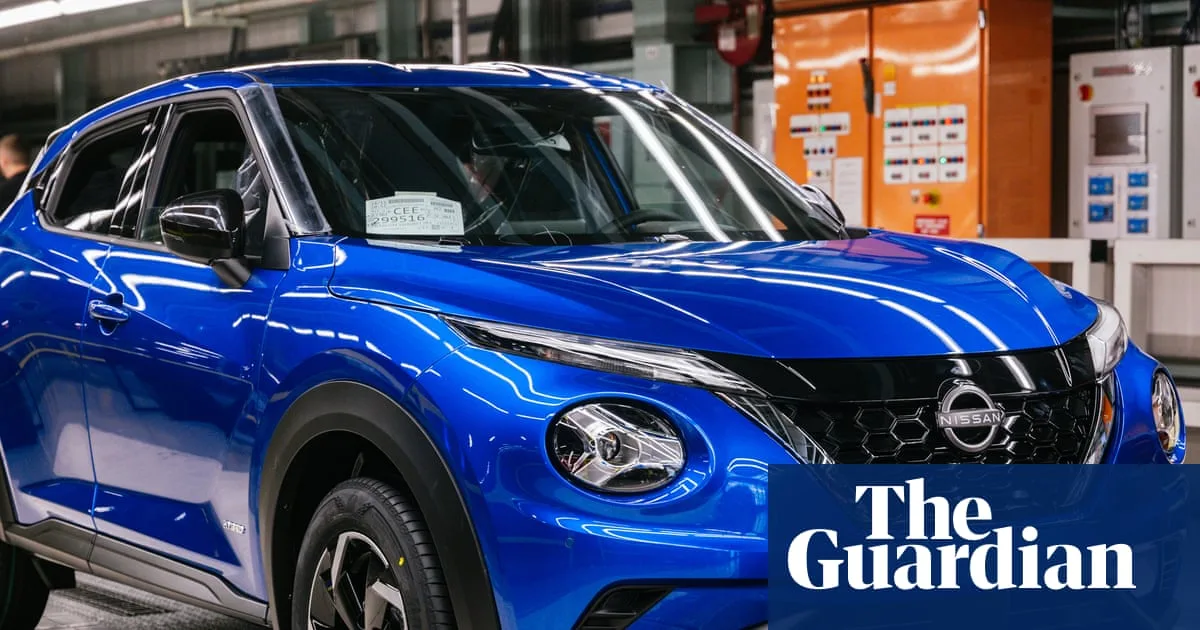
The UK government is expected to water down its 2030 targets for electric vehicle sales following intense lobbying by car manufacturers and unions. Prime Minister Keir Starmer is reportedly backing Business Secretary Peter Kyle in weakening the zero-emission vehicle (ZEV) mandate, overruling Energy Secretary Ed Miliband's push to maintain stricter net-zero goals.
Under the proposed changes, the requirement for pure battery electric cars to make up 80% of new sales by 2030 could be reduced to 50%, allowing hybrid vehicles to fill the gap. The 2030 ban on new petrol and diesel cars would remain, but hybrids would account for a larger share. The 2035 deadline for phasing out new hybrids is expected to stay unchanged.
The ZEV mandate, introduced by the Conservatives in 2023, requires carmakers to increase EV sales annually or face fines of up to £11,000 per non-compliant vehicle. Industry and union warnings that the targets penalise manufacturers and threaten jobs prompted the government to act. Unite union general secretary Sharon Graham called the reported change a 'huge victory' for car workers.
However, EV charging businesses and investors expressed dismay. James Alexander of the UK Sustainable Investment and Finance Association warned that weakening the mandate could undermine investment in charging infrastructure. ChargeUK chief Vicky Read said it would 'slam the brakes on infrastructure rollout', while Transport & Environment's Anna Krajinska argued the policy drives crucial investment and that backtracking signals a lack of commitment.
Electric vehicle sales reached 27.3% of new registrations in May, below the 33% target for 2026. The government had already softened the mandate last year to allow more plug-in hybrids, a move campaigners said would increase emissions. The new consultation is expected to be brought forward from its planned 2027 review.