

EES Chaos Leaves Passengers Stranded and Out of Pocket
In an exclusive report, airlines and airports are blaming each other for the chaos caused by the EU Entry-Exit System (EES), leaving passengers stranded and facing significant financial losses. The incident highlights a growing concern among travellers as the new biometric system rolls out across Schengen area frontiers.
Family Spends £1,600 After Flight Departs Without Them
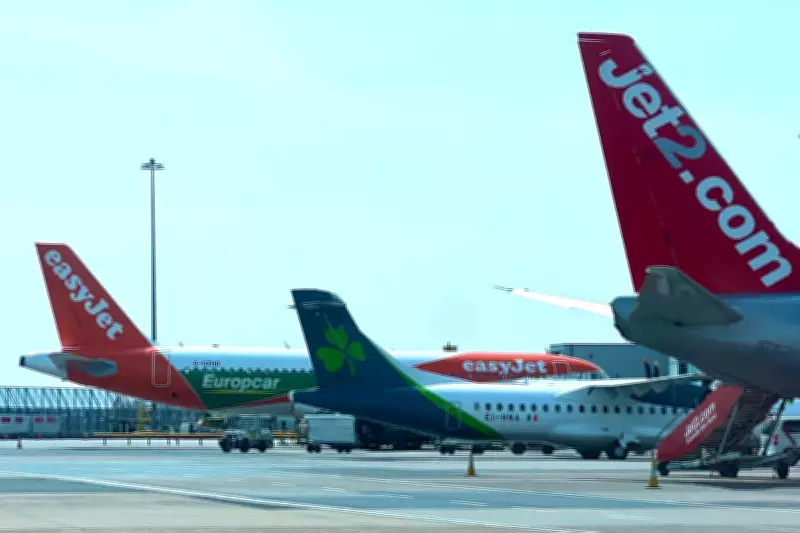
During the first weekend of the full EES implementation, 122 easyJet passengers at Milan Linate airport watched their plane to Manchester depart without them. Among those affected was Max Hume, who, along with his wife Lynsey and son Archie, was turned away and forced to spend nearly £1,700 on new flights, hotel accommodations, and extra parking. Hume expressed feeling "gutted, upset, let down, absolutely shattered and poorer – much poorer."
An easyJet spokesperson stated, "While this is outside of our control, we are sorry for any inconvenience caused." However, this apology offers little solace to passengers who have been left out of pocket and stressed by the disruption.

What Has Changed with the EES System?
Since last Friday, the EU Entry-Exit System, which requires biometric checks for all "third-country nationals" including British passport holders, is supposed to be fully operational at all Schengen area frontiers. However, inconsistencies persist. While the system is not functioning at locations like the Port of Dover, Eurotunnel at Folkestone, and the Eurostar terminal in London, many European airports, including Milan Linate, are enforcing the rules strictly.
This new process adds significant time compared to the old "check and stamp" system. Some airports are doubling up on biometrics, requiring fingerprints and facial registration both on entry and exit. Additionally, insufficient staffing at certain airports exacerbates delays, leading to missed flights and passenger frustration.
Strategies to Avoid Missing Your Flight
To mitigate the risk of missing flights due to EES delays, consider the following strategies:
- Hold an EU or Schengen Area Passport: Passengers with passports from EU or Schengen nations, such as Italy or Ireland, may face fewer delays. Reports suggest that some of the 34 passengers who made the Milan to Manchester flight had such passports.
- Avoid Checked Baggage: Travelling without checked luggage can expedite the process, though this is often impractical for families.
- Arrive Extremely Early: Given that check-in often opens only two hours before departure, arriving three hours early is now recommended to account for potential delays at passport control.
Accelerating the EES Process
Pre-registration is not widely available, though Sweden and Portugal offer apps with limited advantages. A more effective method is to have your biometrics already registered in the system by taking a short trip to locations like Vienna or Salzburg, where the process is smoother. This could allow for quicker passage through airports like Palma de Mallorca.
Why Airlines Leave Without All Passengers
Airlines operate on tight schedules with short turnarounds. A two-hour delay in the morning can cascade into longer waits later in the day. While some airlines, such as Jet2, may wait for delayed passengers, if the crew runs "out of hours," the captain must proceed with takeoff to avoid stranding everyone. Notably, air passengers' rights rules do not cover missed flights due to passport control delays.
Financial Implications and Insurance Coverage
Passengers on the Milan-Manchester flight were initially told they would need to wait four days at their own expense and pay £110 for rebooking, though easyJet later suggested free rebooking. However, many in a hurry have paid hundreds of pounds for alternative flights. Travel insurance is unlikely to cover these costs, as confirmed by the Association of British Insurers (ABI). A spokesperson advised, "Travel insurance is unlikely to cover losses from delays caused by EES queues." Appealing to the Financial Ombudsman Service offers little hope of success.

Seeking Reimbursement from Airlines and Airports
After the Milan incident, easyJet stressed that the delays were "outside of our control," making reimbursement unlikely. Some passengers have considered claiming from Milan Linate airport authorities, but the airport posted on X, stating, "We are unable to intervene in airline decisions made as a result of delays at passport control." This creates a circular blame game between airlines and airports.
The best chance for reimbursement applies only to those on package holidays, where the tour operator may be held accountable for failing to provide the booked trip.
Will Delays Continue Throughout the Summer?
Dr Nick Brown, a data expert monitoring EES implementation, noted, "It really seems like there are two EESs. One that works and one that doesn't." The inconsistency may stem from variations in technology, staffing, or training. Following such incidents, there is hope that the Foreign Office will urge the European Commission to offer more flexibility in problematic locations, potentially reducing delays over the summer.
As travellers navigate this new border lottery, the need for clear communication and improved processes remains critical to avoid further chaos and financial hardship.





