Europe's New EES Border System Sparks Airport Chaos and Three-Hour Queues
EES Border System Causes Airport Chaos and Three-Hour Queues

Europe's New Border System Creates Airport Havoc with Extended Queues

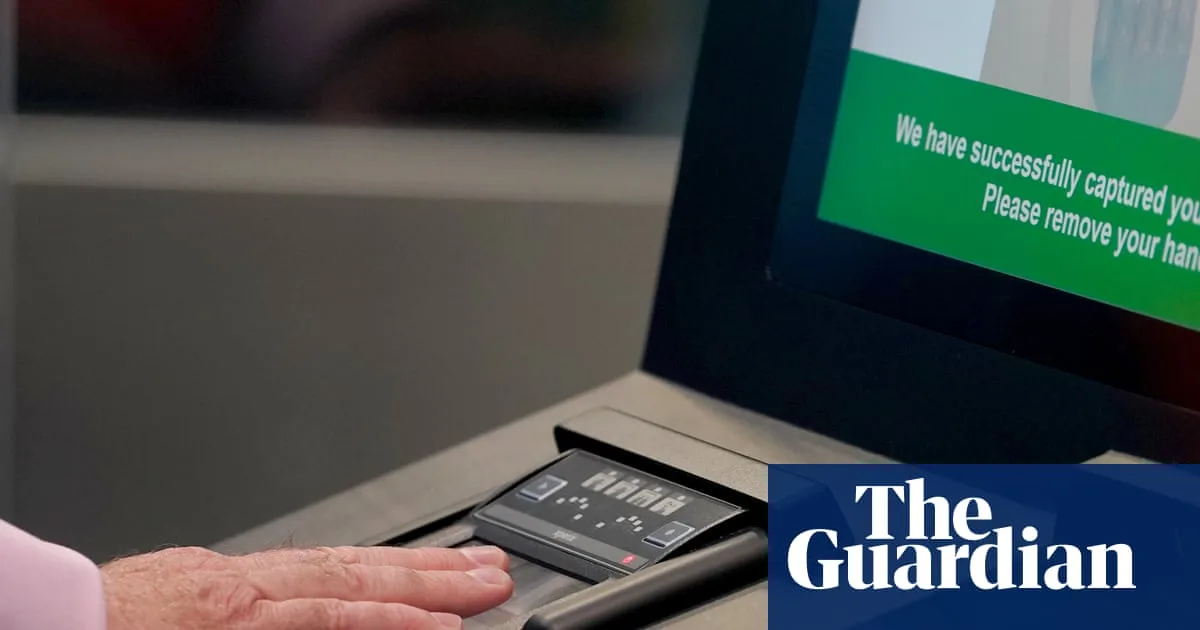
The implementation of the new Entry/Exit System (EES) across European airports has resulted in significant operational disruptions, with numerous reports emerging of prolonged waiting times and chaotic scenes at major travel hubs. According to data from Airports Council International Europe, border processing delays have surged by as much as 70 percent since the system's introduction, creating queues that can extend to three hours during peak travel periods.

Widespread Impact Across European Airports

Airports in Germany, France, Iceland, Greece, Italy, Spain, and Portugal have been particularly affected by the new biometric registration requirements. The system, designed to digitally record non-EU citizens' entry and exit data, has overwhelmed existing infrastructure at many locations, leading to bottlenecks that have disrupted thousands of travelers' journeys.

One family's experience at Málaga Airport illustrates the severity of the situation. Despite arriving three hours before their easyJet flight as recommended, they spent 47 minutes waiting to drop off luggage due to delayed baggage desk openings, leaving just 53 minutes to navigate security with two young children. The combination of lengthy queues and security backlogs made reaching their gate impossible, resulting in a missed flight and additional costs exceeding £1,000 for alternative arrangements.

Wide Pickt banner — collaborative shopping lists app for Telegram, phone mockup with grocery list

Expert Recommendations for Navigating the New System

Consumer expert Anna Tims, after consulting with easyJet and the International Air Transport Association (IATA), concluded that traveling with carry-on luggage only represents the most effective strategy for avoiding EES-related delays. This approach eliminates the need to check bags and navigate potentially lengthy baggage drop queues.

EasyJet confirmed it has no immediate plans to extend its standard two-hour baggage drop window, though the airline acknowledged issuing specific warnings about unusually long lines on particularly affected days. IATA has expressed concerns about the system's readiness for peak travel periods, stating: 'We have repeatedly warned the full rollout of the EES in its current form poses an operational risk before the summer peak.'

The association has urged member states to consider temporary suspensions of EES requirements during high-traffic periods and to increase staffing levels at border control points to manage the additional processing burden.

Extended Travel Planning Advised

Julia Lo Bue-Said, CEO of the Advantage Travel Partnership, recommends that travelers now allow at least four hours for airport processing rather than the traditional two-hour window. For those with connecting flights, she advises scheduling longer layovers to account for potential EES-related delays at intermediate airports.

Important clarification: Even travelers who have previously registered their biometric data with the system must still join the non-EU passport queue alongside first-time users, as there is currently no expedited lane for pre-registered passengers.

Lo Bue-Said notes that delay patterns have been inconsistent, varying by time of day and airport traffic levels since the system's initial implementation in October. She recommends that passengers monitor real-time updates from their airlines and airports regarding queue lengths and processing times.

Additional Considerations for Future Travel

Travelers should also prepare for the upcoming ETIAS visa waiver programme, scheduled for introduction between October and December 2026 if the EES rollout proves successful. This system will require citizens from over 60 visa-exempt countries to obtain pre-travel authorization at a cost of €20 (£17), valid for three years or until passport expiration.

For those eligible, obtaining a European passport represents another potential solution for avoiding EES queues, according to travel expert Ash Bhardwaj, who predicts that system efficiencies should improve gradually over time.

Pickt after-article banner — collaborative shopping lists app with family illustration

Passenger Experiences Highlight Systemic Issues

Numerous travelers have shared concerning experiences with the new system. Jack Howes described his passage through Almeria Airport as a 'disaster,' recounting how EES machines rejected his passport four times before directing him to a manual desk that was unstaffed. He ultimately proceeded directly to his gate without completing the required registration.

Social media platforms have become forums for frustration, with one traveler reporting two-hour arrivals queues and 90-minute departure delays at Krakow Airport, while another reconsidered future European travel plans after experiencing 'hours queuing' both entering and exiting Prague and Krakow despite efficient airport staff efforts.

The cumulative evidence suggests that while the EES represents a technological advancement in border security, its implementation has created significant practical challenges that continue to disrupt air travel across Europe.