

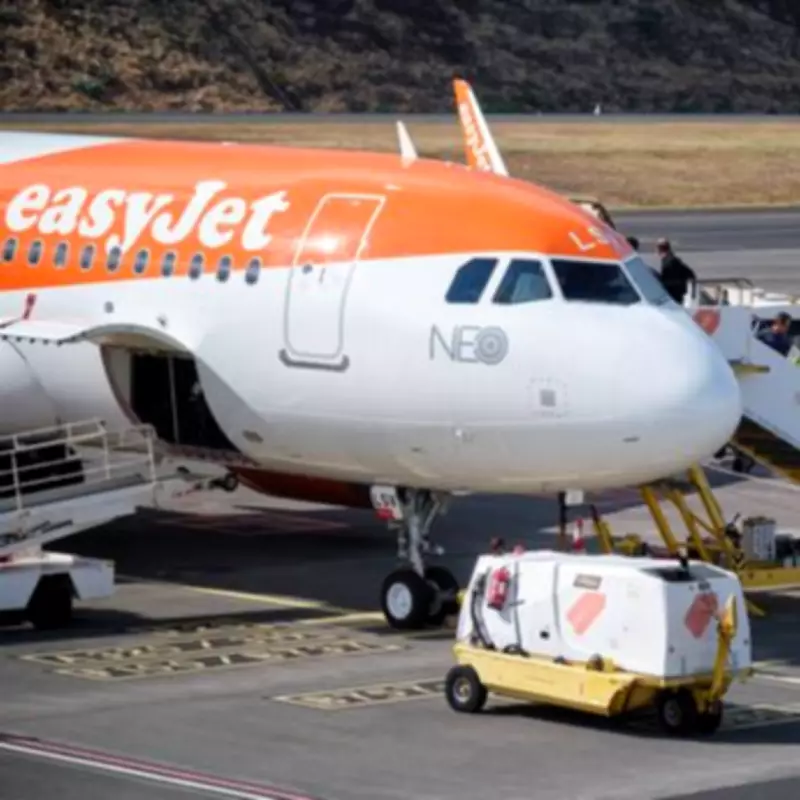
EasyJet Issues Stark Warning Over Portugal's New Fare Subsidy Rule
EasyJet's general manager in Portugal has issued a forceful warning that new government proposals to alter airfare subsidies will artificially inflate prices and could lead to significant cutbacks in the airline's domestic operations. The carrier is actively weighing plans to reduce services, particularly impacting connectivity for island residents and tourists.
Potential Capacity Reductions and Route Withdrawals
José Lopes, easyJet's general manager in Portugal, announced on Monday that the airline may scale back its domestic services following the Assembly of the Republic's decision to scrap caps on the social mobility allowance for air travel. This subsidy previously set maximum fares for residents and students travelling between the mainland and the autonomous regions of Madeira and the Azores.
"Removing the upper limit will artificially inflate prices," Lopes stated emphatically. He argued that the measure delivers "zero benefits" for island residents while potentially deterring tourists, who constitute the majority of passengers on these domestic routes. The airline has confirmed it will not return to operate Azores routes due to these changes, having already announced its departure from the region effective March 29, 2026, citing a 35 percent increase in airport fees and government inaction.

Press Conference Revelations and Operational Impacts
Lopes addressed journalists at a press conference in Funchal, held in partnership with the Regional Secretariat for Tourism, to outline easyJet's operations and long-term commitments in the Madeira archipelago. While he ruled out completely abandoning the route to Madeira, he highlighted the possibility of "a reduction in market capacity." At Porto Santo airport, the two existing routes to Lisbon and Porto will be retained, though services to Lisbon will be reduced due to airport constraints.
The proposed changes to the social mobility subsidy regime would remove maximum fare limits for residents of Madeira and the Azores. Lopes warned that implementation would have direct implications for easyJet's operations, expressing hope that "an analysis will be carried out and a way will be found to be more rational and less emotional in dealing with the matter."
Understanding the Social Mobility Subsidy
The social mobility subsidy previously established maximum fares of €79 for residents and €59 for students travelling between Madeira and the mainland on round trips, with an overall cap of €400. For the Azores, residents paid no more than €119, students were capped at €89, and a recently introduced maximum ceiling of €600 applied. The Portugal Post reports that Parliament's decision to abolish these price caps now seriously threatens island connectivity.
These legislative amendments stem from two initiatives to revise the legislation put forward by the Socialist Party and Chega. Although given preliminary approval on Friday, they have not yet come into force.
Broader Industry Implications
EasyJet is not alone in expressing concerns about the Portuguese aviation market. Ryanair has also revealed plans to cease all operations in the Azores on March 29, 2026, citing similar cost pressures. This dual withdrawal by major low-cost carriers could significantly impact tourism and resident mobility between Portugal's mainland and its autonomous regions.
The potential reduction in easyJet's capacity to Madeira, combined with its confirmed withdrawal from the Azores and Ryanair's planned exit, creates substantial uncertainty for the future of affordable air travel within Portugal. Industry observers warn that without competitive pricing mechanisms, both tourism and resident mobility could suffer, particularly affecting the economies of island regions that depend heavily on air connectivity.






