Easter Travel Chaos Looms as UK Faces Busiest Roads in Four Years
Millions of Britons are bracing for significant travel disruption this Easter weekend, with motoring organizations predicting the busiest roads since the immediate post-pandemic period in 2022. An estimated 21.7 million car journeys have been planned for Thursday alone, according to a major survey conducted by the AA.
Perfect Storm of Challenges for Drivers
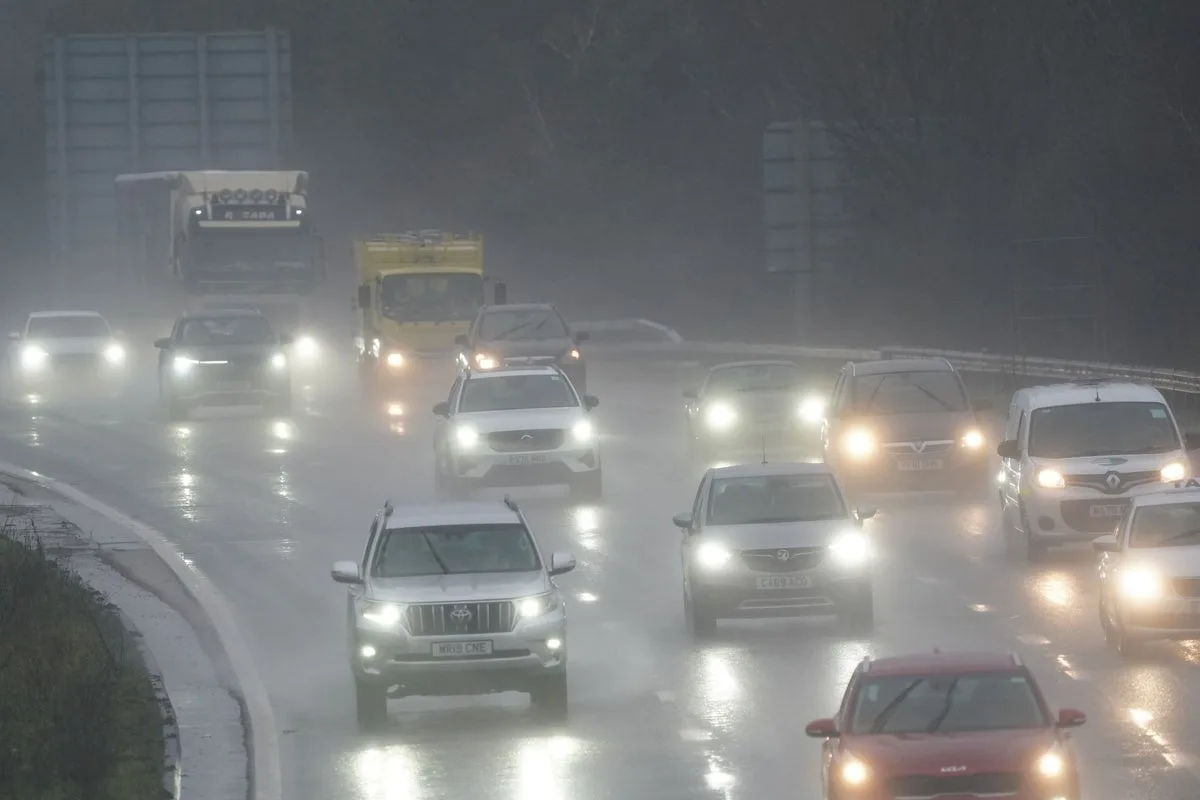
Drivers face a combination of challenges including severe weather warnings, soaring fuel prices, and expected congestion at traditional hotspots across the UK's road network. The Met Office has issued yellow warnings for very strong winds across Scotland, Northern Ireland, and parts of north Wales and northern England as Storm Dave approaches.
Forecasters predict widespread gusts of 50 to 60mph, with exposed locations potentially experiencing 60 to 70mph winds, and western areas of Scotland possibly facing gusts as high as 80 to 90mph. These conditions are expected to cause delays across all transport modes including road, rail, air, and ferry services.
Fuel Price Surge Adds to Travel Woes
The economic impact of international conflict continues to affect UK motorists, with average diesel prices reaching 184.2p per litre on Wednesday – a staggering 29 percent increase since late February. Petrol prices have similarly climbed to 153.7p per litre, representing a 16 percent rise over the same period.
Rebecca Guy, senior policy manager at the Royal Society for the Prevention of Accidents, emphasized the need for caution: "With yellow wind warnings now in place across multiple regions and heavy rain expected from Friday, anyone travelling should take extra care on the roads. The combination of strong winds and periods of heavy rain will make driving conditions particularly challenging."
Journey Patterns and Congestion Hotspots
Most Easter journeys are expected to be relatively short, with 53 percent of drivers planning trips under 50 miles according to AA data. Only 5 percent anticipate travelling between 50 and 100 miles, while approximately 1 percent expect journeys of 100-200 miles. Fewer than 1 percent of drivers plan to cover more than 200 miles during the holiday period.
The primary purposes for Easter road travel include:
- Visiting family and friends
- Work-related trips
- Shopping excursions
Expected congestion hotspots identified by traffic analysts include:
- The M6 through Birmingham and north toward Blackpool
- The M25 between the M23 and M40 junctions
- The M5 in the Bristol area and further into the South West
- The A303 in Wiltshire
- The M4 in South Wales
To alleviate some pressure, National Highways announced it will temporarily remove 1,500 miles of roadworks from England's motorways and major A roads between Thursday and Easter Monday.
International Travel Complications
For those planning European getaways, additional challenges await. Approximately two million UK residents are expected to travel abroad between Good Friday and Easter Monday according to travel trade organization Abta.
Drivers heading to continental Europe are advised to refuel before leaving the UK to save money, as analysis by the RAC Foundation reveals petrol prices in France averaged £1.71 per litre in late March – 25p more than UK prices at £1.46 per litre.
Furthermore, UK holidaymakers travelling to European Union countries face potential two-hour delays upon arrival due to the ramping up of the EU's new Entry-Exit System. This border control system requires third-country nationals, including British citizens, to provide fingerprints and photographs when entering the Schengen Area.
Airports Council International has reported a "continued deterioration in waiting times at border crossing points" across European airports, adding another layer of complexity to Easter travel plans.
With millions expected on the move, authorities are urging all travellers to plan ahead, allow extra time for journeys, and exercise particular caution in the challenging weather conditions forecast for the holiday period.






