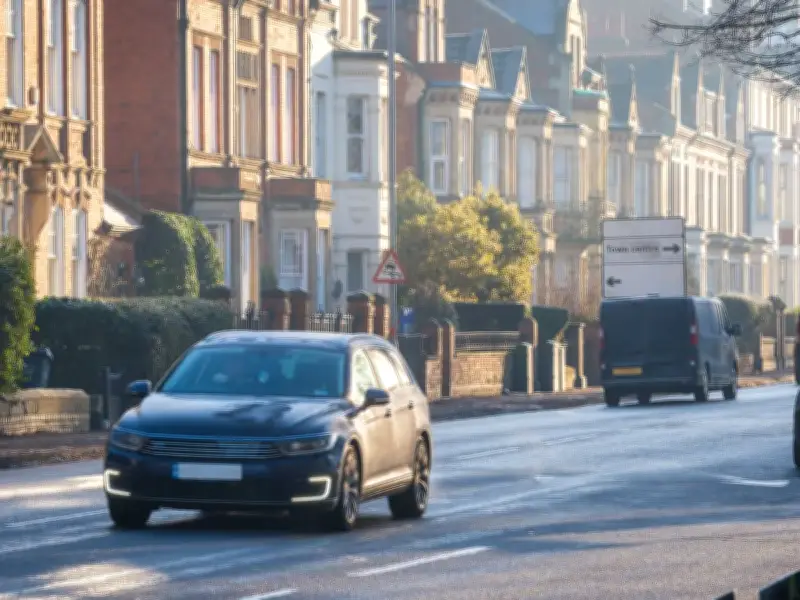
Electric vehicle drivers will face a new mileage-based charge costing the average motorist £300 a year from April 2028, under changes confirmed in the 2026 Budget. The Electric Vehicle Excise Duty (eVED) will apply to electric and plug-in hybrid cars, adding to the £200 standard rate road tax all drivers pay.
How the new mileage charge will work
The government introduced plans in the 2025 Budget for a 3p per mile charge for battery electric vehicles (BEVs) and a 1.5p per mile charge for plug-in hybrids from 2028. The 2026 Budget, delivered by Chancellor John Healey, now confirms how the system will operate. The DVLA will administer the tax, and drivers will estimate their mileage each year to calculate what they owe.
Calculations by Octopus Electric Vehicles show an average EV motorist will pay £300 a year under the new charge. Even drivers covering 5,000 miles a year would pay £150 extra annually. The RAC estimates there are around 2 million zero-emission BEVs in the UK and a further 1 million plug-in hybrids. The RAC Foundation puts average EV mileage at around 10,000 miles a year, slightly less for hybrids.
Tool to address privacy and complexity concerns
The new mileage estimation tool aims to address criticisms raised during consultations before the Budget. Many respondents urged the government to avoid making the charge overly complicated, and voiced privacy concerns. The Budget papers say a feature called benchmarking is being tested, which would help drivers unsure of their exact mileage create an estimate using information from similar vehicle types.
Drivers will be able to opt in to a tool called 'eVED Connect', which the government says will use a vehicle's on-board data so drivers do not need to report mileage annually. Officials also want to introduce an automatic refund model by 2030, making refunds easier when drivers overestimate mileage or sell their car.
Government rules out trackers amid criticism
Some critics have called the changes 'Big Brother' politics, noting petrol and diesel drivers do not need to inform the government about their mileage. Howard Cox, founder of the FairFuelUK campaign, told the Times: "This reeks of Big Brother Britain. Labour says it's voluntary, but for how long? Our cars, journeys and freedom to travel are ours, not Westminster's."
The Treasury said this week: "There will be no requirement to install trackers in cars, or report where and when miles are driven." The government says the tax is needed because fuel duty generated £24 billion last year, more than the £21 billion for the police, and EV drivers avoid this tax. The government plans to phase out new petrol and diesel car sales from 2030, and says it will work with the motoring industry and groups before the change begins, with further guidance for fleet operators due later this year.