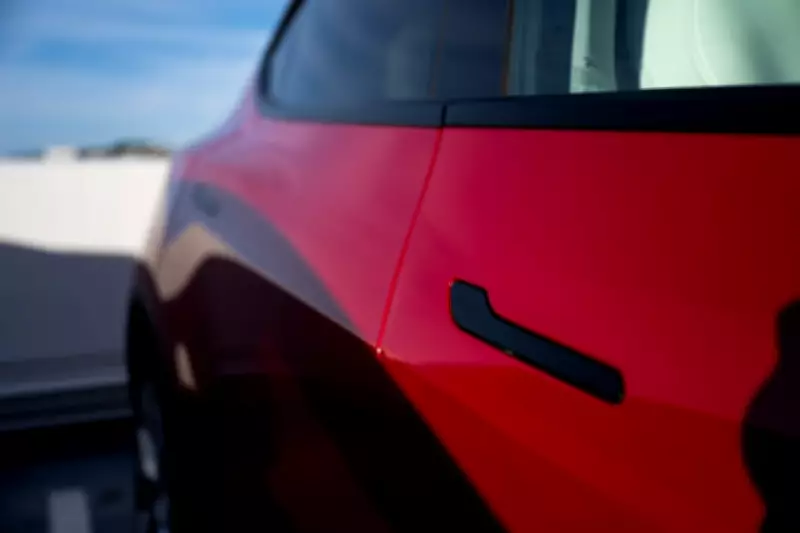
China will implement a groundbreaking ban on concealed door handles for all electric vehicles sold within its borders, becoming the first nation worldwide to take such decisive regulatory action. This move follows several high-profile fatal accidents where occupants became trapped in vehicles after power failures rendered electronic door mechanisms inoperable.
New Safety Regulations Announced
The Ministry of Industry and Information Technology announced the new regulations on Monday, stating they will "improve the level of automotive safety design" across the industry. The rules mandate that all vehicles, except for the boot, must feature both interior and exterior mechanical door releases that can be operated manually in emergency situations.
Specific Requirements for Manual Operation
Effective from 1st January next year, the regulations stipulate precise requirements for these safety features. Every car door must provide hand-operable space measuring at least 6 centimetres by 2 centimetres by 2.5 centimetres to facilitate manual door release. Additionally, vehicles must include clear interior signage demonstrating to occupants exactly how to open doors using these mechanical systems.

Design Origins and Safety Concerns
The flush-mounted pop-out door handle design was first popularised by Elon Musk's Tesla Model S when it launched in 2012. This innovative design integrates handles seamlessly into vehicle doors, using electrical signals to activate latches rather than traditional mechanical connections. While providing a slight aerodynamic advantage by reducing drag, these electronic systems have proven vulnerable in crash scenarios where power systems fail.
According to state media reports, approximately 60% of China's top 100 bestselling new energy vehicles – which include both fully electric and hybrid models – currently feature these concealed door handle designs. The sleek aesthetic has become a common design choice for EV manufacturers worldwide seeking to project technological sophistication.
Deadly Incidents Prompt Regulatory Action
Several tragic accidents have highlighted the dangers of relying solely on electronic door mechanisms. In October, a fatal collision in Chengdu involving Chinese manufacturer Xiaomi's SU7 electric sedan resulted in bystanders being unable to open the vehicle and rescue the driver before it burst into flames.
Meanwhile in the United States, Tesla faces legal action from the parents of a teenager killed in a 2024 Cybertruck crash. According to police reports, when the vehicle hit a tree and caught fire, power to the electric doors was shut down, trapping all four passengers inside with no means of escape. Three individuals perished in this incident.
Impact on Chinese Automotive Industry
As the world's largest electric vehicle market, China's regulatory decisions carry significant weight both domestically and internationally. The new requirements will force numerous Chinese car manufacturers to redesign many of their vehicle models to comply with the mechanical release mandate.
Cars released after January next year must fully comply with the new regulations, though certain vehicles already approved and in final launch stages have been granted a two-year grace period to update their designs accordingly.
Global Market Context
This regulatory development comes as Chinese EV manufacturers expand their international presence. Recent statistics revealed that Chinese firm BYD sold more electric vehicles than Tesla last year, marking the first time the American industry pioneer has been overtaken in annual sales within this category.
The Chinese automotive industry's growing global influence means these safety regulations could potentially influence design standards beyond China's borders, particularly as safety watchdogs worldwide increase scrutiny of electronic door mechanisms following multiple fatal incidents.