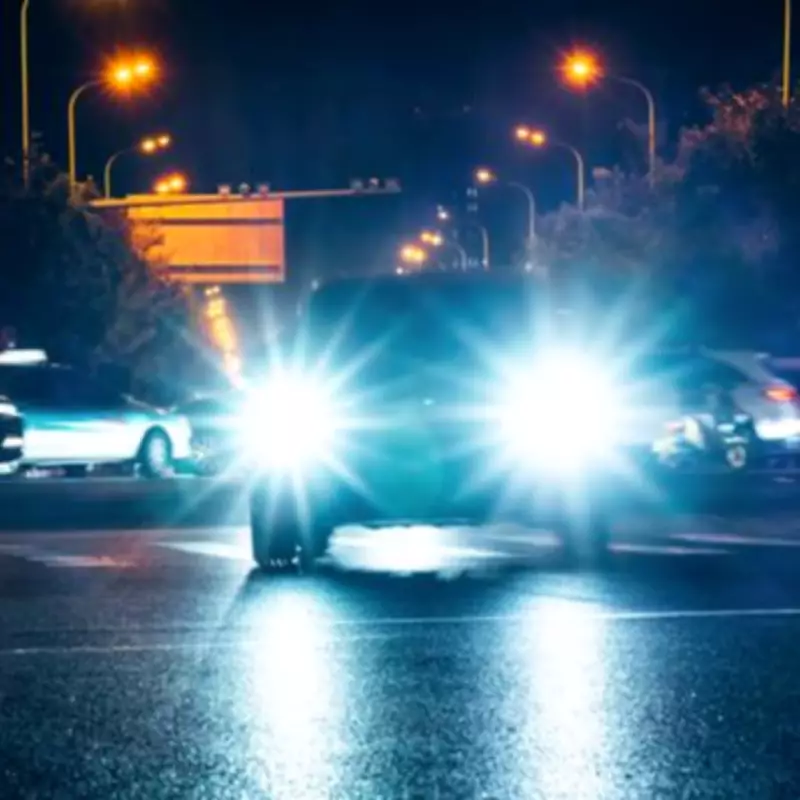
Optometrist's Car Mirror Tip Aids Drivers Battling Headlight Glare
The RAC has consulted with an expert optometrist to provide actionable advice for motorists struggling with the increasing problem of headlight glare during night driving. Research indicates that as many as six-in-ten drivers believe the issue of dazzling headlights has worsened in recent times, potentially leading to discomfort, reduced confidence, and even causing some to avoid driving after dark.
Understanding the Growing Problem
According to the RAC, headlight glare could be exacerbated by several factors, including advancements in newer lighting technologies used in modern vehicles. The organisation notes that investigations into this pervasive issue are currently ongoing, highlighting its significance for road safety.
The Department for Transport's Road Safety Strategy outlines governmental plans to undertake further research aimed at identifying specific vehicle design factors that may contribute to increased headlamp glare. This proactive approach underscores the seriousness with which authorities are treating the matter.

Expert Advice from an Optometrist
The RAC has been collaborating closely with the College of Optometrists to raise awareness and share practical tips through informative social media videos. In a recent Facebook post, the motoring company featured Denise Voon, a spokesperson for the College of Optometrists and a specialist optometrist at Oxford University Hospitals NHS Foundation Trust.
Denise provided several key recommendations for drivers experiencing headlight glare:
- Ensure cleanliness: "Make sure your glasses and your windscreen are nice and clean. Any smudges or dirt can make the appearance of headlight glare a lot worse."
- Avoid direct eye contact: "If you're faced with an oncoming headlight, make sure you don't look directly at it, but ensure that you keep your eyes open."
- Adjust your rearview mirror: "With your rearview mirror, if it's not auto-dimming, try to adjust it so you're not affected by headlights in the cars behind you."
- Regular eye tests: "Make sure that you see your optometrist regularly, around every two years for a regular eye test. This is to make sure you're seeing as well as you can do, but also to make sure your eyes are nice and healthy."
- Wear prescribed eyewear: "If your optometrist has recommended glasses or contact lenses for driving, make sure you wear them."
Additional Guidance from the RAC
More comprehensive information about headlight glare is available on the RAC website, which offers guidance developed in partnership with the College of Optometrists. The advice includes:
- Keep your windscreen clean and smudge-free to reduce the impact of glare. If you wear glasses, ensure they are similarly clean and smudge-free.
- Stay up to date with sight tests with your local optometrist to ensure your glasses help you see as well as possible when driving and that your eyes remain healthy.
- When presented with bright oncoming headlights, keep your eyes open and briefly look to the curb or side of the road until you can see clearly again. This technique helps maintain safety and minimises discomfort from glare.
- Be considerate when driving and dip your headlights when required. If you have automatically dimming headlamps, remember they do not always detect oncoming cars, cyclists, and pedestrians, so know how to dip them manually.
By following these expert recommendations, drivers can better protect their eyesight and enhance their safety on the road, particularly during challenging night-time conditions.