
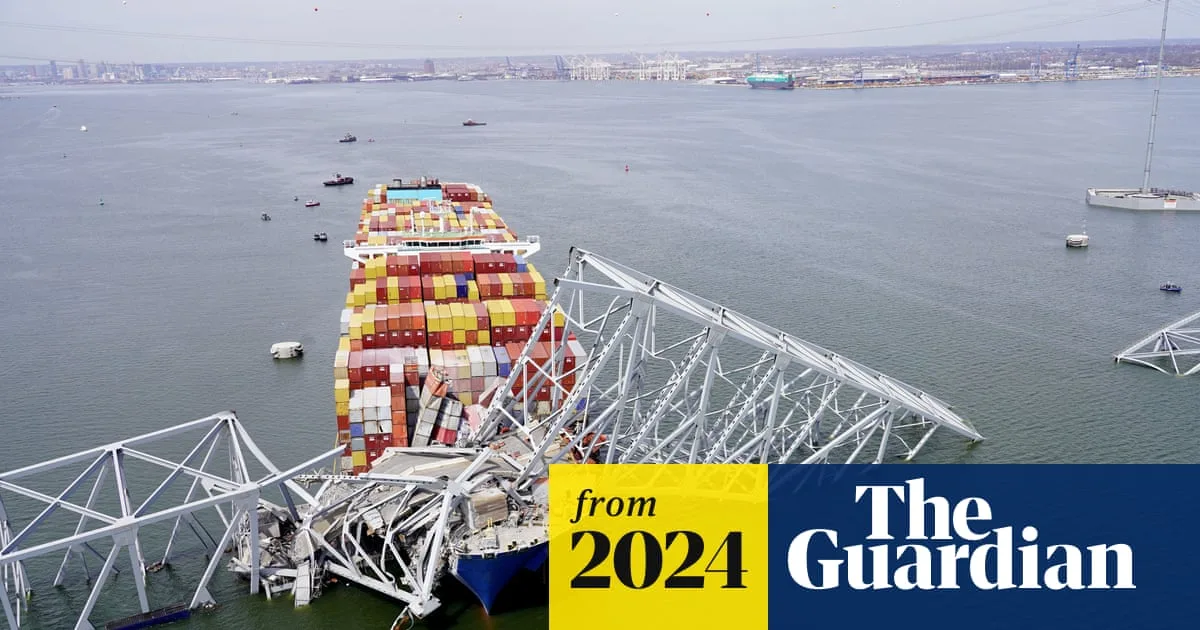
The collapse of the Francis Scott Key Bridge in Baltimore has prompted warnings of significant supply chain disruption, with US Transportation Secretary Pete Buttigieg describing the impact as 'major and protracted'. The bridge, a vital artery in the city's industrial heartland, came down in under a minute after being struck by a cargo ship early on Tuesday, leaving at least six construction workers presumed dead.
The Port of Baltimore, the ninth busiest in the US and the leading port for car shipments, has been closed indefinitely. In 2023, it handled at least 750,000 vehicles, with motor vehicles and parts accounting for 42% of imports. General Motors and Ford have already announced rerouting of affected shipments, but Buttigieg noted that there is 'no substitute' for the port being operational.
Experts warn that the closure will particularly affect coal exports, as Baltimore was the second busiest US port for coal shipments in 2023, with India as the primary destination. Ernie Thrasher, CEO of Xcoal Energy & Resources, highlighted the challenge of rerouting coal due to specialised facilities being at capacity. The port handled foreign cargo worth $80bn last year, meaning millions of dollars in lost trade daily.
President Joe Biden has pledged federal funding for the bridge's reconstruction, while Treasury Secretary Janet Yellen confirmed a federal task force is assessing the situation. The disaster has also raised concerns about worker safety, with the Occupational Safety and Health Administration noting that construction is a 'high hazard industry'.




