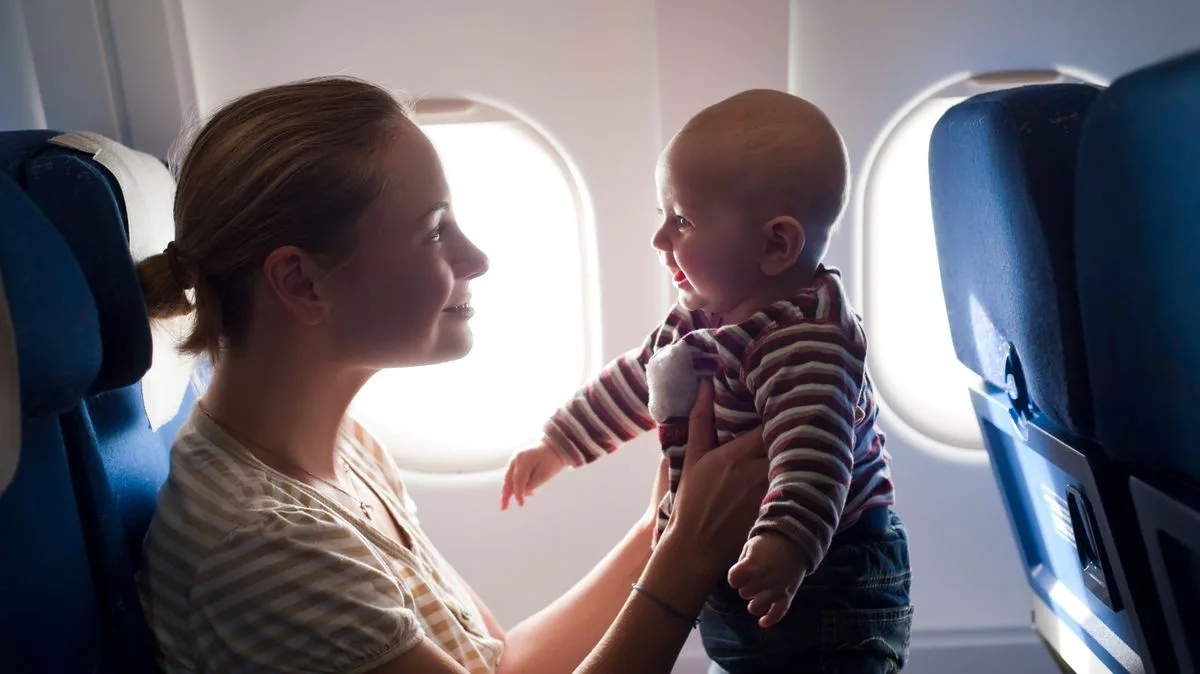
Navigating Airline Rules for Family Travel with TUI, easyJet and Ryanair
Planning a family holiday involves meticulous organisation, from packing essentials to ensuring passports and boarding passes are in order. The goal is to create a relaxing escape from daily routines, but travelling with children can introduce unexpected complexities. Understanding specific airline regulations is crucial for a smooth journey, as requirements for infants and young travellers vary significantly between carriers.
TUI Regulations for Infant and Child Travel
TUI mandates that infants must be at least 14 days old to fly, prioritising health and safety. All TUI aircraft feature baby changing facilities for convenience during flights. When it comes to baggage, foldable prams or pushchairs can be stored in the hold without restrictions on dimensions or weight. However, if you wish to bring a pushchair into the cabin, it counts as your larger hand baggage and must not exceed 55cm by 40cm by 20cm and 10kg in weight.
Pushchairs and car seats can be checked into the hold at no additional cost. According to UK aviation regulations, babies under six months must be held on an adult's lap and secured with an infant lap-strap throughout the flight. Infants aged six months to two years must also remain on an adult's lap unless a separate seat is purchased, in which case a car seat may be used if necessary.
Liquid baby food or milk, whether shop-bought or homemade, is permitted, along with food for special dietary needs required for the journey. Solid baby food is allowed in both hand and hold baggage, and there are no limits on powdered formula within your luggage allowance. Every child, including newborns, must have their own passport, valid initially for five years and renewable for another five-year period. Upon turning 16, they qualify for a standard 10-year passport.
easyJet Policies for Travelling with Children
Similar to TUI, easyJet prohibits infants under 14 days old from flying. Children over two years old or those celebrating their second birthday during travel require a separate seat. Children aged two to fifteen cannot fly unless accompanied by someone aged 16 or older, and unaccompanied minors under 16 are not permitted to board.
The airline considers individuals aged 16 or older as adults, allowing them to travel with children and those needing special assistance. Babies with their own seats and children over two have the same cabin and hold baggage entitlements as adults. When flying with a baby on your lap, you are only allowed an extra changing bag for the child.
For each infant, you can check up to two items free of charge in the hold, beyond your cabin bag allowance, including travel cots, pushchairs, car seats, booster seats, and baby back carriers. Baby food, milk, and sterilised water are permitted in cabin bags, exempt from the standard 100ml liquid restriction at certain airports, provided each container holds no more than two litres in total. Baby changing facilities are available on easyJet aircraft, but nappies and wipes must be brought by passengers as they are not supplied on flights.
Ryanair Guidelines for Infant Travel
Ryanair does not allow newborns aged up to seven days old to travel. Babies aged between eight days and 23 months must be accompanied by someone aged 18 or older, with a limit of one baby per adult. All infants must be seated on an adult's lap and do not receive a separate baggage allowance. Baby changing facilities are located at the rear of the aircraft, and cabin crew can assist with warming baby bottles if needed.
If an infant turns two years old or a child reaches 16 during the journey, you must book two single flights instead of a return ticket. At the airport, you can check in two pieces of baby equipment per child, such as a pushchair plus a car seat, booster seat, or travel cot, at no extra cost. Ryanair advises parents or guardians to consult a doctor to confirm that very young infants are fit to fly.
You are also entitled to bring two items of carry-on baby equipment free of charge, including pushchairs, buggies, car seats, booster seats, or travel cots, which must be tagged at the check-in desk or boarding gate.
General Rules for Baby Food and Milk
When flying with a baby, you are permitted to carry sufficient baby food, milk, and sterilised water for your journey. There is no legal restriction on quantity, but it is advisable to check with your airport beforehand. According to Gov.uk, breast milk can be carried in hand luggage regardless of whether you are travelling with a baby, though frozen breast milk is not allowed. Individual containers must not exceed 2,000ml, and each requires screening at security checkpoints, where staff may need to open containers to inspect the liquids.
By familiarising yourself with these airline-specific rules, you can reduce stress and ensure a more enjoyable family holiday, allowing you to focus on creating lasting memories rather than navigating logistical hurdles.






