

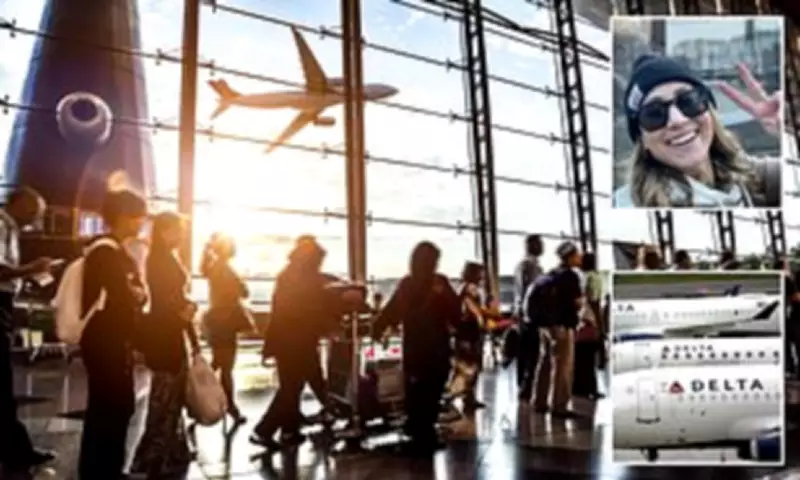
Airline Ticket Prices Skyrocket Amid Iran Conflict Fuel Crisis
Travelers across the United States and internationally are facing dramatically higher airfares as escalating military conflict with Iran drives up oil prices, forcing airlines to implement substantial fare increases. Passengers booking spring and summer vacations are already encountering sharp price hikes, with some flight costs more than doubling within a single week.
Jet Fuel Costs Trigger Airline Price Surge
Airline executives confirm the sudden price spike is directly linked to surging jet fuel expenses following recent attacks on Iran by the United States and Israel. As jet fuel represents the second largest operational cost for carriers after labor, airlines typically respond to rapid cost increases by raising ticket prices to maintain profitability.
New analysis from Deutsche Bank reveals that among nine major US airlines, budget carrier Spirit Airlines experienced the most dramatic fare increase. The lowest listed one-way domestic fare booked approximately three weeks in advance more than doubled within a week, jumping to $193.

Major Airlines Implement Significant Fare Hikes
Price surges have affected carriers across the industry, with United Airlines and Delta Air Lines implementing fare increases between 15 percent and 57 percent on comparable flights. Travel expert Katy Nastro from American travel technology company Going told the Daily Mail that historical patterns suggest these elevated fares will likely persist as airlines grapple with sustained high fuel costs.
"History indicates that fares will likely stay high as airlines deal with the high costs," Nastro explained, while noting that "ticket prices will ultimately depend on how much travelers are willing to pay."
Expert Advice for Cost-Conscious Travelers
Nastro encourages travelers to act promptly when booking flights and to plan ahead for future trips when encountering favorable prices. "There is no reason not to be thinking about summer travels, even fall travels, especially if you see a deal," she advised, citing a recent Boston-to-Sicily fare listed at $488 for September travel.
The travel expert recommends against relying exclusively on the so-called "Goldilocks Window"—the traditionally optimal booking period of one to three months for domestic flights and two to eight months for international travel. Instead, she suggests travelers consider main economy tickets that often permit rebooking if fares decrease after purchase.
"If the cost of the flight falls after purchase, travelers can contact the airline to have the ticket repriced and receive a credit for the difference," Nastro explained, highlighting this strategy as a potential long-term savings approach.
Global Airline Response to Fuel Price Volatility
While airfare increases may not precisely mirror oil market volatility, industry analysts anticipate continued price elevation if high fuel costs persist. "The good news is that we don't expect airfares to spike in a similar way to what oil has been doing," Nastro noted, adding that "the bad news is higher fares are likely the longer this lasts."
Foreign carriers relying on Middle Eastern fuel reserves are expected to experience the most significant impacts from the current crisis. Airlines worldwide have already begun passing increased costs to consumers, with Cathay Pacific announcing plans to approximately double fuel surcharges on certain tickets starting March 18.
Industry Leaders Signal Further Price Increases
Australia's Qantas has initiated fare increases to offset higher operating expenses, while Scandinavian Airlines cited "unusually rapid and substantial increase" in fuel prices as justification for raising ticket costs. Air New Zealand has implemented "initial fare adjustments" and warned of potential additional increases if elevated fuel prices continue.
United Airlines CEO Scott Kirby confirmed at a recent Harvard event that higher fares were "likely" forthcoming due to the fuel price surge. Although United, Delta, and Southwest Airlines declined to comment to the Daily Mail regarding potential surcharge implementations similar to Cathay Pacific, industry executives suggest customers should anticipate further ticket price increases.

Major US airlines will convene next Tuesday at the JP Morgan Industrials Conference in Washington, DC, where they will update investors on fuel price developments and corresponding pricing strategies.
Travel Demand Remains Strong Despite Price Hikes
Despite the challenging pricing environment, Kirby expressed confidence in continued strong travel demand. Two anonymous airline executives told CNBC that sustained high demand would provide carriers with greater pricing flexibility and power in the current market.
Some frequent travelers are proactively securing trips before anticipated further price increases. Venture capitalist Sam Alexander reported booking flights for several upcoming journeys shortly after the conflict began, fearing imminent fare escalation. "I'm thankful that I locked in my tickets at a good price just a few days after the war began," he told the Wall Street Journal, noting that a Hawaii flight he purchased increased by $400 just two days later.





