

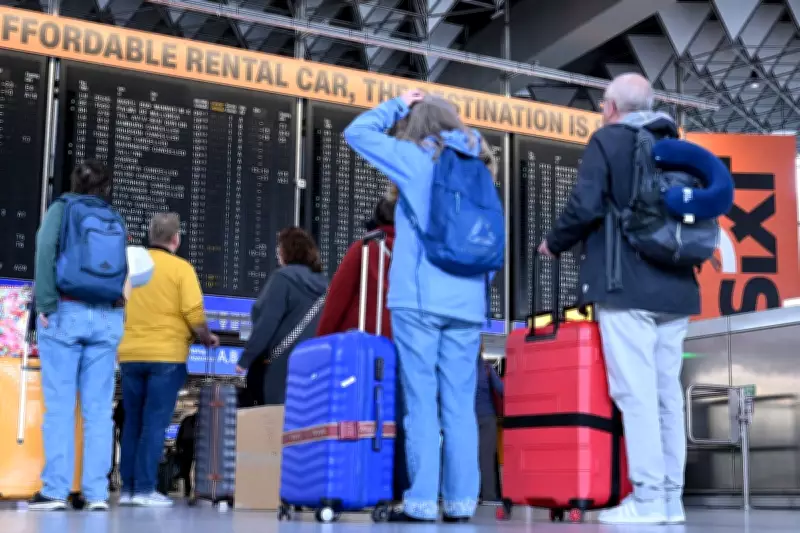
Air Travel Crisis Worsens as Airlines Furlough Staff and Prepare to Ground Planes
One major airline has revealed its contingency plans, including cutting capacity and grounding less fuel-efficient aircraft. The aviation industry is facing its most severe crisis in years, with major carriers warning of escalating flight cancellations and skyrocketing operational costs.
Global Routes Disrupted and Fuel Prices Soar
The conflict involving Iran has dramatically upended critical air routes between Asia and Europe that traditionally relied on Gulf hubs. Simultaneously, jet fuel prices have doubled and supplies are tightening, placing unprecedented pressure on airline operations worldwide. Since the U.S.-Israeli strikes on Iran commenced on February 28, carriers have implemented significant airfare increases, introduced fuel surcharges, and eliminated numerous routes.
Lufthansa CEO Carsten Spohr has warned that jet fuel supplies will remain constrained throughout the year, driving costs higher. "Kerosene will remain in short supply and therefore more expensive for the rest of the year," Spohr stated in an interview with German newspaper Frankfurter Allgemeine Zeitung. While Lufthansa has not yet grounded planes due to shortages, he acknowledged this measure "may be unavoidable" as kerosene availability becomes critical at several airports, particularly in Asia.

Airlines Implement Emergency Measures
In response to the crisis, airlines are taking drastic steps to preserve cash and manage operations. Qantas Airways has delayed a planned share buyback, citing higher and volatile fuel prices, marking one of the first major carriers to stall shareholder returns. The Australian flag carrier is raising fares and shifting capacity toward stronger routes like Europe, where demand remains firm, while trimming domestic capacity by approximately 5% in the June quarter.
Virgin Atlantic CEO Corneel Koster revealed in a Financial Times interview that the airline has about six weeks of secure jet fuel supplies before the outlook becomes more uncertain. Meanwhile, in South Korea, low-cost carrier T'way Air plans to furlough some cabin crew without pay in May and June, representing one of the first carriers to implement staffing reductions.
Industry Calls for Government Intervention
European airlines have urgently called on Brussels to implement emergency measures to cushion the impact of the crisis. Their requests include EU-level kerosene purchasing initiatives, a temporary suspension of the bloc's carbon market for aviation, and the scrapping of certain aviation taxes. Industry group Airports Council International Europe warned last week that Europe could face a systemic jet fuel shortage within three weeks.
The turmoil may accelerate industry consolidation, with stronger airlines potentially gaining market share from weaker rivals. Analysts and executives have noted this trend, with Reuters reporting that United Airlines CEO Scott Kirby discussed potential merger possibilities with American Airlines just days before the U.S.-Israeli strikes on Iran.
Financial Impact and Market Response
Fuel typically represents airlines' second-largest cost after labor, accounting for about 27% of operating expenses. Prices have more than doubled since the conflict began, far outpacing the roughly 50% rise in crude prices observed before the ceasefire. A two-week ceasefire has provided minimal relief, with the Strait of Hormuz remaining closed, removing approximately one-fifth of global oil and liquefied natural gas supplies from the market.
UBS analyst Jarrod Castle noted in a research update, "Despite the pause in the conflict we remain concerned about jet kerosene supply and price increase," adding that December jet kerosene futures prices are still up more than 50% year-on-year. Several carriers, including SAS, are not hedged against fuel price fluctuations, leaving them fully exposed to soaring costs. Delta Air Lines reported last week that its jet fuel bill this quarter would be approximately $2 billion higher than the previous year.

Lufthansa has prepared comprehensive contingency plans, including capacity reductions of 2.5% to 5% and grounding 20 to 40 older, less fuel-efficient aircraft earmarked for early retirement. While record revenues on Asian routes are helping offset some rising kerosene costs, the overall outlook remains bleak for the global aviation industry as it navigates this unprecedented crisis.





