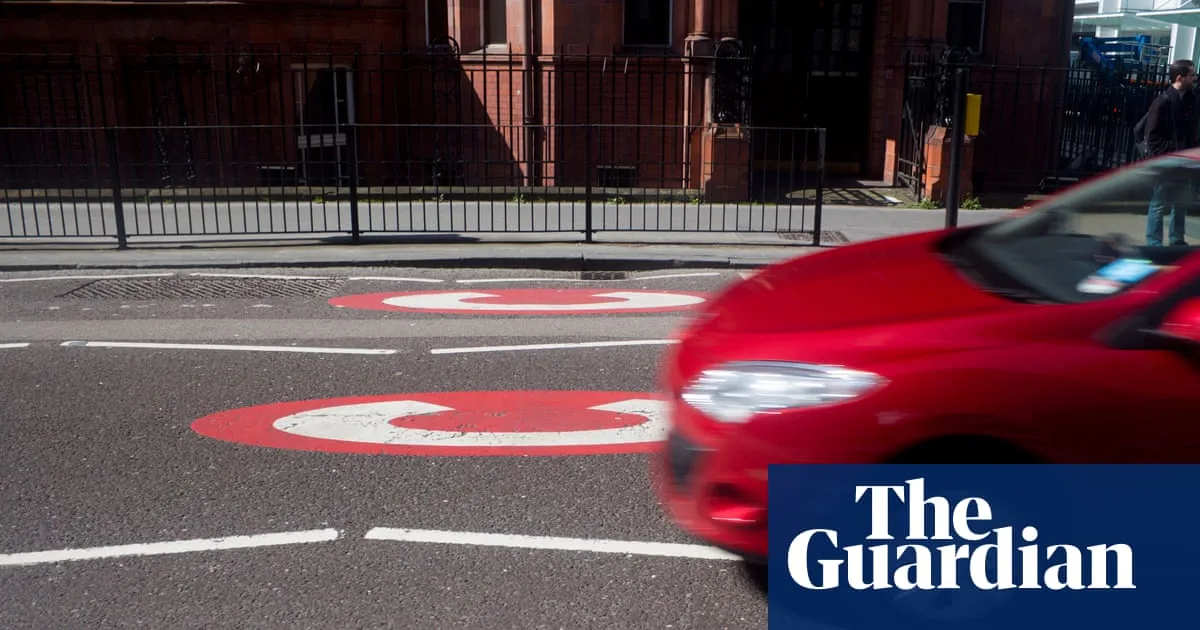
London's congestion charge will increase by 20% from £15 to £18 in January, and electric vehicle (EV) drivers will be required to pay the levy for the first time, according to Transport for London. EV owners will receive a 25% discount, paying £13.50 per day, while electric vans and HGVs will pay £9, half the full charge.
Mayor Sadiq Khan stated that without these changes, an additional 2,200 vehicles would enter the zone on an average weekday, making the scheme 'no longer fit for purpose.' The charge, introduced in 2003 to reduce traffic, now sees nearly 120,000 EVs registered to drive in the zone, six times more than in 2019 when the full discount for EVs was introduced.
Khan emphasised that substantial incentives remain for cleaner vehicles, including a 90% discount for zone residents, which will apply only to EV owners from March 2027, and full exemptions for EV car clubs. However, the changes have drawn criticism for discouraging green choices.
Labour's London assembly transport spokesperson, Elly Baker, said the move 'will make it harder for people to go green when they need a vehicle to do their jobs,' penalising minicab drivers who switched to EVs. AA president Edmund King urged Khan to reverse the decision, calling it 'a backward step' that would 'backfire on air quality.'
The congestion charge operates in central London from 7am to 6pm on weekdays and noon to 6pm on weekends and bank holidays. Separately, the ultra-low emissions zone (Ulez) covers all of Greater London, charging the oldest, most-polluting vehicles £12.50 per day for cars, though most cars are exempt. Speculation grows that EV drivers may face additional charges nationwide, with Chancellor Rachel Reeves reportedly considering a pay-per-mile scheme for EVs.