Valentine's Flower Imports Surge at Miami Airport Despite Tariffs and Rising Costs
While cupid's arrows may symbolise romance, the real engine behind millions of Valentine's Day bouquets is a bustling cargo warehouse at a major South Florida airport. Officials report that flower imports through Miami International Airport have increased significantly this season, even as tariffs and higher production costs push prices upward for consumers.
Massive Volume and Key Import Routes
According to U.S. Customs and Border Protection, agricultural specialists at Miami International Airport will process approximately 990 million stems of cut flowers in the lead-up to February 14th. An overwhelming 90% of all fresh cut flowers sold for Valentine's Day in the United States pass through Miami, with the remaining 10% handled by Los Angeles.
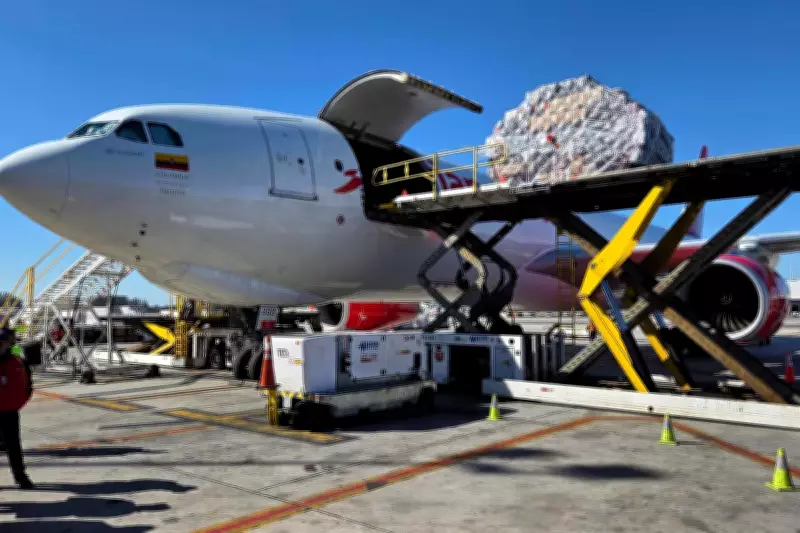
Hundreds of flights, primarily originating from Colombia and Ecuador, deliver roses, carnations, pompons, hydrangeas, chrysanthemums, and gypsophila to Miami. From there, the flowers are distributed to florists and supermarkets across the United States and Canada.

Leading Importer and Seasonal Surge
Avianca Cargo, based in Medellín, Colombia, stands as Miami's largest flower importer. In preparation for the Valentine's Day peak, the company is transporting roughly 19,000 tons of flowers via 320 dedicated cargo flights, as stated by CEO Diogo Elias. This represents more than double their usual flight volume.
"We fly flowers throughout the year, but Valentine's is special," Elias remarked. "The focus shifts heavily to roses, especially red roses. More than 50-60% of our shipments at this time are red roses."
Impact of Tariffs and Rising Costs
Shoppers will likely notice higher prices for floral arrangements this year. Christine Boldt, Executive Vice President for the Association of Floral Importers of America, attributes this largely to tariffs imposed last year on imports from Colombia and Ecuador, coupled with a new minimum wage enacted in Colombia this year.
"This adds significant dollars to the bouquets that are coming in," Boldt explained. "Every consumer is going to have to face additional costs."
Continued Importance and Growth
Despite these price pressures, flowers remain one of the airport's most substantial imports. Airport Director Ralph Cutié noted that MIA received almost 3.5 million tons of cargo last year, with flowers accounting for about 400,000 tons. Over a quarter of these flowers are shipped before Valentine's Day, marking a 6% increase compared to the previous year.
"The mother, the wife, the girlfriend in Omaha, Nebraska, that gets their flowers for either Valentine's or Mother's Day, chances are those flowers passed through our airport," Cutié said with pride. "And that's something we take a lot of pride in."
Rigorous Agricultural Inspections
Ensuring biosecurity is a critical part of the process. CBP agriculture specialists meticulously inspect flower bundles for potentially harmful plant pests and foreign animal diseases, according to CBP senior official Daniel Alonso. Inspectors discover an average of 40-50 plant pests daily, with moths being the most common. Any pests found are handed over to the U.S. Department of Agriculture for threat assessment.
"Our rigorous process is vital to safeguarding the floral and agricultural industries," Alonso stated. "It ensures that our imported flowers are not introducing any pests or harmful diseases into the country."