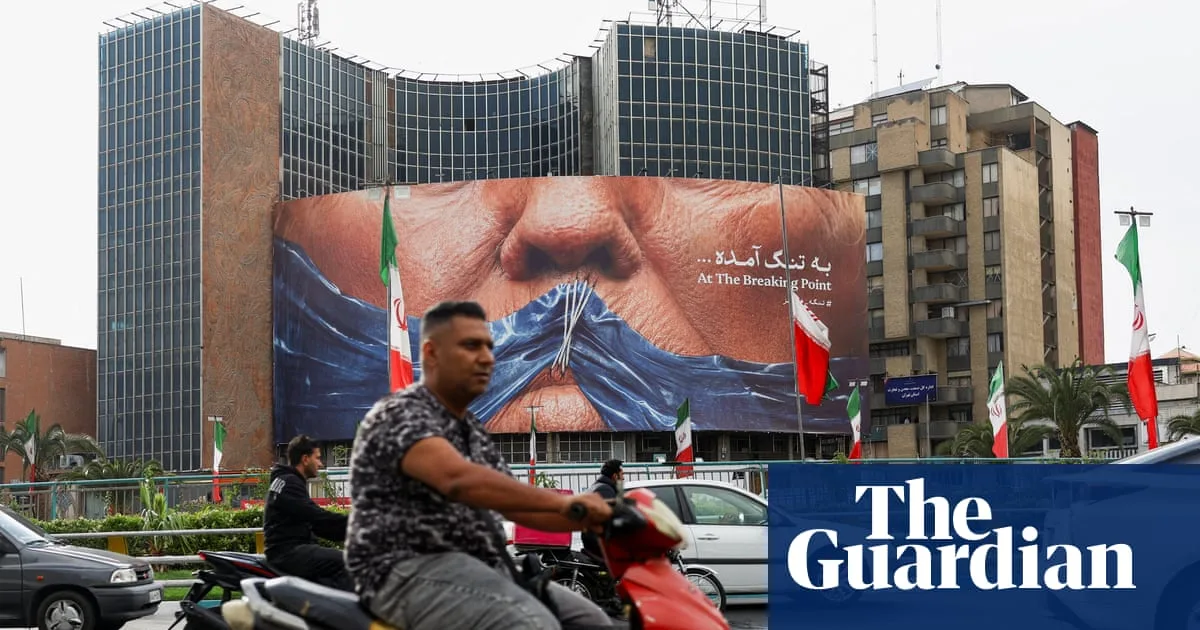
US and Iran Close to War-Ending Deal Within 48 Hours, Officials Say
US and Iran Close to War-Ending Deal in 48 Hours

The United States and Iran are on the verge of finalising a memorandum of understanding aimed at ending the war between them, with a deal potentially within 48 hours, according to two regional officials and a diplomat who spoke on Saturday. The development comes as Iran signals that differences are narrowing in ongoing negotiations, while the US weighs further military action.

Progress in Talks

Iran has indicated "narrowing differences" in talks with the US after Pakistan's army chief held further discussions in Tehran. US Secretary of State Marco Rubio told reporters in India that "there's been some progress made" and that "there may be news later today." The officials and diplomat, speaking under condition of anonymity, expressed optimism that a final decision on the Pakistan-drafted document could be reached within 48 hours as both sides examine it.

Key Players and Mediation

US Vice President JD Vance and envoys Steve Witkoff and Jared Kushner played pivotal roles in helping to close the remaining gaps. The Arab nation of Qatar also proved instrumental by dispatching a senior official to Tehran to bolster Pakistan's mediation efforts. US President Donald Trump spent Saturday at the White House, keeping a low profile and remaining largely quiet on social media.

Wide Pickt banner — collaborative shopping lists app for Telegram, phone mockup with grocery list

US and Iran Positions

Rubio reiterated the US position that Iran must never be permitted to possess a nuclear weapon, must surrender its highly enriched uranium, and that the Strait of Hormuz must remain open. Iran's Foreign Ministry spokesperson Esmail Baghaei described the draft as a "framework agreement" and added: "We want this to include the main issues required for ending the imposed war and other issues of essential importance to us. Then, over a reasonable time span, between 30 to 60 days, details are discussed and ultimately a final agreement is reached." He confirmed that the Strait of Hormuz is amongst the subjects under discussion.

Baghaei clarified that nuclear matters are not currently part of the ongoing negotiations, as Tehran is prioritising an end to the conflict before addressing its nuclear programme. "Our focus at this stage is on ending the war on all fronts, including Lebanon," he said, adding that lifting sanctions on Tehran "has explicitly been included in the text and remains our fixed position."

Military and Regional Context

Iran's parliament speaker Mohammad Bagher Qalibaf, who served as lead negotiator in historic face-to-face talks with the US last month, stated that Iran has rebuilt its military capabilities and warned that should Trump resume attacks, the consequences would be "more crushing and more bitter" than at the outset of the war. The US and Israel triggered the conflict with strikes on 28 February, abruptly ending nuclear talks with Iran. Tehran hit back by effectively sealing off the Strait of Hormuz, a vital route for the region's oil, natural gas and fertiliser, causing widespread economic damage across the globe.

The US subsequently blockaded Iranian ports. US Central Command confirmed on Saturday that American forces had turned away more than 100 commercial vessels and disabled four since the blockade began on 13 April. During his trip to Tehran, Pakistan's army chief also held meetings with Iranian Foreign Minister Abbas Araghchi, President Masoud Pezeshkian and other senior figures, according to the two officials, who added that Islamabad is pressing ahead with efforts to broker a second round of direct negotiations.

Pickt after-article banner — collaborative shopping lists app with family illustration




