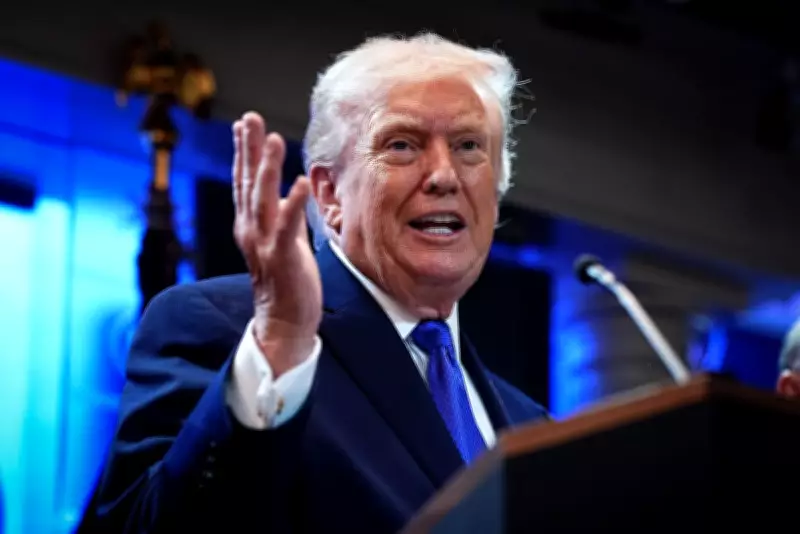
In a fiery press briefing at the White House on February 20, 2026, former US President Donald Trump launched a scathing attack on Supreme Court justices following a landmark ruling against his administration's trade policy. The court declared that Trump's use of emergency powers to implement international trade tariffs was unlawful, striking a blow to a central pillar of his economic agenda.
Trump's Outburst Against the Judiciary
Trump did not mince words, labelling the justices who blocked his tariffs as a "disgrace to the nation" and accusing them of being influenced by foreign interests. "I'm ashamed of certain members of the court. Absolutely ashamed for not having the courage to do what's right for our country," he stated, suggesting the decision was swayed by social and cultural pressures from a small political movement.
Praise for Dissenters, Derision for Appointees
While he praised the three dissenting justices – Brett Kavanaugh, Clarence Thomas, and Samuel Alito – Trump expressed particular disappointment with two of his own appointees, Amy Coney Barrett and Neil Gorsuch, who sided with the majority. He described them as "fools and lapdogs for the Rinos [Republicans in name only] and the radical left Democrats" and claimed they were "very unpatriotic and disloyal to our constitution." In a personal jab, Trump added they were "an embarrassment to their families" and barely invited to the upcoming State of the Union address.

Threat of New Tariffs and Legal Maneuvering
Undeterred by the court's decision, Trump announced immediate plans to sign an order increasing global tariffs by 10% under Section 122 of the Trade Act of 1974. He asserted his authority to impose additional tariffs through existing statutes like Section 232 of the Trade Expansion Act of 1962 and Section 301 of the Trade Act of 1974, which he said would remain "in place and in full force and effect." Trump also pledged to launch investigations into unfair trade practices to justify further tariffs, bypassing congressional approval.
"I wanted to be a good boy," Trump remarked, referring to his previous restraint in using the International Emergency Economic Powers Act for tariffs. When pressed for evidence of foreign influence over the Supreme Court, he cryptically replied, "You're going to find out." This ruling highlights ongoing tensions between executive power and judicial oversight in US trade policy, with Trump vowing to escalate his protectionist measures despite legal setbacks.