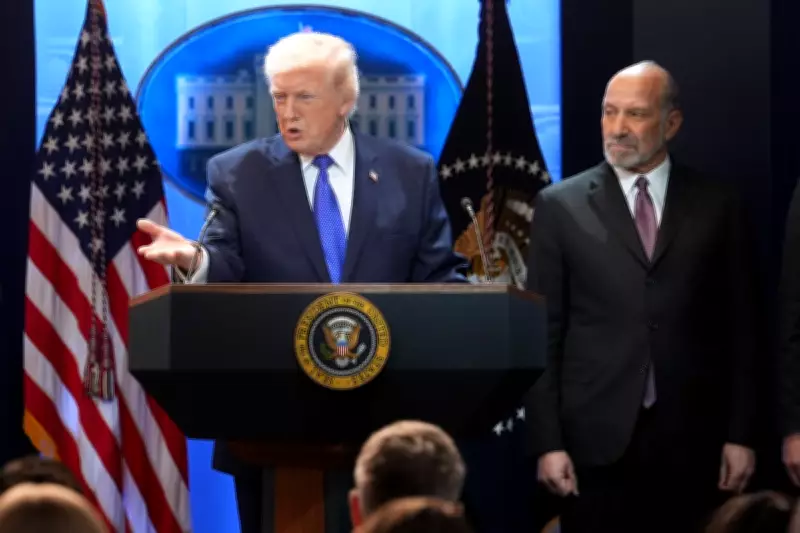
Trump Unveils New 10% Global Tariff in Response to Supreme Court Ruling
US President Donald Trump has announced his intention to impose a new 10% global tariff, a move that comes directly after the US Supreme Court struck down his previous reciprocal tariffs policy on Friday. This development represents a significant shift in the administration's economic strategy, with potential ramifications for international trade relations.
Supreme Court Overturns Reciprocal Tariffs in Major Blow
The Supreme Court's decision to overturn Mr Trump's reciprocal tariffs, which were initially implemented last April under emergency powers legislation, dealt a substantial setback to the president's economic agenda. These tariffs had been levied on a majority of nations worldwide, aiming to address perceived unfair trading practices.
Speaking from the White House, President Trump framed the court's ruling as an affirmation of his authority to impose even higher tariffs. He stated, "In order to protect our country, a president can actually charge more tariffs than I was charging in the past... period of a year." He further elaborated that the administration would leverage other statutory authorities, including Section 232 and Section 301 tariffs, which remain fully in effect.

Immediate Implementation of New Global Tariff
President Trump confirmed that he would sign an executive order to enact a 10% global tariff under Section 122, describing it as an additional levy "over and above our normal tariffs already being charged." This new tariff is set to take effect immediately, marking a swift response to the judicial reversal.
In addition to the tariff announcement, the administration revealed plans to initiate several Section 301 investigations and other probes. These actions are intended to safeguard the United States from what Mr Trump characterized as unfair trading practices by other countries and corporations, underscoring a continued focus on protectionist trade policies.
Implications for UK Trade and Preferential Deals
Across the Atlantic, UK ministers had previously expressed confidence that Britain's "privileged trading position with the US" would endure following the Supreme Court's decision. The UK had benefited from the lowest tariff rate of 10% under the reciprocal system, with subsequent negotiations between Sir Keir Starmer and President Trump securing further exemptions for Britain's steel industry and automotive manufacturers.
However, Friday's ruling introduces uncertainty regarding the status of these agreements. Officials are reportedly optimistic that most UK trade with America, including preferential arrangements for steel, cars, and pharmaceuticals, will remain unaffected. Nonetheless, the new global tariff policy raises questions about future trade dynamics and the stability of existing bilateral deals.
The imposition of this 10% global tariff signals a recalibration of US trade policy in the wake of judicial intervention, with President Trump asserting his executive powers to maintain a robust stance on international commerce. As the global economy watches closely, the long-term impacts on trade partnerships and market stability remain to be seen.