New figures have exposed a dramatic surge in the scrapping of popular car models like Ford, Volkswagen, and Vauxhall, driven by a severe "tax trap" that leaves owners facing annual charges approaching the total value of their vehicles. From April 2026, further increases in Vehicle Excise Duty (VED) will push some bills to nearly £800 per year, making it financially unviable to keep older cars on the road.
The 20-Year Tax Trap Explained
The issue centres on cars aged between 20 and 40 years old. While vehicles over 40 years qualify as "classics" and become tax-exempt, those in this intermediate bracket often have low market values—frequently under £1,500—yet face VED rates that can represent 25% to 50% of their worth. This disparity has led to a wave of scrappages, as owners opt to ditch their cars rather than pay exorbitant taxes.
Scrappage Rates Skyrocket for High-Emission Models
Data compiled by car sales and purchase company Car.co.uk highlights specific models experiencing staggering increases in scrappage. Cars emitting more than 225g of CO2 per kilometre are particularly hard hit, with VED bands set to rise in April 2026. For instance, the rate for emissions of 226-255g/km will increase from £735 to £760, while the over 255g/km band will jump from £750 to £790.
The analysis reveals sharp spikes in scrappage for models in VED bands L and M:
- Land Rover Freelander 2 i6: +550% between 2024 and 2025
- Subaru Forester 2.5 XT: +166.7%
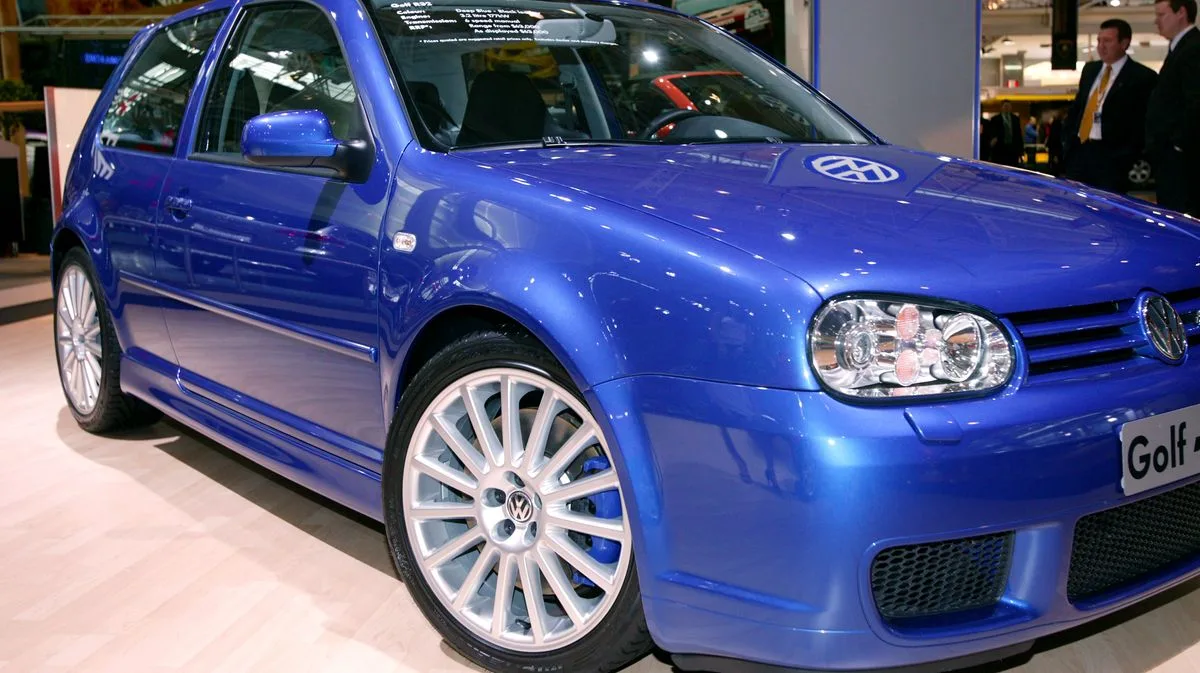
- Volkswagen Golf R32: +125%
- Vauxhall Zafira VXR: +50%
Recent Data Shows Accelerating Trend
Comparing the final quarter of 2025 with the first quarter of 2026, the trend intensifies as the April VED deadline approaches. Car.co.uk reports that scrap quotes for the VW Golf R32 have surged by 323.1%, with the Land Rover Freelander 2 i6 close behind at 233.3%. Other notable increases include the Ford Galaxy 2.3 at 130.8% and the Jaguar X-Type 2.0 Auto at 31.6%.
Expert Insights on the Affordability Crisis
William Fletcher MBE, CEO of Car.co.uk, commented on the situation, noting that many of these cars, from family staples like the Ford Galaxy to sportier models like the Volkswagen Golf R32, are now worth less than their annual tax bill. He emphasised that these models are taxed at rates comparable to luxury sports cars worth 100 times their value, creating a significant problem for households during the UK's affordability crisis.
"For many families trying to make ends meet, paying hundreds in road tax on an ageing vehicle is simply unviable," Fletcher said. "We expect scrappage rates to increase further in Q2 and Q3 as owners face the reality of new costs. Many won't realise the full impact until they receive their bill, at which point scrapping may be the only option."
Top Models Hit Hardest by VED Increases
The following popular models are among those facing the highest annual road tax rates, contributing to their rising scrappage rates:
- Audi TT 1.8T: £735
- Chrysler PT Cruiser: £735
- Ford Galaxy 2.3: £735
- Ford Mondeo V6: £735
- Jaguar X-Type 2.0-litre Auto: £735
- Land Rover Freelander 2 i6: £760
- Saab 900 Convertible: £735
- Subaru Forester 2.5 XT: £735
- Vauxhall Zafira VXR: £735
- Volkswagen Golf R32: £760
Environmental and Economic Implications
Interestingly, research suggests that keeping older vehicles on the road is often more environmentally friendly than scrapping them for new ones. Producing a medium-sized new car can generate over 17 tonnes of CO2—nearly equivalent to three years of gas and electricity use in a typical UK home. Experts like Mike Berners-Lee and Duncan Clark argue that extending a car's life to 200,000 miles from 100,000 can reduce per-mile emissions by up to 50%, making longevity a key factor in sustainability.
Government Response and Public Petition
A petition on the UK Parliament website has garnered nearly 50,000 signatures, calling for a 50% reduction in VED for vehicles aged 20 to 39 years. If it reaches 100,000 backers, it will trigger a Commons debate, potentially pressuring Chancellor Rachel Reeves to reconsider the policy. The Treasury has already responded, stating that there are no plans to reduce VED liabilities for this age group, as revenue from motoring taxes funds essential public services and infrastructure, such as pothole repairs.
The expected VED rates for 2026-2027 for vehicles registered between March 2001 and April 2017 show increases across multiple bands, with the highest emitters facing the steepest rises. This policy framework continues to drive the scrappage trend, highlighting the ongoing tension between tax revenue goals and vehicle affordability for UK motorists.






