President Donald Trump has suffered a significant legal setback after America's highest court declared his broad tariffs on US imports to be unlawful. The Supreme Court ruled that Trump exceeded his executive authority by invoking the International Emergency Economic Powers Act (IEEPA) to impose these taxes, a law intended solely for national emergencies. This decision marks Trump's first major defeat by the Supreme Court, following previous victories on issues like migrant deportations.
Global Impact and Immediate Fallout
Trump's 'liberation day' tariffs, announced in April 2025, sent shockwaves through the global economy, affecting countries worldwide, including close allies like the UK. Although a subsequent US-UK deal eased some trade barriers, many firms still faced increased costs. The court's ruling has prompted smaller US businesses to demand refunds for the extra expenses incurred on imported goods, though the legal focus was not on reimbursement.
Trump's Reaction and Future Plans
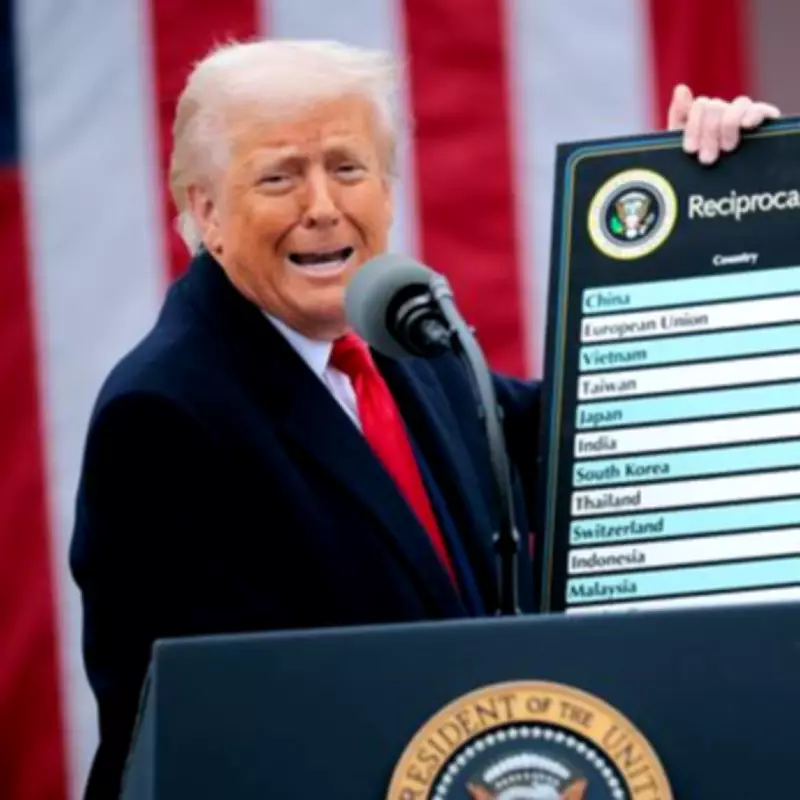
In a press conference, Trump labeled the Supreme Court ruling as "deeply disappointing" and warned that nations benefiting from the decision "won't be dancing in the streets for long." He announced plans to use alternative legal mechanisms to replace the rejected tariffs, claiming they could generate more revenue. Specifically, Trump vowed to impose an additional 10% levy within three days, leveraging another law to bypass the court's decision.

Uncertainty for UK and Global Exporters
The ruling introduces further uncertainty for companies, particularly UK exporters to the US. Trump was ambiguous about existing agreements, such as the UK deal, stating, "Some of them stand, many of them won't." Experts note that tariffs on key sectors like steel and automotives remain unaffected, meaning little immediate change for many businesses.
Expert Analysis and Business Concerns
William Bain, head of trade policy at the British Chambers of Commerce, commented, "While this decision gives clarity on the President's executive powers to raise tariffs, it does little to clear the murky waters for business." He emphasized the need for the UK government to continue negotiations to reduce tariffs, especially on steel and aluminium.
Thomas Pugh, UK chief economist at RSM, added, "Crucially, for the UK, the ruling doesn't impact the tariffs on steel and automotives. Therefore, it is far from clear whether the situation on the ground for exporters will change much in the near term."
The ongoing legal and policy shifts underscore the volatile nature of international trade under the current administration, with businesses bracing for potential new levies and continued market disruptions.