US Supreme Court Delivers Major Blow to Trump's Tariff Policy
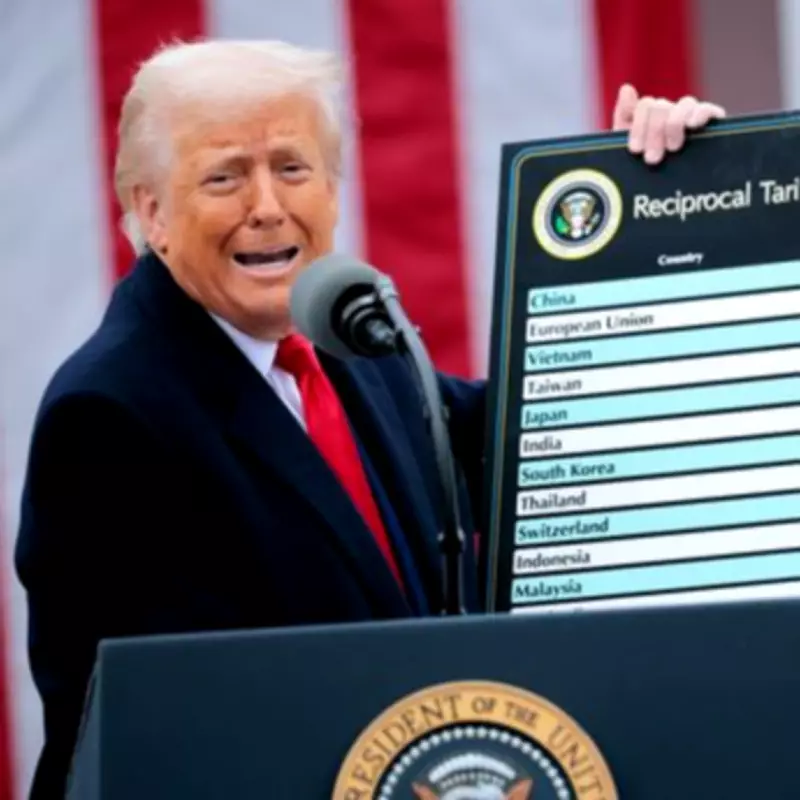
The US Supreme Court has issued a stinging rebuke to former President Donald Trump, ruling that his sweeping global tariffs were unlawful. In a decisive 6-3 decision, the court found that Trump lacked the authority to impose these tariffs under the International Emergency Economic Powers Act. This ruling represents a significant legal setback for Trump's economic agenda, which had heavily relied on tariffs as a tool to boost American manufacturing and create jobs.
UK Economists Celebrate Ruling as a Win for Trade Stability
Leading economists in the United Kingdom have hailed the Supreme Court's decision as "great news" for British businesses. Professor Ricardo Reis of the London School of Economics told The Mirror that the ruling provides much-needed stability for UK and EU exporters. "Being able to sell our goods to US markets is crucial for our prosperity," Reis stated. "Knowing that the US administration cannot arbitrarily impose new or higher taxes on our goods, as it did over the past year, gives businesses the confidence to plan and invest."
Reis emphasized that the decision would likely lead to lower prices for many goods in the United States, benefiting American consumers who have been grappling with a cost-of-living squeeze. However, he also cautioned that in the short term, the ruling could introduce uncertainty for businesses engaged in transatlantic trade. "How much they have to pay to ship something tomorrow is not entirely clear at this moment," he noted.

Trump's Tariff Strategy Faces Widespread Criticism
Donald Trump's tariff policy had drawn considerable criticism for bypassing Congressional authority and effectively acting as a tax on imported goods. The former president had imposed a blanket 10 percent tariff on goods from the United Kingdom, creating significant barriers for British companies seeking to expand into the lucrative US market. These tariffs forced many businesses to absorb increased costs, which were often passed on to consumers.
In response to the Supreme Court's ruling, Trump branded the decision a "disgrace" and claimed to have a backup plan, though details remain vague. There has been no official statement from the White House regarding the court's decision, and it is unclear what will happen to the billions of dollars already collected through these tariffs.
Political and Public Reaction to the Tariff Controversy
Public opinion in the United States has largely been against Trump's tariff approach. A recent Pew Research poll revealed that 60 percent of Americans disapprove of the tariffs, with 39 percent strongly disapproving. In contrast, only 37 percent expressed approval, and a mere 13 percent strongly approved. The divide is sharply partisan, with approximately seven in ten Republicans and Republican-leaning independents supporting the tariffs.
UK Foreign Secretary Yvette Cooper issued a brief statement acknowledging the ruling. "The UK enjoys the lowest reciprocal tariffs globally, and under any scenario we expect our privileged trading position with the US to continue," she said. "We will work with the administration to understand how the ruling will affect tariffs for the UK and the rest of the world."
The Supreme Court's decision marks a pivotal moment in international trade relations, offering relief to UK businesses while casting doubt on the future of protectionist policies in the United States.