

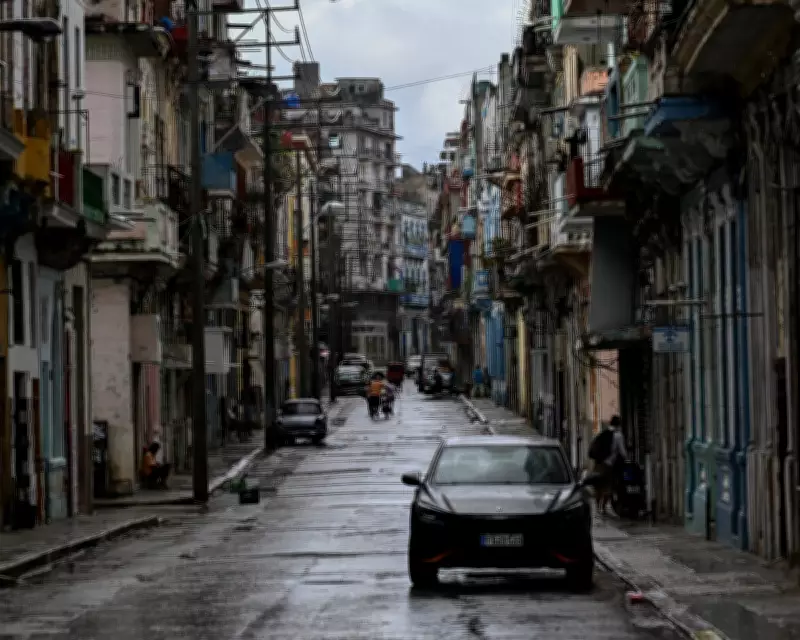
Cuba has been urgently working to restore electricity following a widespread nationwide blackout this week, as the country grapples with severe energy shortages exacerbated by a stringent US economic blockade. The crisis unfolds against a backdrop of heightened tensions, with former US President Donald Trump making provocative statements about taking control of the island nation.
Russian Oil Shipment En Route to Cuba
According to maritime tracking data from the analytics firm Kpler, a Russian oil tanker is currently sailing towards Cuba with a significant cargo of crude oil. The vessel, identified as the Anatoly Kolodkin, loaded 730,000 barrels of oil at the Russian port of Primorsk on March 8 and is expected to arrive at the Matanzas oil terminal in Cuba around March 23. This shipment represents a critical lifeline for Cuba, which has faced mounting pressure from US sanctions.
Trump's Threats and Escalating US Pressure
Donald Trump recently declared that he anticipates having "the honour of taking Cuba," asserting that he could do "anything I want" in the context of ongoing US negotiations with Havana. This rhetoric signals a sharp increase in US pressure on Cuba, a long-standing adversary. The US has intensified its efforts to isolate Cuba since the seizure of Venezuelan President Nicolás Maduro in January, with Trump cutting off Venezuelan oil shipments to the island and threatening tariffs on any country that sells oil to Cuba.

The Anatoly Kolodkin is subject to sanctions imposed by the United States, the European Union, and the United Kingdom against Russia, adding a layer of complexity to the geopolitical situation. Cuba has not received any oil imports since January 9, when Mexico delivered a shipment shortly after Maduro's ouster. However, Mexico has since faced pressure from Trump to cease such deliveries, further straining Cuba's energy resources.
Additional Tanker Movements and Maritime Data
In addition to the Russian tanker, another vessel, the Hong Kong-flagged Sea Horse, is also involved in the region's oil dynamics. Kpler data indicates that this tanker loaded nearly 200,000 barrels of diesel off Cyprus in late January and has been traversing the Atlantic Ocean since exiting the Mediterranean on February 13. Its journey has been marked by erratic course changes and slowdowns, with its latest position placing it in the northwestern Caribbean, approximately 1,500 kilometers from the Cuban coast.
Implications for Cuba's Energy and Political Landscape
The arrival of the Russian oil tanker could provide temporary relief for Cuba's crippling power crisis, but it also risks provoking further retaliation from the United States. The blackouts have highlighted the island's vulnerability to external economic pressures, with the US blockade severely limiting access to essential resources like oil. As Cuba scrambles to restore power, the situation underscores the broader challenges faced by the nation in navigating international sanctions and geopolitical tensions.
This development comes at a critical juncture, with Trump's threats amplifying uncertainties about Cuba's future. The interplay between energy shortages, maritime shipments, and diplomatic standoffs paints a complex picture of a country under duress, striving to maintain stability amid external pressures.






