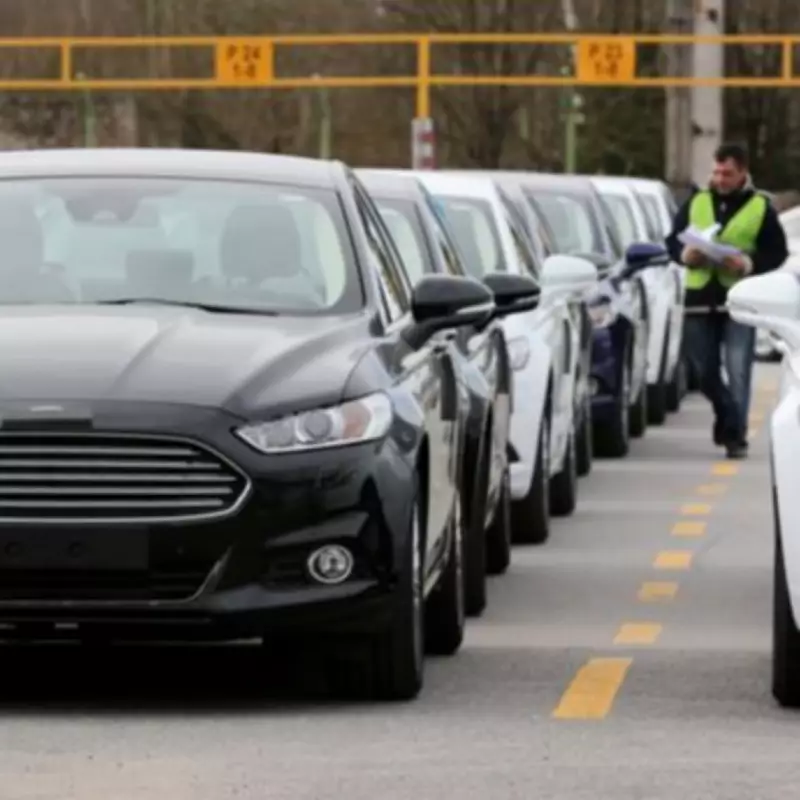
Government Under Pressure as Car Tax Trap Forces Thousands of Vehicles to Scrap
The Treasury faces mounting pressure to address what campaigners describe as a "tax trap" that is forcing thousands of functional vehicles off UK roads. A parliamentary petition calling for a 50% reduction in Vehicle Excise Duty for cars aged between 20 and 39 years has surged in support, compelling an official government response.
The £760 Tax Burden on Modern Classics
Motoring experts warn that hundreds of thousands of vehicles are being prematurely scrapped because owners cannot justify paying annual tax bills that often exceed the car's market value. The issue centers on vehicles manufactured between 1986 and 2006 that fall into high emissions bands but are too new to qualify for historic vehicle tax exemption.
Currently, vehicles over 40 years old are exempt from Vehicle Excise Duty on a rolling basis. From 1 April 2026, this will apply to any vehicle built before 1 January 1986. However, this leaves a significant gap for vehicles aged 20 to 39 years that face substantial tax burdens.

Rising Tax Rates and Their Impact
The current Vehicle Excise Duty structure imposes particularly heavy charges on higher-emission vehicles. Cars producing 201-225g/km of CO2 pay £430 annually, while those emitting 226-255g/km face £735 charges. The highest band for vehicles over 255g/km carries a £750 annual fee.
These rates are set to increase from April 2026, with the £735 band rising to £760 and the £750 band expected to reach £790. For many owners of older vehicles, these annual costs rival or exceed the actual value of their cars, making continued ownership economically unviable.
Petition Gains Momentum
The parliamentary petition, created by Heitor Mazzotti, has attracted nearly 20,000 signatures, triggering the requirement for a Treasury response. If support reaches 100,000 signatures, the matter will be debated in Parliament, putting direct pressure on Chancellor Rachel Reeves to address the issue.
The petition argues: "High taxes force functional vehicles to be scrapped, creating a 'disposable' culture. Keeping existing cars is greener than building new ones, as it preserves embedded carbon. This 'Young-Timer' bracket supports the circular economy and UK heritage."
Campaigners emphasize that manufacturing new vehicles generates substantial carbon emissions - estimated at over 17 tonnes of CO2e for a medium-sized car. Extending a vehicle's lifespan from 100,000 to 200,000 miles can reduce per-mile emissions by up to 50% by spreading manufacturing emissions across greater distance.
Affected Vehicles and Market Consequences
The tax burden affects not just luxury vehicles but numerous mainstream models that were popular family cars. Among those caught in the tax trap are:
- Ford Mondeo V6 - £735 annual tax
- Volkswagen Golf R32 - £760 annual tax
- Vauxhall Zafira VXR - £735 annual tax
- Saab 900 Convertible - £735 annual tax
- Land Rover Freelander 2 i6 - £760 annual tax
Wayne Lamport of Stone Cold Classics in Kent explained the market reality: "We have to be very careful when we buy stock which is 2006 or more recent. Cars such as a Jaguar X-Type are great, but who wants to pay more than £700 for the annual tax? It doesn't take many years of ownership to spend the value of the car."
The Environmental Argument
Environmental considerations form a central pillar of the campaign for tax reform. Research indicates that maintaining and repairing older vehicles often represents a more sustainable approach than manufacturing replacements. The embedded carbon in existing vehicles - the emissions generated during their production - represents a significant environmental investment that is wasted when functional cars are scrapped prematurely.
The petition specifically calls for a 50% "Transition to Historic" tax discount to encourage vehicle preservation, support heritage industries, and acknowledge the typically lower mileage of these "modern classic" vehicles.

Looking Forward
As the petition continues to gather support, the Treasury faces increasing pressure to reconsider Vehicle Excise Duty structures for vehicles aged 20-39 years. The coming weeks will determine whether the campaign gains sufficient momentum to force parliamentary debate and potential policy changes that could preserve thousands of vehicles from premature scrappage.
The situation highlights broader questions about balancing environmental objectives, heritage preservation, and fair taxation in the transition toward more sustainable transportation systems.